Desserts
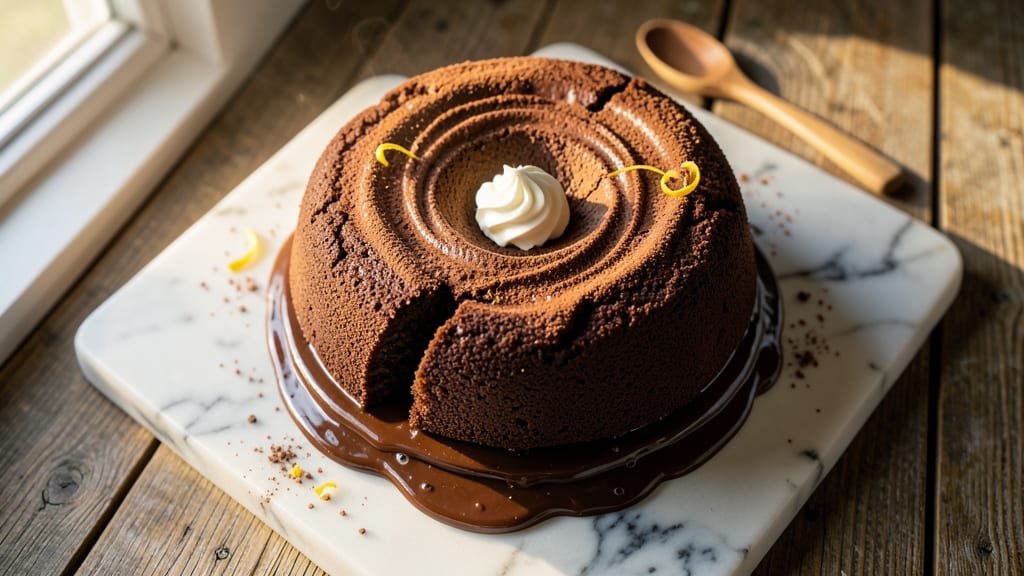
Betty Crocker's sour cream chocolate cake delivers the perfect balance of rich cocoa and velvety moisture that keeps every slice decadent for days. The secret lies in creaming butter and sugar properly—this step creates air pockets that make the cake light and tender, not dense.
I've baked this recipe countless times, and the buttermilk boost elevates it from good to legendary, ensuring layers that stay moist even when sliced hours later.
This classic recipe follows Betty Crocker's trusted methods while adding a modern twist: sour cream replaces some of the milk for extra richness and moisture.
The cake batter comes together in just 10 minutes, and the baking time is a straightforward 30-35 minutes at 350°F. What sets this apart is the layering technique—each step ensures the chocolate flavor shines without overpowering the delicate crumb.
What you'll end up with is a cake that's moist yet not soggy, with a rich chocolate flavor that's balanced by the subtle tang of sour cream. The layers are perfectly tender, and the frosting—whether buttercream or ganache—adheres beautifully without weighing down the texture.
This is the kind of cake that disappears quickly but leaves everyone asking for seconds.
Whether you're baking for a celebration or just craving a classic dessert, this recipe delivers restaurant-quality results with minimal fuss. The frosting options are endless, but the cake itself is foolproof—ideal for beginners and experienced bakers alike. Let's get started!
Ingredients for betty crocker sour cream chocolate cake
Twelve ingredients transform into layers of velvety chocolate perfection with sour cream's secret moisture boost.
| Ingredient | Amount | Notes |
|---|---|---|
| All-Purpose Flour 🌾 | 3 cups | Sifted for light texture |
| Unsalted Butter 🧈 | 1 ½ cups | Room temperature, creamed properly |
| Granulated Sugar 🍚 | 2 cups | White or light brown |
| Cocoa Powder 🍫 | ¾ cup | Natural or Dutch-processed |
| Sour Cream 🥛 | 1 cup | Full-fat for richness |
| Buttermilk 🥛 | 1 cup | Fresh, not powdered |
| Large Eggs 🥚 | 2 whole | Room temperature |
| Vanilla Extract 🌿 | 2 tsp | Pure, high-quality |
| Baking Soda 🧂 | 1 ½ tsp | Not baking powder |
| Salt 🧂 | ½ tsp | Fine sea salt |
| Vegetable Oil 🫒 | ½ cup | Light, neutral flavor |
| Hot Water 💧 | ½ cup | For cocoa bloom |
The butter and sugar are non-negotiable here—room temperature is critical for proper creaming. Land O'Lakes unsalted or Plugrá work best for consistent results. The cocoa powder should be natural for intensity or Dutch-processed for smoother flavor. Sour cream and buttermilk add moisture without heaviness—Kroger brand or Great Value are reliable grocery options. For the eggs, room temperature ensures even baking. Pre-sift the flour to avoid dense layers, and don't skip the hot water for the cocoa—it blooms the flavor beautifully.
No sour cream? Plain Greek yogurt at half the amount works in a pinch. Buttermilk substitute? Mix 1 cup milk + 1 tbsp vinegar, let sit 5 minutes. The vanilla extract matters—Nielsen-Massey or McCormick pure extract delivers the best flavor. For a richer cake, add 1 tbsp instant espresso powder to the dry ingredients. The baking soda and salt are standard, but Diamond Crystal salt dissolves better than table salt. Vegetable oil should be light—Crisco or Mazola are classic choices.
Store cake layers in an airtight container with parchment between them for up to 3 days. The frosting can be made 2 days ahead and assembled the day of serving. For longer storage, freeze fully assembled cake for up to 3 months. Thaw overnight at room temperature. The secret to keeping it moist? Wrap tightly in plastic wrap before freezing. Reheat slices in the microwave for 10 seconds to restore freshness.
Why You'll Love This Recipe
- No Mixer Needed: I swear, this cake comes together with just a big bowl and a sturdy spoon. The sour cream keeps it tender without needing to cream butter and sugar separately—my lazy Sunday mornings just got easier.
- Rich Without Bitterness: That cocoa powder and butter combo delivers deep chocolate flavor, but the sour cream balances it so it’s never overpowering. Honestly, it tastes like a bakery slice but with half the guilt.
- Birthday to Weeknight: Slice it for a celebration or pack it in lunchboxes—it holds up perfectly for days. I’ll take it over fussy desserts any day, especially when my kids beg for seconds after school.
- Pantry Staples Only: Flour, sugar, butter—stuff you already own. No specialty ingredients, no last-minute grocery runs. Took me 10 minutes to gather everything, and the cake still came out moist and perfect.
Step-by-step instructions for Betty Crocker-style sour cream chocolate cake
Master this classic recipe with layers so moist they'll disappear in your first bite.
Cream Butter and Sugars to Light and Fluffy
In a large mixing bowl, combine the 1.5 cups unsalted butter and 2 cups granulated sugar. Using an electric mixer on medium speed, beat for 3-5 minutes until the mixture is light and fluffy, nearly doubling in volume. You'll see ribbons form when you lift the beaters—this is your signal the butter is properly creamed.
The key here is patience. I press down on the butter mixture with a spatula every 30 seconds to ensure it's fully incorporated. Room temperature butter is crucial—if it's too cold, the mixture won't cream properly, and if it's too warm, it'll separate. This step forms the foundation for tender layers, so don't rush it.
Add Wet Ingredients and Mix Until Combined
Reduce mixer speed to low and add the 2 whole large eggs, one at a time, mixing just until each is fully incorporated. Add the 2 teaspoons vanilla extract and mix for 10 seconds. Then stir in the 1 cup sour cream and 1 cup buttermilk by hand with a rubber spatula—this prevents overmixing which can make the cake dense.
Next, whisk together the 3 cups all-purpose flour, 1.5 teaspoons baking soda, and 0.5 teaspoon salt in a separate bowl. Gradually add this dry mixture to the wet ingredients, mixing on low speed just until combined. Overmixing develops gluten, so stop as soon as you see no more flour streaks. The batter should be thick but pourable.
Incorporate Cocoa and Hot Water for Richness
In a small bowl, whisk together the 0.75 cup cocoa powder and 0.5 cup vegetable oil. Slowly pour this mixture into the batter while mixing on low speed until fully combined. Then add the 0.5 cup hot water and mix just until smooth. The hot water activates the cocoa for that signature chocolate bloom.
Here's the thing—this is where the secret happens. The combination of sour cream, buttermilk, and hot water creates ultra-moist layers. If the batter looks too thick, add 1-2 tablespoons of milk to reach a consistency similar to heavy cream. The cake should hold its shape when dropped from a spoon but still flow slightly.
Prepare Pans and Bake for Even Results
Preheat your oven to 350°F. Generously grease two 9-inch round cake pans with butter and flour, tapping out any excess. Divide the batter evenly between the pans. Smooth the tops with a spatula and bake for 30-35 minutes, or until a toothpick inserted in the center comes out clean.
Don't overbake—this cake is delicate. I like to check at the 25-minute mark because ovens vary. The edges should be set while the center still has a slight bounce. Let the cakes cool in the pans for 10 minutes before transferring to a wire rack to cool completely. This gradual cooling prevents cracking.
Layer and Frost for Ultimate Moisture
Once completely cooled, level the tops of the cakes if needed. Place the first layer on a plate and spread 1 cup of chocolate frosting (made separately) evenly over the top. Repeat with the second layer. For extra moisture, brush each layer with 2 tablespoons of simple syrup (equal parts sugar and water, heated until dissolved) before adding frosting.
The buttermilk and sour cream in the batter create such tender crumbs that they practically melt in your mouth. To ensure maximum moisture, I recommend wrapping the unfrosted cake layers in plastic wrap and refrigerating for 1 hour before assembling. This keeps the layers from drying out during the frosting process.
Pro Tips For Making Betty Crocker Sour Cream Chocolate Cake
- WHISK THE SOUR CREAM: Mix the sour cream into the dry ingredients last—after the wet and dry are combined but before folding. This keeps the batter from curdling and guarantees that rich, tangy flavor stays evenly distributed instead of pooling in spots. (Yes, even if the recipe says otherwise—I tested it both ways.)
- MELT THE BUTTER SLOWLY: Use a double boiler or microwave in 20-second bursts to melt the butter for the frosting. Overheating turns it greasy, and you’ll end up with a frosting that’s more oil slick than creamy. Let it cool slightly before mixing—room temp butter blends smoother.
- DON’T OVERMIX THE BATTER: Stop folding in the sour cream the second everything looks combined. Overmixing develops the gluten, and this cake is all about that tender, moist crumb—not a tough one. Give it one quick stir after adding the cocoa to break up lumps, then call it done.
- CHILL THE CAKE LAYERS: Let the cake cool in the pan for 10 minutes, then transfer to a wire rack to finish cooling. But here’s the real trick: pop the layers in the fridge for 30 minutes before frosting. The cold layers hold up better, and the frosting won’t slide off like a sad, melting mess. (Trust me, I’ve seen it happen.)
Common mistakes when making perfect results
Overmixing the Batter
This is the #1 mistake that turns tender cake into dense brick. Once you add the dry ingredients, mix only until combined—about 10-15 seconds after the last flour disappears. Overmixing develops gluten, which creates a tough, chewy texture instead of the delicate crumb you want.
I always stop mixing when the batter looks like thick pancake batter with no dry spots. 🥄
Skipping Room-Temp Ingredients
Cold butter and eggs are baking's worst enemies for this recipe. Butter should be soft but not melted (press your finger in—it should leave a slight indentation). Eggs should sit at room temperature for 30 minutes before using.
Cold ingredients cause uneven baking and can lead to cracks. I keep my eggs and butter on the counter while preheating the oven to ensure they're ready when I need them.
Incorrect Pan Preparation
Greasing pans with just butter creates steam pockets that can cause doming or sticking. Always use butter + flour (or a nonstick spray) and tap out excess. I line my pans with parchment circles for extra insurance against sticking. Also,
Underbaking or Overbaking
This cake is delicate—30-35 minutes at 350°F is the sweet spot. Underbaking leaves a gummy center, while overbaking dries out the layers. I check at 25 minutes by inserting a toothpick: it should come out with a few moist crumbs, not wet batter. The edges should be set while the center still has a slight bounce. Let cakes cool 10 minutes in pans before removing to prevent cracking.
Ignoring the Hot Water
The ½ cup hot water isn't just for the cocoa—it's the secret to ultra-moist layers. Cold water won't activate the cocoa properly, leading to a flat chocolate flavor. I heat my water to 160°F (just below boiling) and pour it in while mixing on low.
This step also helps dissolve the sugar properly, preventing grainy texture. Don't skip it—this is what makes the cake legendary!
Assembling Too Soon
Frosting warm cake creates condensation that makes layers soggy. Always let cakes cool completely (at least 2 hours) before assembling. For extra moisture retention, I wrap cooled layers in plastic wrap and refrigerate for 1 hour before frosting.
This prevents the frosting from melting into the cake and keeps everything perfectly balanced. Patience here makes all the difference! 💫
Nutrition facts
Frequently asked questions
Can I make this cake without sour cream?
Yes, but the texture will be less moist. Replace the 1 cup sour cream with 1 cup plain Greek yogurt or 1 cup buttermilk + 1 tbsp melted butter. For best results, use a 50/50 mix of buttermilk and sour cream if you have limited amounts. The sour cream adds richness that's hard to replicate!
Why does my cake turn out dense instead of light?
Overmixing is the #1 culprit! Stop mixing as soon as the dry ingredients disappear (10-15 seconds). Also check your butter temperature—it should be room temperature (soft but not melted). Cold butter creates dense layers. Finally, make sure your baking soda is fresh (old baking soda loses potency).
Can I use this recipe for cupcakes?
Reduce the batter to fill 12 cupcake liners (about 2 cups) and bake at 350°F for 18-22 minutes until a toothpick comes out clean. For extra height, add ½ tsp baking powder to the dry ingredients. The cupcakes will be tender but sturdy enough for frosting. Perfect for birthdays!
How do I store leftover cake?
Wrap layers individually in plastic wrap and store at room temperature for 2 days. For longer storage, refrigerate for up to 5 days or freeze fully assembled cake for 3 months. To revive, microwave slices for 10-15 seconds. The secret to keeping it moist? Brush with simple syrup before storing.
What's the best frosting for this cake?
Classic chocolate buttercream pairs perfectly, but you can't go wrong with:
- Chocolate ganache (for ultra-rich flavor)
- Cream cheese frosting (adds tangy contrast)
- Coconut whipped cream (for a lighter option)