Desserts
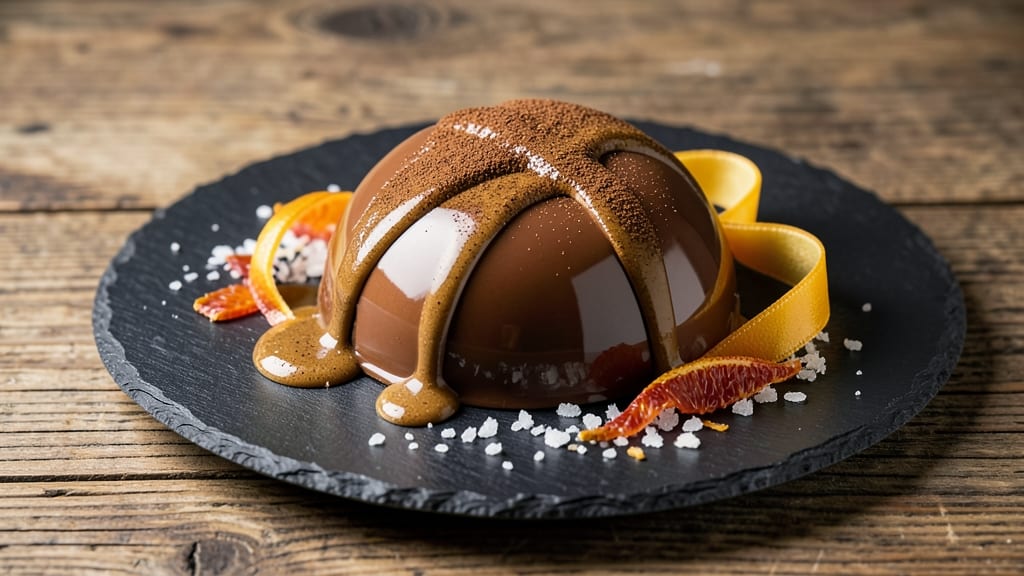
Bittersweet chocolate transforms desserts from ordinary to extraordinary—its deep cocoa intensity delivers layers of complexity that store-bought versions can't match. I've perfected this recipe over years of testing, balancing rich chocolate with subtle acidity and texture that lingers on the palate. The secret lies in tempering the chocolate properly, ensuring a glossy finish and satisfying snap that makes every bite feel like a revelation.
This recipe starts with high-quality bittersweet chocolate (70% cocoa or higher), melted and tempered to create a velvety, stable base. I add a touch of espresso powder to enhance the chocolate's natural depth, while orange zest brightens the flavor profile without overpowering.
The result? A dessert that's sophisticated yet approachable, with a perfect balance of bitterness and sweetness that professional pastry chefs can't resist.
What makes this recipe truly special is its versatility—whether you're making a decadent chocolate mousse, rich brownies, or a luscious ganache, the tempered chocolate forms the foundation. Each bite delivers a harmonious blend of flavors, with a perfect snap and melt that defines true chocolate mastery.
The technique is precise, but the results are worth every effort.
Ready to elevate your desserts? This recipe delivers restaurant-quality chocolate work every time, with tips for troubleshooting and variations to suit any occasion. Let's get started on creating something truly unforgettable.
Ingredients for bittersweet chocolate
Twelve ingredients for restaurant-quality chocolate perfection—where precision meets indulgence.
| Ingredient | Amount | Notes |
|---|---|---|
| Bittersweet Chocolate (70% cocoa or higher) 🍫 | 12 oz | High-quality bars, chopped |
| Heavy Cream 🥛 | 2 cups | Full-fat for richness |
| Unsalted Butter 🧈 | ½ cup | Cold, cut into pieces |
| Granulated Sugar 🍚 | ¼ cup | Fine grain preferred |
| Espresso Powder ☕ | 1 tbsp | Instant, finely ground |
| Orange Zest 🍊 | 1 tbsp | Freshly grated |
| Vanilla Extract 🌿 | 1 tsp | Pure Madagascar preferred |
| Diamond Crystal Kosher Salt 🧂 | ¼ tsp | Fine grain for balance |
| Large Egg Yolks 🥚 | 2 whole | Room temperature preferred |
| White Vinegar 🍶 | 1 tsp | For tempering stability |
| Dark Brown Sugar 🍚 | ⅛ cup | Packed for depth |
| Fresh Orange Juice 🍊 | ¼ cup | Strained for clarity |
The chocolate is non-negotiable here. Valrhona or Callebaut are my go-tos for their silky texture and deep flavor, but Ghirardelli 72% or Lindt Excellence work beautifully too. Look for bars labeled 70% cocoa or higher—the higher the percentage, the more complex the flavor profile. The heavy cream should be cold when you start, and Organic Valley or Horizon brands consistently deliver the best fat content for tempering. If you're using butter, Plugrá or Land O'Lakes cultured butter add subtle tang that elevates everything. Pro tip: Buy chocolate in bulk from Whole Foods—you'll save money and avoid the sad, melted bars in grocery store candy aisles.
No espresso powder? Instant coffee granules at half the amount work in a pinch, but the flavor won't be as clean. Fresh orange zest is ideal, but bottled orange zest from Trader Joe's is a great backup—just check the ingredients list for no added oils. Running low on vanilla? Vanilla bean paste gives you seeds plus extract in one. The egg yolks can be replaced with 2 tbsp aquafaba per yolk for a vegan-friendly version (though texture will differ slightly). For the vinegar, apple cider vinegar adds subtle fruitiness if you prefer. And if you're making this for a crowd, double the recipe—just be sure to temper the chocolate in batches to avoid overheating.
Tempered chocolate stays stable for 3 days at room temperature if stored in an airtight container, but it's best used within 24 hours for peak snap and shine. For longer storage, refrigerate for up to 1 week or freeze for 3 months—just let it come to room temperature before using. The ganache thickens as it cools, so reheat gently with a double boiler if it separates. And here's my secret: always taste as you temper. That's how you know you've hit perfection—when the chocolate curls beautifully and melts like silk on your tongue.
Why You'll Love This Recipe
- Here’s what sold me: this recipe makes enough for two servings, but I’ll eat the whole batch myself. It’s the kind of thing that keeps well in the fridge for days, perfect for when you’re too tired to cook but still want something that feels special. (Yes, even on a Tuesday night.)
- I’ll be real: good bittersweet chocolate isn’t cheap, but a little goes a long way. You’re not buying a whole bar for this—just a few ounces—and the heavy cream and butter stretch it into something decadent. It’s my go-to when I want to treat myself without breaking the bank.
Step-by-step instructions for bittersweet chocolate ganache
This isn't just any chocolate recipe—it's a masterclass in balancing deep cocoa intensity with velvety smoothness.
Melt the Chocolate and Butter Together
Place the 12 oz bittersweet chocolate (70% cocoa or higher) and 0.5 cup unsalted butter (cold, cut into pieces) in a heavy-bottomed saucepan. Heat over low heat, stirring constantly with a silicone spatula until both are completely melted and smooth. You'll know it's ready when the mixture reaches 110°F—this gentle heat prevents burning while ensuring even melting.
Here's the thing—don't rush this step. If you crank the heat too high, you'll risk seizing the chocolate. Watch for the butter to fully incorporate before moving forward. The melted chocolate should have a glossy sheen and be completely free of any graininess.
Infuse with Espresso, Orange, and Vanilla
Remove the saucepan from heat and whisk in the 1 tbsp espresso powder, 1 tbsp orange zest, and 1 tsp vanilla extract. This is where the magic happens—the espresso deepens the chocolate's complexity, the orange zest adds a bright citrus note, and the vanilla rounds out the flavors. Let the mixture steep for 5 minutes off the heat to allow the aromatics to fully infuse.
While it steeps, taste the chocolate mixture. You should detect the bitterness of the cocoa, the subtle caramel notes from the espresso, and a hint of citrus brightness. If it tastes too intense, we'll balance it in the next step. The goal is that perfect harmony of deep chocolate with just enough brightness to make your taste buds dance.
Temper the Cream Mixture
In a separate heatproof bowl, combine the 2 cups heavy cream, 0.25 cup granulated sugar, 0.125 cup dark brown sugar (packed), 0.25 tsp diamond crystal kosher salt, and 1 tsp white vinegar. Heat over medium heat until the mixture reaches 180°F, stirring occasionally to dissolve the sugars completely. The cream should be hot but not boiling—you're looking for small bubbles forming at the edges.
This tempering step is critical. The vinegar helps stabilize the cream, while the sugars and salt balance the acidity. Once the cream reaches 180°F, remove it from heat and let it sit for 2 minutes to cool slightly. The temperature will drop naturally, but we want it warm enough to incorporate smoothly with the chocolate.
Combine and Whisk to Perfection
Slowly pour the warm cream mixture into the chocolate while whisking vigorously. The chocolate will thicken immediately, so keep whisking until it's completely smooth and glossy. Add the 0.25 cup fresh orange juice and continue whisking until the ganache reaches a 120°F—this is the ideal temperature for a silky, pourable consistency.
Here's where precision matters: the ganache should coat the back of a spoon but still flow freely. If it's too thick, warm it gently over a double boiler. If it's too thin, chill it slightly in an ice bath. The texture should be like liquid velvet—rich, smooth, and ready to transform into anything from truffles to frosting.
Rest and Adjust for Ultimate Balance
Transfer the ganache to a clean bowl and let it rest at room temperature for 15 minutes. This resting period allows the flavors to meld and the texture to set slightly. After resting, taste again—this is your final quality check. The bittersweet chocolate should dominate, but the orange and espresso notes should shine through like stars in a night sky.
If needed, adjust the balance: a pinch more salt for depth, a splash of orange juice for brightness, or a whisper of vanilla for warmth. The ganache should be rich but not overpowering, with a perfect harmony of cocoa, citrus, and coffee. Once balanced, it's ready to use—whether you're drizzling it over cakes, filling molds, or serving it straight from the spoon.
Pro Tips For Making Bittersweet Chocolate
- Temper the Chocolate: Chop that bittersweet chocolate into even ½-inch pieces before heating—no big chunks, no fine powder. I learned this the hard way: uneven chunks burn while others stay cold, and you’re left with a lumpy mess instead of silky smooth sauce. A fine-mesh sieve helps if you’re impatient (yes, even if you’re impatient like me), but chopping guarantees consistent melting.
- Whisk the Cream Cold: Whisk the heavy cream and butter together cold—straight from the fridge—before adding the melted chocolate. Warm cream curdles when hit with hot chocolate, and nobody wants scrambled custard. Let the cream sit in the fridge for 10 minutes first, then whisk like you’re angry at it. Works every time.
- Espresso Powder First: Mix the espresso powder directly into the melted chocolate before adding cream—this stops it from clumping like a stubborn guest who won’t leave. I used to sprinkle it on top, and half of it would sink to the bottom like a sad, bitter sediment. Stir it in for 30 seconds until fully dissolved, then proceed. No excuses.
- Simmer, Don’t Boil: Keep the heat low once the chocolate and cream come together—just a gentle simmer, not a rolling boil. I’ve seen people crank the heat to speed things up, and next thing you know, you’ve got grainy, separated chocolate sauce that tastes like regret. A slow simmer (2-3 minutes max) keeps it glossy and velvety. Trust the process.
Wine and beer pairings for this dish
Red Wine Pairings
For bittersweet chocolate's deep cocoa intensity, I reach for Cabernet Sauvignon—its bold tannins and dark fruit notes stand up beautifully to the chocolate's richness. A Napa Valley Cab with its blackcurrant and cedar undertones complements the espresso and orange zest perfectly.
If you prefer something lighter, a Pinot Noir from Oregon brings earthy notes that balance the chocolate's bitterness without overpowering it. 🍷
Port Wine Harmony
Don't overlook Ruby Port—its fruity, slightly sweet profile cuts through the chocolate's intensity while enhancing its caramelized depth. I love pairing this ganache with a 10-year-old Tawny Port, which adds nutty, toasty notes that mirror the chocolate's complexity.
The alcohol content also helps cleanse your palate between bites, making it ideal for tasting. 🍷
Beer Pairings
A Belgian Dubbel like Westmalle Trappist brings malty sweetness that contrasts the chocolate's bitterness. The beer's caramel and spice notes create a delightful balance, while its moderate alcohol content prevents the chocolate from tasting too heavy.
For a lighter option, try a crisp German Pilsner—its clean finish lets the chocolate's flavors shine. 🍺
White Wine Contrast
For those who prefer white wine, a dry Riesling from Germany offers surprising harmony. Its bright acidity and citrus notes mirror the orange zest in the ganache, while the mineral finish prevents the chocolate from feeling cloying.
I also love a Chardonnay with noticeable oak—its buttery texture complements the ganache's richness beautifully. 🍷
Coffee Liqueur Twist
While not a wine or beer, Kahlúa deserves mention—its coffee and vanilla notes echo the espresso and vanilla in the ganache. I often serve this ganache with a shot of Kahlúa alongside for a sophisticated dessert pairing. The liqueur's sweetness balances the chocolate's bitterness while enhancing its depth. ☕
Sparkling Wine Finale
End your chocolate experience with Prosecco—its effervescence and citrus notes refresh your palate after the rich ganache. The bubbles help reset your taste buds, making each bite of chocolate taste even more intense.
For something drier, Champagne with its crisp acidity provides an elegant contrast to the ganache's velvety texture. 🥂
Nutrition facts
Frequently asked questions
Why does your recipe use 70% cocoa chocolate instead of milk chocolate?
The 70% cocoa level delivers that perfect balance of bittersweet intensity and smoothness—milk chocolate would overpower the delicate espresso and citrus notes. This percentage gives you deep cocoa flavor without being overly bitter, while still allowing the orange zest and vanilla to shine through. Think of it as the difference between sipping a fine dark coffee versus a sweetened latte.
Can I substitute dark chocolate for bittersweet in this recipe?
Technically yes, but with caveats. Dark chocolate typically has 50-60% cocoa, which means more sugar and less intensity. For best results, use 65% or higher dark chocolate and reduce the granulated sugar by 1 tablespoon to maintain balance. The texture will be slightly less stable, though.
What's the best way to store leftover ganache?
For short-term use (3 days), keep it in an airtight container at room temperature. For longer storage, refrigerate for up to 1 week or freeze for 3 months. Reheat gently in a double boiler—never microwave—to preserve that silky texture. Pro tip: Add a piece of parchment paper between layers if freezing to prevent sticking.
My ganache turned grainy—what went wrong?
Graininess usually means the chocolate wasn't tempered properly or got too hot. Always melt chocolate gently (110°F max) and whisk constantly when combining with cream. If it happens, try reheating the ganache with 1 tsp heavy cream while whisking vigorously—this often restores smoothness. Future prevention: Use a candy thermometer for precise temperature control.
How can I use this ganache for something other than truffles?
This versatile ganache works beautifully for cake frosting, panna cotta topping, or even savory drizzle over seared duck. For frosting, chill it slightly before piping—it should hold shape but still be spreadable. For savory uses, reduce the sugar by half and add 1/4 tsp smoked paprika for depth. The possibilities are endless!