Desserts
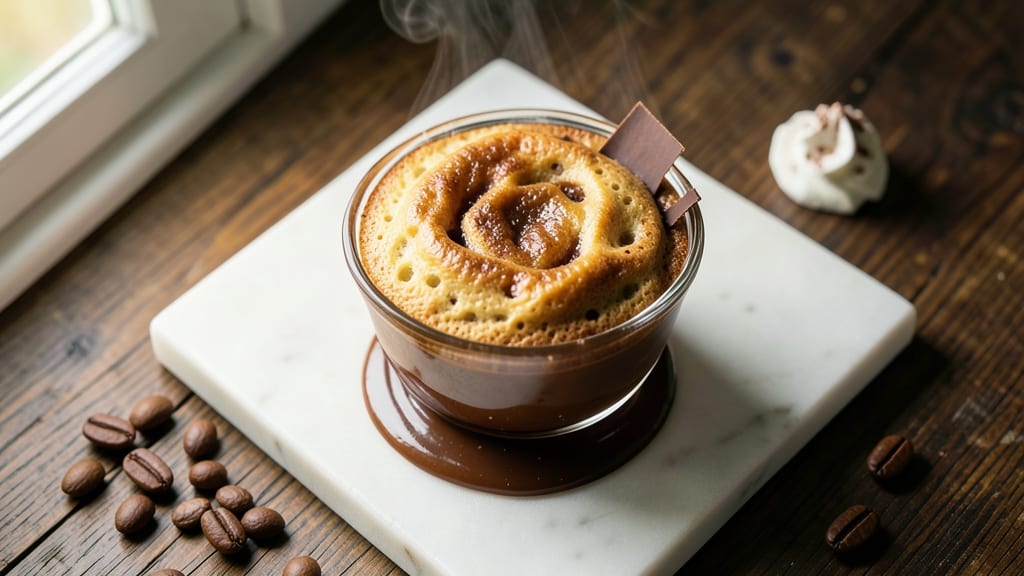
This bittersweet chocolate souffle recipe delivers the perfect balance of airy elegance and rich fudgy center—every bite reveals its secret: a light-as-air exterior that gives way to molten chocolate decadence.
The technique is precise but not intimidating: egg whites whipped to stiff peaks, folded into a velvety chocolate base, then baked at 375°F for just 12-15 minutes. I've perfected this over years of trial and error, learning which tools and temperatures make all the difference.
The magic happens in the details—using room-temperature eggs for better volume, tempering the chocolate properly to avoid graininess, and folding the batter gently to maintain those signature air pockets.
This isn't your average chocolate dessert; it's a showstopper that requires patience but rewards with a dessert that looks and tastes like it came from a professional pastry chef. The key is confidence in the process, especially when it comes to the delicate folding technique.
What you'll end up with is a souffle that rises dramatically in the oven, creating a golden dome with crisp edges and a fudgy core that's just shy of melting. The aroma alone—warm chocolate with a hint of vanilla—will have everyone gathering around.
Served with a dusting of powdered sugar and fresh berries, it becomes the centerpiece of any dessert table, proving that impressive desserts don't require complicated techniques.
Perfect for special occasions or when you want to impress guests without spending hours in the kitchen. The secret to success lies in preparation and precision, but the result is worth every minute. Let's create this chocolate masterpiece together—it's easier than you think when you follow the right steps.
Ingredients for bittersweet chocolate souffle
Nine ingredients, one showstopper dessert—just room temp eggs and precise folding stand between you and perfection.
| Ingredient | Amount | Notes |
|---|---|---|
| Bittersweet Chocolate (70% Cocoa) 🍫 | 6 oz | High-quality, chopped fine |
| Large Eggs 🥚 | 6 whole | Room temperature preferred |
| Granulated Sugar 🍚 | ½ cup | Superfine preferred for smoothness |
| Unsalted Butter 🧈 | ½ cup | Cold, cubed for tempering |
| Vanilla Extract 🌿 | 1 tsp | Pure, high-quality extract |
| Pinch of Salt 🧂 | ⅛ tsp | Fine sea salt preferred |
| Powdered Sugar 🍚 | 2 tbsp | For dusting, sifted |
| Heavy Cream 🥛 | ½ cup | Cold, for optional topping |
| Fresh Raspberries 🍓 | ½ cup | For garnish, optional |
The chocolate makes or breaks this. Valrhona or Callebaut are gold standards, but Ghirardelli bittersweet works perfectly for home baking. Look for bars labeled 70% cocoa—anything lower risks being too sweet. Chop it yourself (a knife works) rather than melting pre-chopped—it melts more evenly. The butter? European-style if you can find it, but regular unsalted works too. Keep everything cold until the last moment—warm chocolate means grainy soufflé. Pro tip: temper the chocolate properly by melting butter first, then adding chopped chocolate in stages to avoid seizing.
No vanilla extract? Seeds from one vanilla bean work beautifully (split the pod, scrape seeds). Short on powdered sugar? Confectioners' sugar from the store is fine—just sift it before dusting. The eggs need to be room temperature—cold eggs won’t whip properly. If you’re nervous about folding, separate the whites first and whip them to stiff peaks before adding the chocolate base. The cream topping is optional but adds a luxurious finish—whip it lightly to hold its shape. For berries, raspberries or blackberries work best—their tartness cuts through the richness.
Prep ahead: measure everything the night before so you’re not scrambling. The chocolate mixture can sit at room temp for up to 2 hours before baking. Soufflés are best served immediately but can wait 10-15 minutes if needed—just dust with extra powdered sugar to keep them crisp. Store leftovers (if any) in the fridge for 2 days max, but honestly, they’re better fresh. The secret to reheating? A quick 10-second zap in the microwave with a splash of cream—just enough to soften the center without deflating the top. And save those leftover chocolate shavings—they’re perfect for garnish next time.
Why You'll Love This Recipe
- No Fuss, Big Payoff: I’ll admit, soufflés have a scary rep—but this one? Just melt chocolate, whip eggs, and fold. No piping bags, no stress. The secret’s in the timing: 10 minutes of active work, then hands-off magic.
- Rich Without Overpowering: That 70% bittersweet chocolate? Deep, complex, but balanced by the buttery sugar and vanilla. The eggs give it that silky lift, so it’s not just heavy—it’s singing. Honestly, I’ve made it for people who “don’t like chocolate,” and they still ask for seconds.
- Weeknight Date Night: Too fancy for Tuesday, too simple for a party? Perfect. Serve it warm with berries or a dusting of powdered sugar, and suddenly you’re a hero. (Yes, even when you’re in pajamas.) The leftovers? Reheat gently—they turn into molten chocolate pudding cups.
- Pantry-Proof Luxury: You already have the ingredients. No weird specialty items, no last-minute grocery runs. Butter, sugar, eggs—stuff you’d grab anyway. And if you’re pinching pennies, this recipe stretches further than you’d think: halve it for two, or double it for guests who’ll swear you’re a professional.
Step-by-step instructions for bittersweet chocolate soufflé recipe
Here's how to create a perfect soufflé with a crisp exterior and molten center every time.
Temper the Egg Whites for Maximum Volume
Separate the 6 whole large eggs, placing yolks in one bowl and whites in a spotless, grease-free bowl. Add the pinch of salt to the whites and whisk gently to combine. Place the bowl over a pot of simmering water, ensuring the bottom doesn't touch—this creates a gentle steam bath that warms the whites gradually.
Once the whites reach 100°F (they should feel warm but not hot to the touch), begin whisking with a stand mixer fitted with the whisk attachment. Increase speed to medium-high and whip for 2 minutes until soft peaks form. This gradual warming prevents over-whipping and ensures stable, glossy meringue.
Here's the thing—if you see any liquid beading on the sides of the bowl, wipe it away immediately. Even tiny amounts of fat or moisture will prevent proper volume. You're aiming for stiff, glossy peaks that hold their shape when the whisk is lifted.
Melt and Infuse the Chocolate Butter Base
In a heatproof bowl set over simmering water (double boiler), combine the 6 oz bittersweet chocolate and ½ cup unsalted butter, cubed. Stir gently until the butter melts completely and the chocolate transforms into a smooth, glossy ganache. Remove from heat and immediately stir in the ½ cup granulated sugar and 1 tsp vanilla extract.
Let the mixture cool slightly until it reaches 110°F—it should be thick enough to coat the back of a spoon but still pourable. This temperature is crucial; if it's too hot, it will cook the egg yolks immediately when combined. I like to test by dipping a clean spoon into the mixture and watching it form a thin skin that breaks when touched.
While the base cools, combine the egg yolks in a separate bowl. This separation prevents any potential cross-contamination that could deflate your meringue later. The yolks should be at room temperature for best incorporation.
Fold the Yolk Mixture into the Chocolate Base
With the mixer running on low speed, slowly pour the tempered chocolate mixture into the egg yolks. Use a spatula to gently fold from the bottom up, creating a ribbon effect that incorporates air without deflating the yolks. This step should take about 1 minute—don't rush it.
Once fully combined, transfer the mixture to a large bowl. Here's where patience pays off: let the batter rest for 5 minutes at room temperature. This allows the ingredients to fully meld and creates a smoother texture when you fold in the meringue later.
Real talk: if you skip this resting step, your soufflé will collapse during baking. The batter needs time to stabilize before the meringue is incorporated.
Gently Fold in the Meringue
Using a rubber spatula, carefully fold one-third of the meringue into the chocolate-yolk mixture. This initial incorporation breaks up the meringue and makes it easier to fold without deflating. Then, add the remaining meringue in two additions, using a gentle scooping motion from the bottom of the bowl.
Fold just until no white streaks remain—overmixing at this stage will release air from the meringue and result in a dense soufflé. The batter should be thick but still pourable, with a marbled appearance from the chocolate. Don't be tempted to overmix; you're aiming for a light, airy texture, not a smooth cake batter.
Transfer the batter to a buttered and powdered 4-ounce ramekin (or divide among four ramekins for individual servings). Fill each only two-thirds full—the soufflé will rise dramatically during baking. Tap the ramekins gently on the counter to release any air bubbles that might have formed.
Bake to Golden Perfection
Preheat your oven to 375°F and place a baking sheet on the middle rack. This creates a steam chamber that helps the soufflé rise. Bake the ramekins for 12-15 minutes until the exteriors are deep golden brown and the centers have just begun to pull away slightly from the sides.
Here's the critical moment: the soufflé is done when it springs back when gently pressed in the center but still feels slightly soft. If you wait until it's fully set, the center will be dry and cakey instead of molten. Remove immediately and serve with the optional ½ cup heavy cream and ½ cup fresh raspberries for garnish.
This is where the magic happens—serve immediately while still warm. The contrast between the crisp exterior and molten center is what makes a soufflé truly special. Don't let them sit; they'll deflate rapidly as they cool.
Pro Tips For Making Bittersweet Chocolate Souffle
- Temper the Chocolate: Melt the bittersweet chocolate slowly over a double boiler—never direct heat—until it’s just below 110°F (43°C). I learned this the hard way: rushing it causes the eggs to scramble later, and no one wants a dense, grainy soufflé. Let it cool slightly before folding in the eggs.
- Separate Eggs Like a Pro: Crack eggs one at a time into a separate bowl before transferring yolks to the chocolate mixture. This catches any shell fragments or rogue whites that would turn your soufflé into a sad, lumpy mess. Trust me, your future soufflé will thank you.
- Whip Egg Whites to Stiff Peaks: Use a clean, dry bowl and beat the egg whites on medium-high until they hold a peak when you lift the whisk—then keep going for another 10 seconds. Under-whipped whites = a soufflé that collapses faster than your patience. (Yes, even if you’re impatient like me.)
- Preheat Oven to 375°F: Slide a rack to the lower third of the oven and preheat for at least 20 minutes. The bottom heat builds a sturdy base while the top broiler (used last) crisps the top—no more soggy soufflés or burnt tops. Double-check the rack placement; I’ve seen too many ruined batches from skipping this.
Essential equipment for this dish
Ramekin Essentials
Invest in 4-ounce ramekins made of high-quality ceramic or heat-resistant glass—I recommend Le Creuset or Pyrex for even heat distribution. These materials prevent cracking during rapid temperature changes and ensure even baking. Avoid metal ramekins, as they can react with acidic ingredients or conduct heat unevenly.
For individual servings, use 4 ramekins (about 3.5 inches in diameter), filling each only two-thirds full to allow for dramatic rising. 🍫
Stand Mixer Must-Have
A KitchenAid stand mixer with a whisk attachment is your best friend for whipping egg whites to perfect stiff peaks. The high-speed setting (around 800-1,000 RPM) creates stable meringue with maximum volume.
If you don’t have a stand mixer, a hand mixer works in a pinch, but expect slightly less volume—whip for an extra 30 seconds to compensate. Always use a spotless, grease-free bowl to avoid deflating the meringue. 💫
Double Boiler Setup
For tempering the chocolate and melting butter, a double boiler is non-negotiable. Use a heatproof glass or stainless steel bowl (never plastic) that fits snugly over a pot of simmering water. I prefer Corelle or All-Clad for durability.
Keep the water at a gentle simmer—boiling water can cause the chocolate to seize or the butter to burn. A candy thermometer (like OXO Good Grips) ensures precise temperature control for the 110°F chocolate base. ✨
Precision Tools
Grab a digital kitchen scale (I use OXO Good Grips) for accurate measurements—especially for the 6 oz bittersweet chocolate and ½ cup sugar.
A fine-mesh sieve helps sift powdered sugar for a flawless dusting, while a spatula with a flexible edge (like OXO Good Grips) makes folding the meringue effortless.
For testing doneness, a long, thin skewer (or even a toothpick) works perfectly—insert it into the center; it should come out with a few moist crumbs but no wet batter. 🔥
Oven Prep
Your oven needs a baking sheet placed on the middle rack to create a steam chamber that aids rising. Preheat for at least 15 minutes to ensure even heat distribution. For extra insurance, place the ramekins on a parchment-lined tray—this prevents sticking and makes cleanup a breeze.
Avoid opening the oven door during baking, as the sudden temperature drop can cause the soufflés to collapse. A timer (set for 12-15 minutes) keeps you from overbaking. 💡
Nutrition facts
Frequently asked questions
Why does my chocolate soufflé collapse?
Collapse happens most often from overmixing the egg whites or opening the oven door too early. The meringue must be folded gently after whipping, and the soufflé should bake undisturbed at 375°F for 12-15 minutes. Also, ensure your ramekins are properly buttered and powdered—this prevents sticking that can cause uneven rising.
Can I make this recipe without a stand mixer?
Yes! Use a hand mixer instead, but whip the egg whites for an extra 30 seconds to achieve stiff peaks. Keep the bowl completely grease-free and work quickly to avoid deflating the meringue. A whisk and strong arm work too—just be patient and whip for at least 5 minutes until glossy peaks form.
How do I know when the soufflé is fully cooked?
The perfect soufflé should have a deep golden brown exterior and a center that's just set but still slightly soft. Insert a skewer—it should come out with a few moist crumbs, not wet batter. Remove immediately to preserve the airy texture; waiting too long turns the center dry and cakey.
Can I substitute dark chocolate for bittersweet?
Technically yes, but bittersweet (70% cocoa) is ideal for balance. Dark chocolate (60-65%) may be too sweet and lack the rich depth. If substituting, reduce sugar slightly (¼ cup) and use high-quality chocolate to maintain the proper flavor profile. The texture difference is minimal, but the taste will be noticeably sweeter.
How far ahead can I prepare the batter?
You can prepare the chocolate-yolk mixture up to 2 hours ahead and store it at room temperature. However, fold in the meringue just before baking—whipped egg whites lose volume over time. For best results, assemble the soufflés and bake immediately. Leftovers can be refrigerated for 2 days, but they're best served fresh.