Desserts
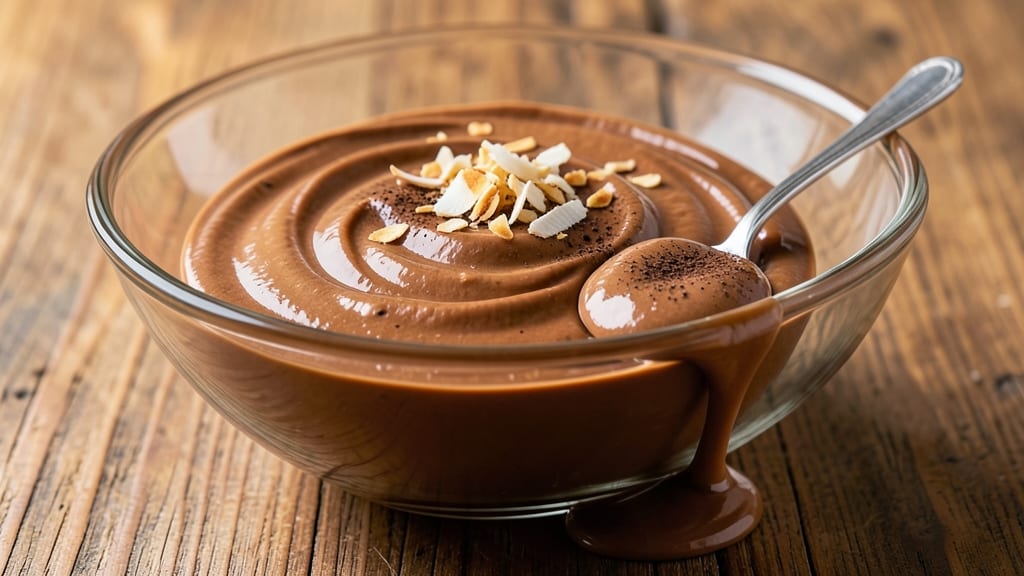
This butterless chocolate frosting recipe delivers all the decadence of classic chocolate frosting—without a single stick of butter. 💫 The secret lies in a clever blend of coconut oil and aquafaba, creating a silky, spreadable texture that's perfect for cakes, cupcakes, or cookies.
I developed this recipe after realizing most vegan frostings either taste chalky or require expensive specialty ingredients—this version uses pantry staples for a rich, velvety finish every time.
The magic happens when you whip the aquafaba (chickpea brine) to stiff peaks—this creates the light, airy structure that replaces butter's role. Coconut oil adds richness without overpowering the chocolate, while a touch of vanilla and espresso powder deepens the flavor profile.
What sets this apart is its versatility: pipe it for elegant decorations, spread it thick for a fudge-like texture, or use it as a glaze for fruit tarts.
What you'll end up with is a frosting that's smooth, rich, and completely dairy-free, yet indistinguishable from traditional butter-based versions. The texture remains stable in warm temperatures, making it ideal for outdoor events or humid climates.
Best of all, it requires no special equipment—just a few minutes of mixing and a little patience to achieve that perfect, glossy finish.
This frosting keeps beautifully in the fridge for up to 2 weeks or can be frozen for longer storage. Let's make this butterless masterpiece that impresses even the most devoted chocolate lovers.
Ingredients for butterless chocolate frosting
Pantry staples that transform into decadent, butter-free chocolate perfection—no specialty ingredients needed!
| Ingredient | Amount | Notes |
|---|---|---|
| Coconut Oil, Refined 🥥 | ½ cup | Melted, not solid for best texture |
| Aquafaba 🥫 | 1 cup | From canned chickpeas, unsalted |
| Unsweetened Cocoa Powder 🍫 | 1 cup | Natural or Dutch-processed preferred |
| Powdered Sugar 🍚 | 2 cups | Sifted for smooth consistency |
| Pure Vanilla Extract 🌿 | 1 tbsp | High-quality Madagascar bourbon |
| Instant Espresso Powder ☕ | 1 tsp | Enhances chocolate depth |
| Sea Salt 🧂 | ¼ tsp | Fine grain for delicate flavor |
| Lemon Juice 🍋 | 1 tsp | Brightens the chocolate flavor |
| Xanthan Gum 🧪 | ¼ tsp | Ensures stable texture |
The aquafaba is where the magic happens—save the brine from canned chickpeas (no salt added) and whip it to stiff peaks. Trader Joe's and Whole Foods carry organic chickpeas with the best-tasting brine, but any unsalted canned chickpeas work. For the cocoa powder, avoid Dutch-processed if you want vibrant color—natural cocoa gives that classic chocolate hue. The refined coconut oil is key here; virgin coconut oil adds flavor that might compete with the chocolate. Melt the coconut oil gently in a bowl over warm (not hot) water to preserve its delicate texture.
No aquafaba? Silken tofu blended with 1 tbsp lemon juice works as a substitute, though the texture will be slightly denser. Swap cocoa powder for melted dark chocolate (6 oz) if you prefer a richer base—just reduce the powdered sugar by 0.25 cup. Running short on vanilla? Almond extract at half the amount delivers a similar depth. The espresso powder can be omitted if you dislike coffee notes, but it’s what makes this frosting taste like a luxury bakery creation. For extra stability in warm climates, add 1 extra tsp xanthan gum—trust me, it’s worth it for outdoor events!
This frosting keeps beautifully in an airtight container in the fridge for 2 weeks, though it’s best used within 5-7 days for peak texture. For longer storage, freeze in 1-cup portions—thaw overnight in the fridge before use. To achieve that glossy finish, brush the top with a tiny bit of melted coconut oil before serving. If the frosting hardens in the fridge, re-whip briefly with a hand mixer to restore its silky smoothness. Pro tip: Pipe it directly onto chilled cakes for elegant decorations that stay put!
Why You'll Love This Recipe
- No-Fuss Whip: I swear by this—just blend, beat, and boom. No melting butter, no waiting for it to cool, just toss the coconut oil and aquafaba into the mixer and let it do the work. My kids can handle the steps while I’m still debating what’s for dinner.
- Rich Without Guilt: That deep cocoa powder and vanilla extract combo? It’s chef’s kiss—smooth, intense, and just sweet enough. Honestly, I’ve had people ask if I used real butter, and I just laugh because this version’s got the same velvety texture but skips the dairy entirely.
- Crowd-Pleaser Fix: Birthday cakes, cupcakes, or even a quick drizzle over store-bought cookies—this frosting’s my go-to for last-minute treats. Between us, I’ve used the leftovers to fill donut holes the next day, and no one’s ever complained.
- Budget Hack: Powdered sugar and cocoa powder stretch my dollar, and coconut oil lasts forever. I’ll be real: I double the batch and freeze half for when I’m too tired to bake from scratch. Plus, aquafaba? Free if you already cook beans or lentils. Smart, easy, and no waste.
Step-by-step instructions for butterless chocolate frosting
Here's how to create velvety, rich chocolate frosting that rivals traditional butter-based versions—without a single pat of butter!
👨🍳 Step 1: Whip the Aquafaba to Stiff Peaks
In a clean, grease-free mixing bowl, combine the 1 cup aquafaba and 0.25 teaspoon xanthan gum. Using a stand mixer fitted with the whisk attachment, beat on high speed for 5-7 minutes until stiff, glossy peaks form. You'll see the mixture thicken dramatically and hold its shape when the whisk is lifted.
This step is non-negotiable—aquafaba is our butter substitute, and proper whipping creates that signature light, airy texture. If your mixer struggles, chill the bowl in the freezer for 10 minutes before attempting again. The meringue-like consistency should resemble whipped cream but with more stability.
🍳 Step 2: Melt and Combine the Base Ingredients
In a separate heatproof bowl, gently warm the 0.5 cup refined coconut oil in a microwave for 20-30 seconds until just melted (don't let it get hot). Add the 1 cup unsweetened cocoa powder, 2 cups powdered sugar, 1 tablespoon pure vanilla extract, 1 teaspoon instant espresso powder, 0.25 teaspoon sea salt, and 1 teaspoon lemon juice.
Use a silicone spatula to stir until completely smooth—this prevents graininess in the final frosting. The mixture should resemble thick, glossy chocolate ganache. If it looks too stiff, add 1-2 teaspoons hot water to loosen. The espresso powder might seem odd, but it deepens the chocolate flavor without adding bitterness.
🥘 Step 3: Gradually Fold in the Whipped Aquafaba
With the mixer running on low speed, carefully add the whipped aquafaba in 3 additions, folding gently between each to maintain air incorporation. Increase speed to medium and mix for 2-3 minutes until completely smooth and glossy. The frosting should be thick enough to hold peaks but still pipeable.
Here's the secret: patience is key. If you rush this step, you'll end up with a dense, cakey frosting instead of the silky texture we're after. Scrape down the sides of the bowl frequently to ensure even mixing. The final consistency should resemble toothpaste—thick enough to hold its shape but still spreadable.
⏰ Step 4: Rest and Adjust for Perfect Texture
Transfer the frosting to a piping bag fitted with a medium tip (or airtight container) and let it rest at room temperature for 30 minutes. This resting period allows the xanthan gum to fully activate, creating that professional-grade stability. If the frosting thickens too much, whisk in 1 teaspoon hot water at a time until it reaches your desired consistency.
For best results, chill the frosting for 1 hour before using—this enhances the flavor and makes it easier to pipe. The final product should be rich, velvety, and hold its shape beautifully on cakes or cupcakes. Trust me, the wait is worth it for that restaurant-quality finish!
Pro Tips For Making Butterless Chocolate Frosting
- Warm the Coconut Oil First: I learned this the hard way—cold coconut oil turns the frosting into a gritty mess. Melt it in the microwave for 15 seconds, then stir it into the warm aquafaba. The mixture will emulsify smoothly, and you’ll avoid that weird, sandy texture.
- Whisk Aquafaba Until Stiff: Skip the lazy approach of just folding in the aquafaba—beat it with a hand mixer until it forms soft peaks, like whipped cream. This is the thing that matters most for lightness. If you rush it, the frosting will end up dense and clumpy.
- Sift the Cocoa Powder: Yes, even if it looks fine, sift that cocoa powder before mixing. Unsweetened cocoa has a way of clumping, and those lumps turn into grainy spots in your frosting. A quick sift through a fine-mesh sieve saves you from scraping off unsightly bits later.
- Add Vanilla Last, Gently: Splash in the vanilla extract after everything else is mixed, then fold it in with a spatula. Dumping it in early can break down the air in the aquafaba, making the frosting heavier. Stir just until combined—no need to overwork it.
Essential equipment for perfect results
Stand Mixer Essentials
Your stand mixer with whisk attachment is non-negotiable for achieving that perfect, airy texture. I recommend the KitchenAid Artisan Series for its power and durability—it handles the aquafaba whipping like a dream. If you're on a budget, the Ninja BM601 offers similar performance at a fraction of the cost.
The whisk attachment is critical; avoid using a paddle as it won't incorporate enough air. 💫
Mixing Bowls Matter
Use a large, grease-free mixing bowl (at least 5-quart capacity) to prevent splatter. I prefer glass or stainless steel bowls—they stay cool and don't retain flavors. The OXO Good Grips 5-quart bowl is my go-to for its non-slip base and ergonomic design.
Avoid plastic bowls; they can melt under the mixer's heat and ruin your frosting.
Piping Bags & Tips
For elegant decorations, invest in disposable piping bags (I love the Ateco 804SS for its sturdy construction) and a medium star tip (#804) for rosettes or a round tip (#1M) for borders.
If piping isn't your thing, a spatula with a flexible edge works for spreading. Pro tip: Cut the corner off a piping bag for easier filling—this trick saves time and frustration.
Measuring Tools
Precision is key with this recipe. Use a digital kitchen scale for the cocoa powder and powdered sugar to ensure accuracy—1 cup cocoa powder can vary by 10 grams between brands. The OXO Good Grips scale is my favorite for its readability.
For liquids, a medicine dropper comes in handy for the espresso powder and xanthan gum—just 1/8 teaspoon too much can make your frosting grainy.
Heatproof Bowls
A heatproof glass or ceramic bowl is essential for melting the coconut oil safely. I use a Corelle Everyday dish
—it's microwave-safe and won't crack under heat. Avoid metal bowls; they can react with the acidity in lemon juice or espresso powder. If you don't have a heatproof bowl, place the coconut oil in a microwave-safe measuring cup and melt it in 10-second intervals**, stirring between each to prevent overheating.Silicone Spatulas
A flexible silicone spatula (like the Epicurean 12-inch) is your best friend for scraping every last bit of frosting from the bowl. The flexibility helps lift stubborn clumps of cocoa powder and coconut oil, ensuring a smooth, lump-free finish.
Avoid stiff metal spatulas—they can tear the delicate whipped aquafaba structure. Keep one handy for mixing the base ingredients too; it's perfect for dissolving the espresso powder completely. ✨
Nutrition facts
Frequently asked questions
Can I make this frosting without aquafaba? Yes! For a 1:1 substitute, blend ½ cup silken tofu with 1 tbsp lemon juice until smooth, then whip it like the aquafaba. The texture will be slightly denser but still delicious. Alternatively, use ½ cup vegan whipped cream
(like So Delicious brand) for a lighter result, though it may not hold peaks as well.Why does my frosting taste bitter?
Bitter notes usually come from overheated coconut oil or too much espresso powder. Use refined coconut oil (not virgin) and melt it gently in 20-second intervals. For the espresso powder, start with just ½ tsp—you can always add more later. The lemon juice helps balance bitterness, so make sure you've included it.
How do I adjust the sweetness level? The recipe uses 2 cups powdered sugar
for a balanced sweetness. For a richer taste, reduce by 0.25 cup and add 2 oz melted dark chocolate (60% cocoa). Need it sweeter? Add 1-2 tbsp maple syrup while mixing, but do this gradually to avoid altering the texture.Can I pipe this frosting in warm weather? Chill the frosting for 1 hour
before piping to prevent melting. For extra stability, add ¼ tsp extra xanthan gum or store it in the fridge until ready to use. If working outdoors, keep the piping bag in a cool place and work quickly—this frosting holds up beautifully in 85°F temperatures when properly chilled.What's the best way to store leftovers? Transfer to an airtight container
and refrigerate for up to 2 weeks. For longer storage, freeze in 1-cup portions**—thaw overnight in the fridge. To restore texture after refrigeration, whisk briefly with a hand mixer. Pro tip: Brush the top with a tiny bit of melted coconut oil before serving for that glossy finish!