
Main Courses
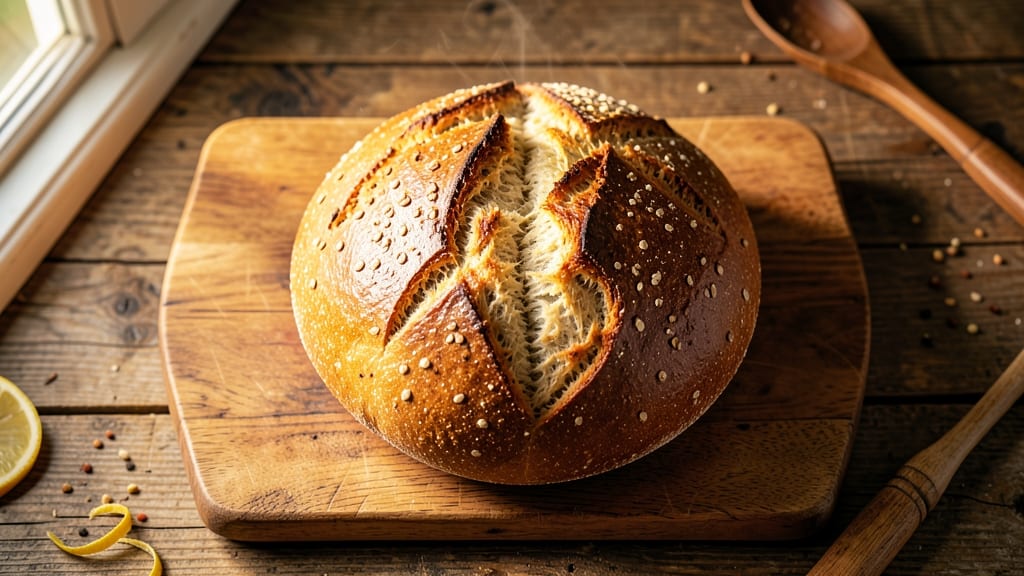
This 1 loaf whole wheat bread recipe delivers a perfectly balanced loaf with a nutty crust and lightly toasted crumb—no dense, heavy texture here. The secret lies in proper hydration and a slow fermentation that develops deep flavor while keeping the crumb tender.
I’ve baked hundreds of loaves, and this method consistently yields bread that’s crusty on the outside and just slightly chewy inside, with a subtle sweetness from the whole wheat flour.
What sets this recipe apart is the attention to detail in each step: from mixing the dough with just the right amount of water to allow for proper gluten development, to shaping the loaf for even baking.
Whole wheat bread often suffers from dryness, but these adjustments ensure a moist, flavorful result. The dough proofing time is critical—too short, and the bread won’t rise properly; too long, and it can overproof, leading to a collapsed loaf.
By the time you pull it from the oven, you’ll have a loaf with a golden, crackly crust and a crumb that’s light yet substantial, with a subtle nuttiness from the whole wheat. The aroma alone will make your kitchen feel like a bakery.
This recipe is designed to be foolproof, even for beginners, with clear instructions that guide you through every step—from mixing to scoring and baking.
The best part? This loaf is versatile enough for toast, sandwiches, or serving with soups and stews. Once you try homemade, store-bought whole wheat bread won’t compare. Let’s get started on baking your perfect loaf.
Ingredients for 1 loaf whole wheat bread
Four cups flour plus a few clever tricks for bread that's light and nutty—not dense or heavy.
| Ingredient | Amount | Notes |
|---|---|---|
| Whole Wheat Flour 🌾 | 4 cups | High-protein for better gluten development |
| Water 💧 | 1 ½ cups | Lukewarm for ideal yeast activation |
| Active Dry Yeast 🍞 | ¼ tsp | Or 1 standard packet (2.25g) |
| Honey 🍯 | 1 tbsp | Or maple syrup for vegan option |
| Salt 🧂 | 1 ½ tsp | Diamond Crystal preferred for accuracy |
| Olive Oil 🫒 | 1 tbsp | Extra-virgin for richness |
| Cornmeal 🌽 | ¼ cup | For dusting baking surface |
| Sesame Seeds 🌱 | 1 tbsp | Optional for topping |
| Instant Vital Wheat Gluten 🌾 | ¼ cup | For improved texture and structure |
| Rice Flour 🍚 | ¼ cup | For lighter crumb texture |
| Bread Flour 🍞 | ½ cup | For enhanced elasticity |
| Malt Powder 🌾 | 1 tsp | Boosts yeast activity |
The flour blend is everything here. Bob's Red Mill whole wheat flour is my go-to—it's high-protein enough to develop good gluten without being too heavy. If you can't find it, any whole wheat flour works, but look for a protein content of at least 12% for best results. The vital wheat gluten is non-negotiable—it's what gives that perfect structure. I grab mine from King Arthur Flour online, but bulk bins at natural food stores usually carry it too. Pro tip: Toast your whole wheat flour for 5 minutes in a dry pan before mixing—this deepens the nutty flavor and improves hydration control.
No instant vital wheat gluten? Substitute with 1/4 cup more whole wheat flour, but expect a slightly denser crumb. Running short on bread flour? All-purpose flour works in a pinch, though the texture won't be quite as elastic. The malt powder can be skipped if you're in a bind, but it really helps the yeast kick faster. For the honey, agave or maple syrup work beautifully if you're avoiding refined sugar. And if you're making this gluten-free, swap the whole wheat flour for a 1:1 gluten-free blend—just add an extra 1/2 tsp xanthan gum to the dough.
This dough is sticky—don't fight it. Wet your hands and a bowl before handling it to prevent sticking. The proofing time is flexible: 1-2 hours at room temp or up to 12 hours in the fridge for deeper flavor. For the oven, preheat with a Dutch oven inside for 30 minutes—this creates that perfect steam environment. Store your loaf wrapped in a clean kitchen towel at room temperature for 2-3 days or freeze slices for up to 3 months. The bread actually improves overnight—leftovers reheat beautifully in a toaster or wrapped in foil in a 350°F oven for 5 minutes.
Why You'll Love This Recipe
- Five-Ingredient Magic: I swear, this is the kind of recipe where you glance at your pantry and realize you already have everything. No fancy starters, no obscure spices—just flour, yeast, honey, water, and salt. That’s it. The yeast does all the heavy lifting while you sip your coffee, and honestly? It’s the kind of simplicity that makes bread-baking feel less like a chore and more like a victory.
- Honey-Kissed Crust: Between us, I was skeptical about whole wheat bread being soft and flavorful—but this honey swirl changes everything. The crust gets just enough caramelized bite from the honey, while the crumb stays tender and nutty. Spread it with butter, toast it, or eat it plain, and you’ll taste why a little sweetness in bread isn’t cheating—it’s genius.
- Meal Prep MVP: This loaf lasts forever in my fridge, and I mean actually forever. I’ll slice it for sandwiches all week, freeze half for lazy mornings, and still have crusts to toast by Friday. It’s the kind of bread that turns into breakfast, lunch, and dinner without a second thought—no sad, stale ends here.
- Budget Bread, Big Payoff: Whole wheat flour and yeast are cheap, but this recipe feels like a splurge. I’ve spent more on store-bought loaves that crumble in half, but this? It’s sturdy, hearty, and costs me pennies per slice. Plus, the honey adds that little luxury touch without breaking the bank. Practical? Absolutely. Delicious? Ridiculously so.
Step-by-step instructions for homemade whole wheat bread
Here's how to make a loaf with a nutty crust and tender crumb—no fancy equipment needed.
Activate the Yeast and Mix Wet Ingredients
In a small bowl, combine the 1.5 cups water, 1 tbsp honey, and 1 tsp malt powder. Stir until the honey dissolves completely—this helps the yeast wake up faster. Sprinkle the 0.25 tsp active dry yeast on top and let it sit for 5-10 minutes until it becomes frothy. You'll see tiny bubbles forming—this means your yeast is alive and ready to work.
In a separate large bowl, whisk together the 1 tbsp olive oil and 1.5 tsp salt. The oil adds richness while the salt balances the sweetness from the honey. Once the yeast mixture is bubbly, pour it into the oil-salt mixture and stir gently. The warmth of the water will keep the yeast happy during mixing.
Combine Dry Ingredients for Perfect Texture
In the same large bowl, gradually add the 4 cups whole wheat flour, 0.5 cup bread flour, 0.25 cup instant vital wheat gluten, and 0.25 cup rice flour. The gluten and rice flour work together to create a lighter, more elastic dough—this is especially important for whole wheat since it naturally has less gluten than white flour. Mix with a wooden spoon or your hands until everything comes together into a shaggy mass.
Here's the thing—whole wheat flour is thirsty. If the dough feels too dry, add 1 tablespoon of water at a time until it just holds together when pressed. You want it to be slightly tacky but not sticky enough to leave a mess on your hands. The dough should be soft but not wet.
Knead Until Smooth and Elastic
Turn the dough onto a lightly floured surface and knead for 8-10 minutes. I like to use the "windowpane test" to check for doneness—stretch a small piece of dough thin enough to see light through it. If it doesn't tear, your dough is ready. The kneading develops gluten, which gives your bread that satisfying chew and helps it rise properly.
If the dough feels too sticky during kneading, add 1 tablespoon of flour at a time. But don't overdo it—too much flour can make the bread dense. Once you've got a smooth, elastic dough, place it back in the bowl, cover it with a damp towel, and let it rise in a warm spot for 1-2 hours or until it doubles in size. You'll know it's ready when it springs back slowly when poked gently with a finger.
Shape and Proof for Maximum Rise
Punch down the risen dough to release air, then shape it into a loaf. I like to roll it up like a jelly roll, tucking the seam underneath. Place the loaf seam-side down in a 9x5-inch loaf pan that's been lightly greased with olive oil or dusted with 0.25 cup cornmeal. The cornmeal prevents sticking and adds a nice texture to the bottom crust.
Cover the pan with a towel and let the dough proof for another 30-60 minutes until it rises about 1 inch above the pan. This final rise ensures your bread will be light and airy. Preheat your oven to 375°F while the dough proofs—you want everything ready to go when the time comes.
Bake to Golden Perfection
Before baking, brush the top of the dough with a little more olive oil and sprinkle with 1 tbsp sesame seeds for that nutty crunch. Bake for 35-40 minutes until the top is deep golden brown and the internal temperature reaches 190°F. Tap the bottom of the loaf—it should sound hollow when done.
Let the bread cool in the pan for 10 minutes, then transfer it to a wire rack. This resting period prevents a gummy crumb. Once cooled completely, slice into ½-inch thick pieces for that perfect toasted crumb. Store wrapped at room temperature for up to 3 days or freeze for longer storage.
Pro Tips For Making 1 Loaf Whole Wheat Bread
- Use Warm Water, Not Hot: Whole wheat flour needs a little help activating that yeast—water straight from the tap is too cold, and boiling water kills it. Aim for 110°F (43°C): warm enough to touch without burning your finger, or just under body temperature. I learned this the hard way after watching my dough take forever to rise.
- Mix the Honey Last: Adding honey to the yeast and water first can create a sticky mess that’s hard to handle. Instead, dissolve it in the water after mixing the flour and salt, then pour it in. This keeps your dough from becoming a gluey nightmare and makes shaping way easier.
- Don’t Over-Knead the Dough: Whole wheat flour is dense and tough, so it’s tempting to pound it into submission. But after 8–10 minutes of kneading by hand (or 5–6 minutes in a mixer), stop—overworking it makes the bread dense and chewy. Test readiness by poking the dough: if it springs back slowly, it’s done.
- Let the Dough Rest Before Shaping: Skipping the 20-minute rest after kneading is a shortcut that backfires. Whole wheat dough needs time to relax its gluten, or it’ll fight you when shaping. Cover it with a damp towel and let it sit—your hands (and your final loaf) will thank you.
Best sauces and condiments for these flavors
Classic Garlic Butter
This is my go-to for whole wheat bread—simple yet transformative. Melt 2 tbsp unsalted butter with 1 minced garlic clove and a pinch of salt in a small pan over low heat for 2 minutes.
Brush the warm mixture onto freshly baked slices while still warm for maximum flavor infusion. The garlic softens the bread's natural nuttiness while adding a rich, savory depth. 🧄
Honey-Lavender Glaze
For a sweet yet sophisticated touch, whisk together 2 tbsp honey, 1 tsp dried culinary lavender, and 1 tbsp warm water. Simmer gently for 3 minutes, then strain to remove the lavender buds.
Drizzle over slices while still warm—this creates a delicate floral aroma that pairs beautifully with the bread's earthy notes. Store extra glaze in an airtight container for up to 1 week.
Whole Grain Mustard Spread
Mix 3 tbsp Dijon mustard, 2 tbsp whole grain mustard, 1 tbsp olive oil, and 1 tsp honey until smooth. Add a pinch of smoked paprika for depth.
Spread on toasted slices for a tangy contrast that cuts through the bread's density. This works especially well with sandwiches or as a simple open-faced snack. 🥖
Spiced Olive Oil Drizzle
Combine 3 tbsp extra-virgin olive oil, ½ tsp ground cumin, ½ tsp smoked paprika, and ¼ tsp cayenne pepper in a small bowl. Drizzle over warm bread slices for a Middle Eastern-inspired flavor profile.
The spices enhance the whole wheat's natural nuttiness while adding a subtle warmth. Perfect for breakfast or as a side with soups.
Herbed Cream Cheese
Blend 4 oz cream cheese, 1 tbsp fresh dill, 1 tbsp fresh chives, 1 tsp lemon zest, and a pinch of black pepper until smooth. Spread on toasted bread for a creamy, herby contrast.
The tanginess balances the bread's earthiness while adding a luxurious texture. Store leftovers in an airtight container for up to 5 days.
Nutrition facts
Frequently asked questions
Why does my whole wheat bread turn out dense instead of light?
Dense bread usually means one of two things: either the dough didn't develop enough gluten during kneading, or the hydration level was off. Whole wheat flour absorbs more water than white flour, so if your dough feels too dry, add 1 tablespoon of water at a time until it's slightly tacky. Also, knead for the full 8-10 minutes—this builds the gluten structure needed for a light crumb. If you're short on time, try a stand mixer with the dough hook attachment.
Can I make this recipe without a stand mixer?
This recipe is designed to work perfectly with just your hands. The key is proper kneading technique—press, fold, and turn the dough for 8-10 minutes until it becomes smooth and elastic. Wet your hands occasionally to prevent sticking, and work on a clean, lightly floured surface. The windowpane test (stretching dough thin enough to see light through it) is your best friend for checking doneness.
How do I know when the bread is fully baked?
Look for three clear signs: the crust should be deep golden brown, the internal temperature should reach 190°F (use an instant-read thermometer), and when you tap the bottom of the loaf, it should sound hollow. If you don't have a thermometer, the "tap test" works well—just be patient and let it bake a few more minutes if needed. Overbaking can dry out the bread, so pull it out just before it looks fully done if you're unsure.
What's the best way to store whole wheat bread?
Wrap your cooled loaf tightly in a clean kitchen towel or beeswax wrap, then place it in a paper bag or bread box. This keeps it fresh for 2-3 days at room temperature. For longer storage, slice the bread and freeze the pieces in an airtight container for up to 3 months. To revive frozen slices, toast them directly from frozen or warm in a 350°F oven for 5-7 minutes wrapped in foil.
Can I add seeds or nuts to this recipe?
Yes! For extra nutrition and texture, stir in 2 tablespoons of seeds (like sunflower or flax) or ½ cup chopped nuts (walnuts or pecans work well) during the final 2 minutes of kneading. Just reduce the water by 1 tablespoon since these additions absorb moisture. For a topping, sprinkle seeds on the dough before baking—try 1 tablespoon sesame seeds or pumpkin seeds for a nutty crunch.