
Beverages
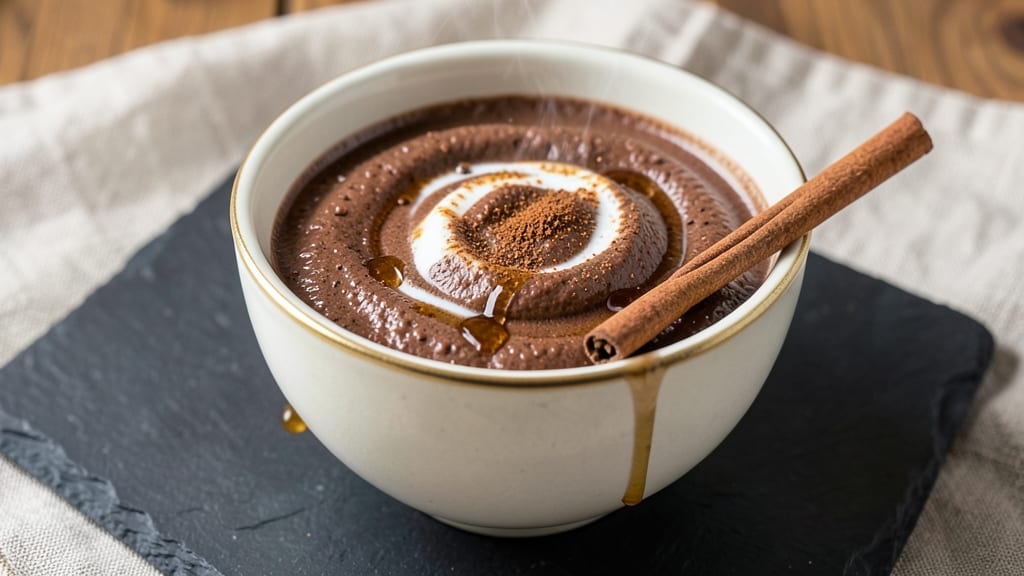
This cacao paste hot chocolate recipe transforms simple ingredients into a luxurious, velvety drink with rich depth and zero bitterness. The secret lies in cacao paste—a concentrated, fat-rich form of chocolate that dissolves smoothly into warm milk, creating a silky texture without graininess.
Unlike powdered mixes, this method delivers authentic chocolate flavor with every sip, making it perfect for cozy evenings or special occasions.
The process is straightforward but precise: gently heating the milk to 115°F before whisking in the cacao paste ensures proper emulsification, while a touch of vanilla and maple syrup balances the intensity.
This approach avoids the chalky aftertaste common in store-bought versions, delivering a restaurant-quality beverage at home. The result? A drink so smooth it feels like a decadent treat, not a quick fix.
What sets this recipe apart is the velvety finish—achieved by tempering the cacao paste with a splash of cold milk before combining.
This technique prevents clumping and enhances the chocolate’s natural flavors, creating a luxurious mouthfeel that pairs beautifully with toppings like whipped coconut cream or a sprinkle of cinnamon. Whether you're serving guests or treating yourself, this hot chocolate delivers unexpected sophistication in every cup.
Best of all, the recipe scales effortlessly—double the batch for a crowd or adjust sweetness to taste. The key to success? Patience in heating and whisking, which transforms basic ingredients into a drink that tastes like it came from a high-end café.
Ready to elevate your hot chocolate game? Let’s get started.
Ingredients for cacao paste hot chocolate
Nine ingredients transform into luxurious hot chocolate with velvety depth and zero bitterness.
| Ingredient | Amount | Notes |
|---|---|---|
| Cacao Paste 🍫 | ½ cup | High-quality, unsweetened preferred |
| Full-Fat Coconut Milk 🥥 | 2 cups | Canned, for creamy texture |
| Pure Maple Syrup 🍁 | ¼ cup | Grade B for robust flavor |
| Pure Vanilla Extract 🌿 | 1 tbsp | Bourbon-infused for depth |
| Unsweetened Almond Milk 🥛 | 1 cup | For tempering paste |
| Ground Cinnamon 🍃 | ½ tsp | Freshly ground preferred |
| Pinch Sea Salt 🧂 | ⅛ tsp | Fine grain for balance |
| Whipped Coconut Cream 🥥 | ¼ cup | For topping (optional) |
| Dark Cocoa Powder 🍫 | 1 tbsp | For garnish (optional) |
The cacao paste is the heart of this recipe—look for high-quality, unsweetened blocks from specialty stores like Whole Foods or Trader Joe's. The fat content in cacao paste creates that silky texture, so don't skimp. Full-fat coconut milk (not light) ensures richness, and Grade B maple syrup adds complexity. For vanilla, bourbon-infused extract elevates the flavor profile. If you can't find cacao paste, high-quality dark chocolate (70% or higher) finely chopped works in a pinch, though texture may differ slightly.
No coconut milk? Heavy cream or oat milk works, though coconut milk's natural sweetness and fat content are ideal. Substitute maple syrup with agave nectar or date syrup, but reduce to 2 tbsp to maintain balance. For vanilla, vanilla bean paste adds visible specks of flavor. The optional whipped coconut cream topping can be swapped for cashew cream or even a sprinkle of toasted coconut flakes. For extra depth, a pinch of espresso powder enhances chocolate notes without bitterness.
Store cacao paste in an airtight container in a cool, dark place for up to 6 months. Coconut milk cans keep for 2 weeks once opened in the fridge. Prep ahead by mixing dry ingredients (cocoa powder, cinnamon, salt) in a small jar—lasts 1 month. For single servings, portion maple syrup and vanilla into ice cube trays. The finished hot chocolate reheats beautifully—simply warm on the stovetop or microwave with a splash of milk, whisking until smooth.
Why You'll Love This Recipe
- I’ll be real: cacao paste is an investment, but a little goes far. A single block stretches into multiple servings, and the maple syrup sweetens it just enough to skip the pricier chocolate bars. Fancy taste, wallet-friendly math.
- Three-Ingredient Magic: I swear by this combo—just melt cacao paste into coconut milk, stir in maple syrup, and boom. No measuring cups, no guesswork, just pure, velvety chocolate that tastes like a hug from a Swiss chocolatier.
- Rich Without Guilt: Honestly, the cacao paste packs way more depth than powdered mix, but it’s still smooth. The coconut milk adds that buttery richness, and the vanilla? It’s the secret weapon that makes this taste like a dessert, not a drink.
- Weeknight or Wind-Down: Between us, this is my go-to when I’m too tired to cook but still want something special. It’s just as good reheated the next day—perfect for lazy mornings or late-night cravings.
Step-by-step instructions for cacao paste hot chocolate
This method transforms raw cacao paste into velvety hot chocolate with balanced richness and depth.
Temper the Cacao Paste with Almond Milk
In a medium saucepan, combine the 0.5 cup cacao paste with the 1 cup unsweetened almond milk. Heat over medium-low heat for 5-7 minutes, stirring constantly with a silicone spatula. You'll notice the cacao paste gradually emulsify into the milk, creating a thick, fudgy paste that will eventually dissolve completely.
This tempering process is crucial—it prevents bitterness by allowing the cacao's natural oils to bloom gently. Keep the heat low to avoid scorching; you're looking for a smooth, paste-like consistency rather than a liquid. If it starts to separate or looks grainy, add 1-2 tablespoons of warm almond milk to help it integrate fully.
Incorporate Coconut Milk and Sweeteners
Once the cacao paste is fully dissolved, reduce the heat to low and whisk in the 2 cups full-fat coconut milk. Add the 0.25 cup pure maple syrup and 1 tbsp pure vanilla extract, stirring continuously for 3-4 minutes until the mixture reaches a gentle simmer. The coconut milk will create a luxurious creaminess while the maple syrup balances the cacao's earthiness.
Watch for small bubbles forming at the edges—this indicates the mixture is heating through. Avoid boiling; you want the flavors to meld without developing a cooked taste. The texture should become silky, almost like a thick custard, with no visible lumps.
Season and Simmer for Depth
Remove the saucepan from heat and let it rest for 1 minute to cool slightly. Return to low heat and whisk in the 0.5 tsp ground cinnamon and 0.125 tsp pinch sea salt. Simmer gently for 2-3 minutes, stirring occasionally, until the cinnamon is fully incorporated and the salt dissolves completely.
The salt enhances all flavors, while the cinnamon adds warmth that complements the cacao's complexity. Taste the mixture now—you should detect layers of chocolate, vanilla, and subtle spice without any bitterness. If it needs more sweetness, add 1-2 teaspoons of maple syrup; if it's too thin, simmer uncovered for 1 additional minute to thicken slightly.
Serve with Whipped Coconut Cream
Divide the hot chocolate among 4 mugs, filling each about ¾ full. Immediately top each serving with 1 tablespoon of dark cocoa powder dusted lightly over the surface for visual contrast and extra chocolate flavor. Then, add a generous dollop of 0.25 cup whipped coconut cream to each mug, allowing it to spread slightly into the chocolate.
This presentation creates a stunning contrast between the deep brown chocolate and the pale whipped cream. The cold cream also helps temper the heat of the hot chocolate, creating a perfect balance of temperatures. Serve immediately while the cocoa powder is still vibrant and the whipped cream hasn't melted completely.
Optional Enhancements (For Special Occasions)
For an elevated version, stir in 1 teaspoon of instant espresso powder while the hot chocolate is still warm to deepen the chocolate flavor profile. Alternatively, add ½ teaspoon of orange zest for a bright citrus note that cuts through the richness. Always adjust these additions gradually—taste as you go to maintain balance.
This hot chocolate keeps well in a thermos for 2-3 hours, making it ideal for picnics or outdoor gatherings. For storage, refrigerate leftovers in an airtight container for up to 3 days, reheating gently over low heat while stirring constantly to prevent scorching. The texture will be slightly thicker when cold, but it will return to its original consistency with gentle warming.
Pro Tips For Making Cacao Paste Hot Chocolate
- STIR CONSTANTLY AT FIRST: Cacao paste burns faster than you’d think—especially when it hits the pan. Keep your spoon moving for the first 30 seconds after adding it to the coconut milk, or you’ll end up with bitter, grainy bits that ruin the whole drink. (Yes, even if you’re impatient like me.)
- MELT THE COCONUT MILK FIRST: Heat the full-fat coconut milk alone until it’s steaming but not boiling—just until tiny bubbles form around the edges. This ensures the cacao paste blends smoothly later instead of clumping like a stubborn child refusing to mix. Trust me, 2 minutes of patience here saves 10 minutes of scraping later.
- DON’T SKIP THE WHISKING: After removing from heat, give that hot chocolate a good whisk for 30 seconds. The cacao paste loves to sink, and without this step, your first sip will taste like you’re drinking chocolate pudding. (I learned this the hard way after a lukewarm batch where I just stirred lazily.)
- SWAP ALMOND MILK LAST: Add the unsweetened almond milk after everything else is off the heat—it thins the mixture too much if you mix it in early. Pour it in slowly while whisking, or you’ll end up with a watery, sad excuse for hot chocolate. (Your future self will thank you.)
Dietary considerations for this dish
Vegan-Friendly Foundation
This recipe is naturally vegan—no dairy or animal products needed! The cacao paste provides rich chocolate flavor while the full-fat coconut milk delivers creaminess without butter or cream. Even the maple syrup and vanilla extract are plant-based, making it perfect for vegan diets.
The whipped coconut cream topping adds a luxurious finish that rivals traditional whipped cream. 🌱
Gluten-Free Guaranteed
Since this hot chocolate relies on cacao paste, coconut milk, and natural sweeteners, it’s inherently gluten-free. Always double-check your vanilla extract and cinnamon labels to ensure they’re certified gluten-free, as some brands may process ingredients in shared facilities.
The dark cocoa powder garnish is also gluten-free, so you can enjoy this recipe worry-free if you have gluten sensitivities.
Nut-Free Adaptations
While the recipe includes almond milk for tempering, you can easily substitute with oat milk or soy milk to avoid nuts.
The coconut milk and maple syrup are nut-free, and the whipped coconut cream topping can be replaced with cashew cream (if nut-free) or a sprinkle of toasted coconut flakes. Always verify labels for cross-contamination warnings if nut allergies are a concern.
Sugar-Free Options
For a lower-sugar version, reduce the maple syrup to 2 tablespoons or swap it for monk fruit sweetener (about 1 tablespoon). The natural sweetness of cacao paste and coconut milk will still shine, though the texture may be slightly lighter.
Taste as you go—sometimes a pinch of sea salt enhances sweetness perception without adding sugar.
Dairy-Free Luxury
This recipe excels as a dairy-free alternative to traditional hot chocolate. The coconut milk mimics the richness of dairy while keeping it plant-based, and the cacao paste delivers a deeper chocolate flavor than powdered mixes.
For extra decadence, try homemade cashew cream instead of whipped coconut cream—it blends seamlessly and adds a velvety touch. 🥥✨
Nutrition facts
Frequently asked questions
Why does cacao paste make hot chocolate smoother than powder?
The high fat content in cacao paste creates natural emulsification, blending seamlessly into warm milk without graininess. Unlike powders that can separate, the paste's texture dissolves into a velvety consistency when properly tempered with cold milk first. This technique eliminates the chalky aftertaste common in store-bought mixes.
Can I make this recipe without coconut milk?
Yes! Use heavy cream for richness or oat milk for a lighter version. The key is maintaining fat content—avoid skim milk as it won't create the same luxurious texture. For dairy-free alternatives, cashew cream works beautifully, though coconut milk's natural sweetness is hardest to replicate.
What's the best way to store leftover hot chocolate?
Transfer to an airtight container and refrigerate for up to 3 days. Reheat gently over low heat, whisking constantly to prevent scorching. The texture will thicken slightly when cold but returns to silky smoothness when warmed. For longer storage, freeze in ice cube trays with a splash of milk—thaw overnight in the fridge before reheating.
How do I fix hot chocolate that's too bitter?
Add 1-2 teaspoons of maple syrup and whisk well. If bitterness persists, the cacao paste may have overheated—reduce heat next time and stir constantly. A pinch of salt helps balance flavors, and a splash of vanilla extract can soften the intensity. For future batches, use slightly less cacao paste (start with 0.4 cup instead of 0.5 cup).
Can I make this recipe with a microwave?
While possible, stovetop heating gives better control over temperature and prevents scorching. If using a microwave, heat the milk mixture in 30-second intervals, stirring vigorously between each. The cacao paste needs gentle, even warming to dissolve properly—microwaving can cause hot spots that burn the paste. For best results, use the stovetop method.