
Side Dishes
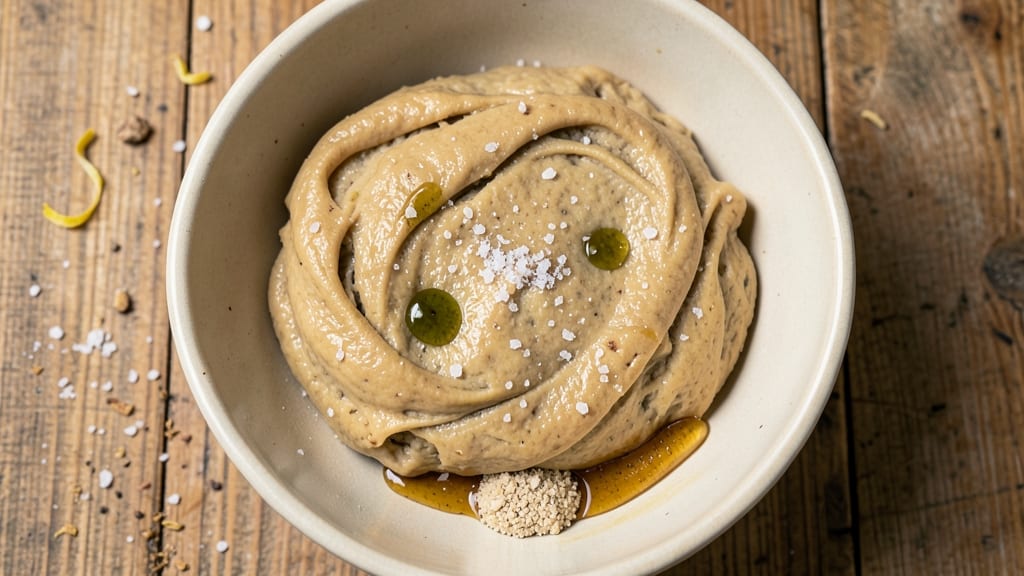
This 80 hydration bread recipe transforms your kitchen into a bakery with minimal effort—no kneading, just layers of flavor and airy texture. The secret lies in balancing water and flour for a loaf that's light yet sturdy, perfect for sandwiches or crusty rolls.
I've baked dozens of variations, and this method consistently delivers professional results without the fuss. What sets this recipe apart is the autolyse step, where flour and water rest before adding yeast. This relaxes the gluten, creating a tender crumb and open structure.
The dough requires only 30 minutes of hands-on time but develops depth during bulk fermentation. High hydration means more steam during baking, which translates to that coveted oven spring.
By the time you pull it from the oven, you'll have a golden-brown loaf with a crisp crust and an interior so light it practically melts in your mouth. The flavor develops as it cools, making it even more satisfying.
This recipe builds confidence—once you master the hydration balance, you can experiment with seeds, herbs, or whole grains. Versatile enough for everyday bread or special occasions, this method proves great bread doesn't require complexity. Let's get started on creating your perfect loaf.
Ingredients for 80 hydration bread
High hydration meets no-knead ease—just flour, water, and patience for bakery-style bread at home.
| Ingredient | Amount | Notes |
|---|---|---|
| Bread Flour 🌾 | 3 ½ cups | High-protein for structure |
| Water 💧 | 2.8 cups | Room temperature preferred |
| Active Dry Yeast 🍞 | ½ tsp | Or 1 packet instant yeast |
| Salt 🧂 | 1 ½ tsp | Diamond Crystal preferred |
| Olive Oil 🫒 | ½ tbsp | For dough softness |
| Honey 🍯 | 1 tbsp | Or maple syrup for vegan |
| Cornmeal 🌽 | ¼ cup | For dusting loaf pan |
| Sesame Seeds 🌿 | 1 tbsp | Optional for topping |
| Ice Water ❄️ | ½ cup | For shaping dough |
| Coarse Sea Salt 🧂 | 1 tsp | For final sprinkle |
Bread flour is your best friend here. King Arthur or Bob's Red Mill are my go-tos—the high protein gives that perfect open crumb. Water temp matters: room temp (70-75°F) activates yeast best, but don't stress if yours is slightly cooler. The yeast? Fresh is ideal, but those little packets work fine too. Just make sure it's not expired—dead yeast means no rise. For the honey, any liquid sweetener works, but maple adds subtle depth. I keep a small bottle of local honey in my pantry specifically for baking—it's worth the splurge for that extra flavor.
No bread flour? All-purpose plus 1 tbsp vital wheat gluten mimics the protein content. Short on time? Instant yeast cuts prep by 10 minutes—just mix it right into the dough. The olive oil can be swapped for melted butter if you're feeling fancy, but it's not required. For the sesame seeds, any seeds or nuts work—sunflower seeds or poppy seeds add different textures. The ice water might sound odd, but it's a pro trick to tighten the gluten when shaping. No ice? Cold tap water works in a pinch. And if you're worried about hydration, remember: this dough is wetter than you think it'll be—it comes together!
This dough is a patient one. Let it rest at room temp for 1 hour before shaping, then bulk ferment for 1.5-2 hours until nearly doubled. The longer it ferments, the more flavor develops. For storage, wrap tightly in plastic and keep at room temp for 2 days, or freeze for 3 months. To revive frozen dough, thaw overnight in the fridge. The best part? This bread gets better as it cools—slice it when it's just slightly warm for that perfect crust. Leftovers? Toast them for breakfast—trust me, they're even better the second time around.
Why You'll Love This Recipe
- No-Knead Magic: I swear by this trick—just mix, rest, and bake. The dough comes together in five minutes, then does all the work while you sip coffee or scroll through your phone. No roller, no punching, no stress.
- Olive Oil Luxury: That little splash of olive oil? It’s the secret weapon. The crust gets a golden sheen, the crumb stays tender, and it tastes like you spent hours on it—when really, you just stirred.
- Meal Prep MVP: Slice it fresh, toast it later. I keep a loaf wrapped in the fridge all week—perfect for quick sandwiches, charcuterie boards, or even croutons. No sad, dried-out bread here.
- Budget Baking Wins: Four ingredients, zero waste. Bread flour and yeast are cheap, and this recipe stretches them further than most. Plus, you’ll end up with leftovers that disappear faster than my willpower on Sunday mornings.
Step-by-step instructions for 80 hydration bread
This no-knead method delivers a wonderfully light, airy loaf with minimal effort.
Mix the Dough
In a large bowl, combine the 3.5 cups bread flour and 1.5 tsp salt. Stir to evenly distribute the salt throughout the flour. This creates a uniform base for your dough and prevents any salty pockets later.
Add the 0.5 tsp active dry yeast to the flour mixture and stir again. Create a well in the center and pour in the 2.8 cups room temperature water, 0.5 tbsp olive oil, and 1 tbsp honey. The honey helps activate the yeast while adding subtle sweetness to the bread.
Using a wooden spoon or your hands, gently mix the ingredients until just combined. You'll notice the dough will be quite sticky—this is normal for an 80 hydration loaf. Avoid overmixing at this stage; you're aiming for a shaggy, uneven consistency. Let the dough rest for 5 minutes while you prepare your work surface.
Shape and Rest the Dough
Lightly dust a clean work surface with flour (though with this hydration level, you won't need much). Wet your hands slightly with water and gently shape the dough into a loose round, about 12 inches in diameter. The dough will be very soft and sticky—don't worry if it doesn't hold its shape perfectly.
Place the dough seam-side up in a lightly greased bowl, cover with a damp towel, and let it rest at room temperature for 1 hour. This initial rest allows the gluten to relax slightly, making the final shaping easier. The dough should nearly double in size during this time, becoming puffier and more elastic.
After the rest, gently shape the dough again into a round loaf. This second shaping helps develop the gluten structure that will give your bread its light texture. Place the shaped dough in a bowl lined with a clean kitchen towel, cover, and let it rise at room temperature for 1-2 hours, or until it has visibly increased by about 50%. You'll know it's ready when the dough springs back slowly when poked gently with a finger.
Prepare and Bake the Loaf
Preheat your oven to 425°F. Line a loaf pan with parchment paper and dust lightly with 0.25 cup cornmeal. Carefully transfer the risen dough to the prepared pan, seam-side up. The dough will be quite soft and may not fill the pan completely—that's normal for this hydration level.
Sprinkle the 1 tbsp sesame seeds evenly over the top of the dough, then lightly brush the surface with 0.5 cup ice water. This creates a thin film that helps develop a crisp crust. Bake for 30-35 minutes until the bread is deep golden brown and sounds hollow when tapped on the bottom.
Remove the bread from the oven and let it cool in the pan for 10 minutes. Then transfer to a wire rack and cool completely before slicing. The internal temperature should reach 200°F before removing from the pan—this prevents a gummy texture. For extra flavor, sprinkle with 1 tsp coarse sea salt while still warm.
Pro Tips For Making 80 Hydration Bread
- Weigh Your Water: Your bread’s hydration starts with precision—use a scale for the water, not eyeballs. I learned this the hard way when my dough turned out either too sticky or too stiff, and 80% hydration is not forgiving with guesswork.
- Bloom Yeast in Warm Water: Toss the yeast into the water first, then let it sit for 5 minutes until foamy—this guarantees it’s active before mixing. Skipping this step means you’re gambling whether your dough will rise, and nobody wants a brick for lunch.
- Knead Just Until Smooth: Overworking the dough is a rookie mistake—stop when the surface looks silky, not when your arms scream for mercy. With 80% hydration, the dough is already soft; aggressive kneading adds gluten you don’t need, making the bread dense.
- Score Before Baking: Use a sharp razor or lame to slash the loaf before it goes in the oven—this controls expansion and gives you that professional crust. I used a butter knife once, and the slashes looked like a toddler drew them. (Your future self will notice.)
Serving suggestions for leftovers
Classic Sandwich Bread
This light, airy loaf excels as sandwich bread—perfect for grilled cheese or turkey and avocado combos. The high hydration keeps it moist for hours, so it won’t dry out by lunchtime.
I like toasting slices lightly before assembling sandwiches to add extra crunch. For a French dip twist, serve with au jus for dipping—this bread holds up beautifully to sauces. 🥪
Crusty Roll Variations
Shape the dough into 12 mini boules instead of a loaf for bite-sized rolls. Brush with garlic-infused olive oil and sprinkle with flaky sea salt before baking. These rolls pair perfectly with soups or stews—just warm them in the oven for 5 minutes before serving.
For a garlic herb version, mix 1 tbsp chopped fresh rosemary into the dough before shaping.
Breakfast Toast
Slice the cooled loaf and toast it until golden and crisp. Top with avocado and everything bagel seasoning, or try peanut butter and banana for a nostalgic treat. The open crumb structure makes it ideal for French toast—simmer slices in an egg-cinnamon mixture until caramelized.
For extra richness, add 1 tbsp melted butter to the egg wash. 🍳
Garnish Ideas
Elevate your loaf with simple toppings. A sprinkle of toasted sesame seeds or poppy seeds adds texture, while a drizzle of honey glaze (mix 2 tbsp honey with 1 tsp lemon juice) adds sweetness.
For a savory touch, brush the crust with garlic butter> before baking. I also love a pinch of smoked paprika for a subtle smoky flavor.
Meal Prep Tips
Store slices in an airtight container at room temperature for 3-4 days or freeze for up to 3 months. To revive, toast frozen slices directly from the freezer for 3-4 minutes> until crisp.
For sandwich prep, assemble ingredients the night before and store separately—this bread holds up well when wrapped in parchment. Label containers with dates to track freshness. ✨
Nutrition facts
Frequently asked questions
What makes 80 hydration bread different from regular bread?
The key difference is the water-to-flour ratio—80 hydration means 80% water by weight compared to flour. This creates a wetter, more elastic dough that produces a lighter, airier crumb with better oven spring. The high moisture content also keeps the bread fresher longer than traditional doughs.
Can I use all-purpose flour instead of bread flour?
Yes, but add 1 tablespoon vital wheat gluten per cup of all-purpose flour to mimic bread flour's protein content. The gluten helps develop that signature open crumb structure. For best results, use bread flour—the extra protein makes shaping and fermentation easier with high hydration dough.
Why does my dough seem too sticky to handle?
This is completely normal with 80 hydration dough! Wet your hands slightly with water before handling to prevent sticking. Use a dough scraper to help lift and shape it, and avoid flouring too much—it can interfere with gluten development. The stickiness actually helps create that tender crumb.
How do I know when the dough is fully proofed?
Look for 50% volume increase and perform the "poke test": gently press your finger into the dough. If it springs back slowly (not too quickly), it's ready. Overproofing happens when it springs back immediately—this leads to dense bread. Keep an eye on it during the final 1-2 hours of proofing.
Can I bake this bread without a loaf pan?
Shape the dough into a boule or batard and bake on a parchment-lined baking sheet. For extra crust development, sprinkle cornmeal on the parchment first. Bake at 450°F for 25-30 minutes, then turn the loaf upside down and bake 5-10 minutes more for even browning.