
Side Dishes
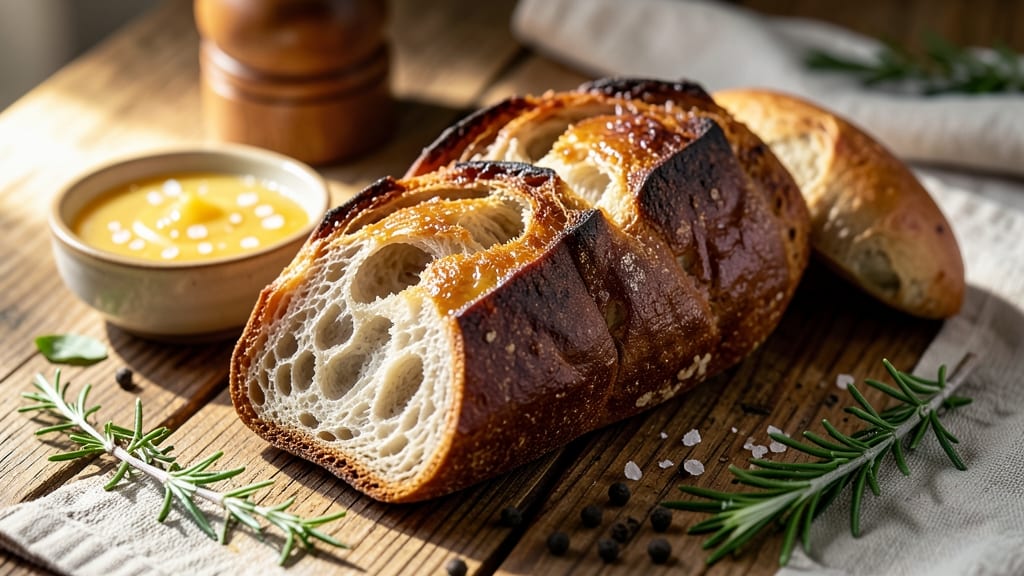
This buttery pull-apart loaf is an add bread recipe that delivers restaurant-quality bread with a golden crust and tender crumb that practically melts in your mouth. 🌟 The secret lies in a simple yet foolproof dough formula that develops rich flavor during proofing, while a generous brush of melted butter before baking creates that irresistible crispy exterior.
What sets this apart is the ability to tear into perfectly even, pull-apart pieces without crumbling—ideal for sandwiches, dipping, or serving alongside soups and stews.
Unlike dense, dry breads, this recipe achieves a light, airy texture through precise kneading and proper proofing times. You'll work with just five core ingredients—flour, yeast, sugar, salt, and butter—plus a touch of milk for extra tenderness.
The dough comes together in under 15 minutes, then rests while you prepare the baking environment, ensuring consistent results every time. This is the kind of bread that transforms ordinary meals into something special with minimal effort.
When baked to a deep golden brown, the crust develops a satisfying crunch while the interior remains soft and pillowy. The butter infuses throughout, creating layers of flavor that make each bite irresistible.
Whether you're serving it warm from the oven or storing it for later, this loaf maintains its freshness and texture better than store-bought alternatives. The pull-apart quality makes it perfect for sharing, while its versatility works for breakfast toast, dinner rolls, or as a side dish.
For those short on time, I've included a quick proofing method that cuts the wait without sacrificing quality. The recipe also scales easily—double the batch for a crowd or halve it for a small household.
Ready in about 2 hours from start to finish, this is bread-making made simple without compromising on taste or texture. Let's get started on creating your perfect loaf.
Ingredients for add bread
Five core ingredients plus a touch of milk—this is all you need for golden, pull-apart perfection.
| Ingredient | Amount | Notes |
|---|---|---|
| All-Purpose Flour 🌾 | 4 cups | Sifted for light texture |
| Active Dry Yeast 🍞 | ¼ oz | Or 2 1/4 tsp (1 packet) |
| Granulated Sugar 🍚 | ¼ cup | Feeds yeast and balances flavor |
| Salt 🧂 | 1 tsp | Kosher or sea salt preferred |
| Unsalted Butter 🧈 | ½ cup | Cold, cubed for dough (full-fat for best flavor) |
| Whole Milk 🥛 | ½ cup | Warmed to room temperature |
| Large Egg 🥚 | 1 whole | Room temperature for even mixing |
| Extra-Virgin Olive Oil 🫒 | 2 tbsp | For dough and brushing crust |
| Melted Butter 🧈 | ¼ cup | Cooled slightly for brushing |
| Coarse Sea Salt 🧂 | 1 tbsp | For sprinkling before baking |
The flour is your foundation, so grab King Arthur or Gold Medal for the best rise. Yeast is non-negotiable—check the date on that packet! Trader Joe's or Whole Foods sell fresh yeast in bulk if yours is past its prime. For the butter, Plugrá or Land O'Lakes are my go-tos, but any good-quality unsalted works. The milk adds tenderness—warm it just enough to dissolve the sugar, but not so hot it kills the yeast. Pro tip: if your kitchen's cold, warm the milk and butter slightly to help the yeast activate faster.
No yeast? Instant yeast works 1:1, but active dry is better for this dough. Short on butter? Vegetable shortening at half the amount keeps the crust crispy, though flavor suffers. The olive oil can be swapped for neutral oil like avocado if you're out, but it lacks that fruity depth. For a richer loaf, add 1 tbsp honey or maple syrup to the milk. And if you're baking in a dry climate, brush the dough with an extra 1 tbsp milk before the final butter glaze for extra shine.
Keep your dough in the fridge overnight for deeper flavor—it's worth the extra hour. The baked loaf stays fresh for 3-4 days at room temperature, wrapped in a clean kitchen towel. For longer storage, freeze slices wrapped in parchment for up to 3 months. To reheat, wrap in foil and warm at 350°F for 5-10 minutes. The golden crust? Best eaten fresh, but the tender crumb holds up beautifully for days.
Why You'll Love This Recipe
- No-Knead Magic: I swear by this dough—just mix, wait, and bake. The yeast does all the work while I sip coffee, and that buttery aroma? Worth the 10-minute hands-off time.
- Sweet Butter Crust: That touch of sugar in the dough caramelizes just enough to give the crust a golden, almost honeyed edge, while the cold butter keeps the crumb tender. It’s the kind of bread that makes you pause mid-bite.
- Weeknight Hero: Toss a batch together on Sunday, and you’ve got dinner rolls for Tuesday’s pasta or toast for Thursday’s breakfast. Freeze half—it thaws in 30 minutes, no fuss.
- Pantry Staple Power: Flour, yeast, sugar, butter—ingredients you already own. I’ve made this on a $5 budget for six people, and it’s the kind of bread that disappears faster than my willpower on a bad day.
Step-by-step instructions for buttery pull-apart loaf with golden crust
Here's how to make this irresistibly soft, buttery bread that tears apart with every pull.
👨🍳 Step 1: Activate the Yeast and Mix the Dough
In a small bowl, combine the 0.25 cup warm whole milk (about 110°F) with the 0.25 oz active dry yeast and 0.25 cup granulated sugar. Let it sit for 5-10 minutes until foamy—this means your yeast is alive and ready to work. If it doesn't bubble, your yeast might be dead, and you'll need to start over.
In a large bowl, whisk together the 4 cups all-purpose flour (sifted for that light texture we want) and the 1 tsp salt. Make a well in the center and pour in the yeast mixture along with the 1 whole large egg and 2 tbsp extra-virgin olive oil. Use a wooden spoon to mix until a shaggy dough forms, then turn it out onto a lightly floured surface.
👨🍳 Step 2: Knead Until Silky Smooth
Knead the dough for 8-10 minutes by hand (or 5-6 minutes in a stand mixer with a dough hook) until it's smooth and elastic. You'll know it's ready when it springs back slowly when poked. This step develops the gluten, which gives your bread that perfect pull-apart texture.
Here's the thing—I like to add the 0.5 cup cold unsalted butter (cut into small cubes) during the last minute of kneading. Press the butter into the dough until fully incorporated. The cold butter creates pockets of fat that will make this bread incredibly tender and rich.
⏰ Step 3: Let It Rise Until Doubled
Place the dough in a lightly greased bowl, cover it with a damp towel, and let it rise in a warm place for 1-2 hours or until it's doubled in size. I usually put it near the oven with the light on to create a warm, cozy environment. The dough should puff up and look puffy all over—this means it's ready for the next step.
Gently punch down the dough to release any air bubbles, then shape it into a loose round loaf. Place it seam-side up in a greased pull-apart bread pan (or a 9x5-inch loaf pan if you don't have one). Cover it again and let it rise for another 30-45 minutes until it's just about ready to overflow the pan.
🔥 Step 4: Bake to Golden Perfection
Preheat your oven to 375°F. Brush the top of the dough with the 0.25 cup melted butter (cooled slightly) and sprinkle generously with the 1 tbsp coarse sea salt. Bake for 30-35 minutes until the top is deep golden brown and the internal temperature reaches 190°F.
Here's where it gets exciting—the bread will look underdone at first, but don't open the oven door! The butter on top will create a beautiful, crackly crust as it bakes. When it's done, transfer the bread to a wire rack and let it cool for 10 minutes before serving. That golden crust will be irresistible, and the inside will be soft and buttery.
🍽️ Step 5: Serve Warm and Enjoy
Once the bread has cooled slightly, gently pull apart the loaf to reveal those soft, buttery layers. Serve it warm with your favorite butter or jam. This bread is perfect for dipping, toasting, or just tearing into with your hands—it's that good.
Real talk: If you're feeling fancy, you can brush the top with a little more melted butter right after baking for an extra-rich finish. And if you have any leftovers (unlikely), store them in an airtight container for up to 3 days or freeze for up to 3 months. Enjoy every bite!
Pro Tips For Making Add Bread
- Use Warm Water for Yeast: I learned this the hard way—cold water kills yeast before it even starts. Mix your yeast with warm water (about 110°F, or just warm enough to touch without burning) and let it sit for 5 minutes until foamy. If it doesn’t bubble, your bread’s going to be flat and dense, no matter how much you knead.
- Salt the Butter First: This isn’t the prettiest method, but it’s the tastiest. Mix the salt directly into softened butter before adding it to the dough—it dissolves evenly instead of clumping. I used to sprinkle it on top, and half the time it’d stay in chunks, making the bread taste uneven.
- Knead Until Windowpane: Stop guessing when the dough is ready. Stretch a small piece between your fingers—if it’s thin enough to see light through (like a windowpane), you’re good. Over-kneading makes gluten tough, but under-kneading leaves you with a gummy mess. Aim for 8-10 minutes by hand or 5-6 minutes in a mixer.
- Let the Dough Rise Twice: Yes, even if you’re impatient like me. The first rise (1-2 hours) builds flavor, but the second (after shaping) lets the gluten relax for a better texture. Skip the second rise, and your bread might collapse or taste flat. Cover it loosely with a towel—condensation is your friend here.
Serving suggestions for leftovers
Classic Pairings
Serve this buttery pull-apart loaf warm alongside creamy tomato basil soup—the golden crust soaks up every drop beautifully. I like to drizzle the soup with a touch of balsamic glaze to complement the bread's richness.
For a heartier meal, pair it with grilled chicken thighs or roasted vegetables like Brussels sprouts and sweet potatoes. 🍽️
Breakfast Spread
Transform this bread into a showstopping breakfast centerpiece by serving it with scrambled eggs and crispy bacon. The pull-apart texture makes it perfect for dipping in homemade hollandaise sauce or spreading with garlic-herb butter.
Add a side of fresh berries for a balanced, satisfying meal that feels special without being fussy.
Dinner Party Elevation
For dinner guests, elevate this bread by serving it with whipped goat cheese and sliced figs as an appetizer. The contrast of creamy cheese and sweet fruit against the buttery crust is pure magic.
I also love pairing it with charcuterie boards—think prosciutto, sharp cheddar, and honey—for a crowd-pleasing starter that gets rave reviews every time.
Comfort Food Combo
This bread shines as the perfect side for classic mac and cheese—the pull-apart pieces make it easy to scoop up every last bite. For a vegetarian twist, serve with mushroom risotto or lentil stew.
The bread's tender crumb soaks up hearty sauces beautifully, turning simple meals into restaurant-worthy feasts. 💛
Dessert Twist
Don't stop at savory pairings! Warm slices make incredible French toast—dip in a mix of eggs, cinnamon, and vanilla, then pan-fry until golden. For dessert, serve with warm chocolate sauce or vanilla ice cream for a decadent treat that feels indulgent yet homemade.
The buttery flavor pairs perfectly with sweet toppings.
Meal Prep Strategy
Make ahead and store slices in the freezer for quick lunches. Reheat in a toaster oven at 375°F for 3-5 minutes until crispy. Pack with turkey slices, cheese, and mustard for gourmet sandwiches, or use as a base for open-faced sliders with pulled pork or grilled veggies.
The bread's versatility makes it a game-changer for busy weeknights. ✨
Nutrition facts
Frequently asked questions
Can I make this pull-apart bread without a pull-apart pan?
Use a 9x5-inch loaf pan instead—just grease it well and shape the dough into a round loaf. For extra pull-apart texture, score the top with a sharp knife before baking. The bread will still tear beautifully, though you'll need to pull from the sides rather than the top.
Why did my bread turn out dense instead of light and airy?
Dense bread usually means the dough didn't rise enough. Check these key steps:
- Yeast was dead (test with warm milk/sugar—it should bubble in 5-10 minutes),
- Proofing time was too short (let it double in size), or
- Over-kneading (stop when dough springs back slowly). For next time, try a 15-minute cold proof in the fridge overnight for better flavor and texture.
How can I add flavor variations to this basic recipe?
Try these easy upgrades: Swap 1/4 cup flour for herbs (rosemary/thyme) or garlic powder, add 1 tsp lemon zest to the dough, or mix in 1/2 cup grated Parmesan for cheesy flavor. For sweet versions, replace 1 tbsp sugar with cinnamon + 1 tbsp brown sugar. The butter brushing is where magic happens—try garlic-infused oil or honey butter for extra depth.
Can I make this bread in a Dutch oven for a crisper crust?
Yes! Shape the dough into a round boule, place it in a hot Dutch oven (preheated with the bread), then bake covered for 20 minutes at 425°F. Remove the lid and bake 10-15 more minutes until golden. The Dutch oven creates steam for a crispy crust while keeping the interior tender. Brush with extra butter after baking for maximum shine.
How do I store leftovers to keep them fresh?
Wrap the cooled loaf tightly in a clean kitchen towel or beeswax wrap (better than plastic for freshness). Store at room temp for 3-4 days or freeze slices in a ziplock bag for up to 3 months. To revive stale bread, sprinkle with water and bake at 350°F for 5 minutes. For sandwiches, toast slices in a toaster oven at 375°F for 3 minutes to restore crispness.