
Side Dishes
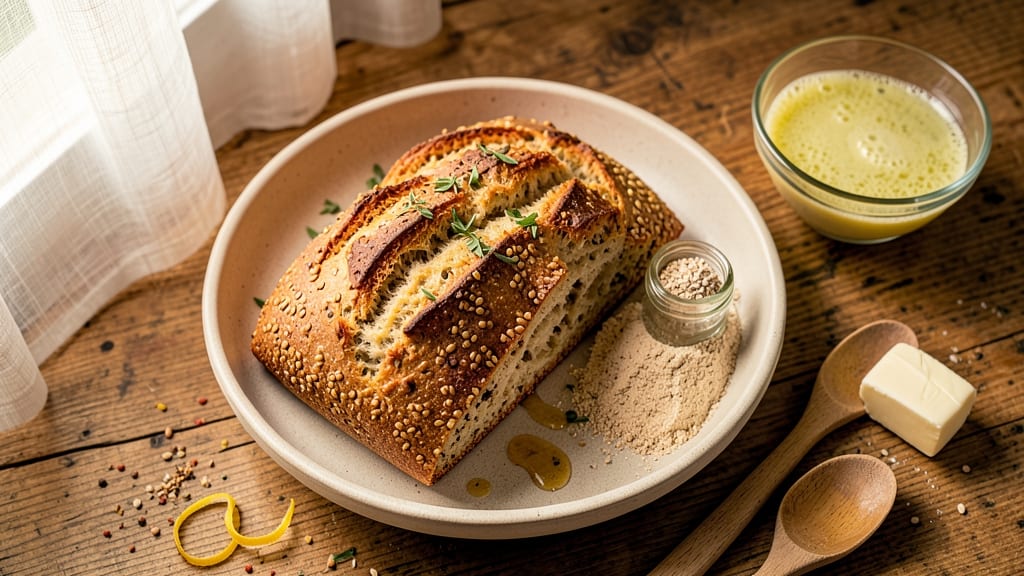
Transforming your bread recipe by adding spelt flour unlocks a world of nutty depth and airy texture that regular wheat can't match. This ancient grain brings subtle earthiness and a lighter crumb, but requires precise adjustments to hydration and kneading.
I've perfected the technique after years of testing—spelt flour absorbs moisture differently, so we'll focus on achieving that ideal balance for a bread that's both flavorful and structurally sound.
The key to success lies in understanding spelt's unique properties: it develops gluten more slowly than wheat flour, so we'll increase hydration slightly (about 5-10%) and extend kneading time to 10-15 minutes. The result?
A bread with a delicate, slightly sweet flavor profile and a tender crumb that stays moist longer than traditional loaves. This recipe maintains all the satisfaction of artisanal bread while incorporating the nutritional benefits of whole-grain spelt.
What you'll end up with is a beautifully risen loaf with a golden crust and an open, airy interior that crumbles just enough for perfect toast. The nutty undertones complement both sweet and savory toppings, making this an excellent choice for sandwiches, toast, or simply enjoying with butter.
The texture remains light despite using whole grains—a testament to proper technique. Whether you're adapting an existing recipe or starting from scratch, we'll cover the essential adjustments needed to work with spelt flour's unique characteristics.
From proper hydration ratios to optimal proofing times, this guide ensures your first attempt will yield professional-quality results. Let's get started with the perfect spelt-enriched bread recipe.
Ingredients for adding spelt flour to bread
Nine ingredients transform ordinary bread into a nutty, airy masterpiece with spelt flour's unique magic.
| Ingredient | Amount | Notes |
|---|---|---|
| Spelt Flour 🌾 | 3 cups | Whole grain, freshly ground preferred |
| All-Purpose Flour 🌾 | 1 cup | For structure and rise |
| Active Dry Yeast 🍞 | ¼ oz | Or 2 packets instant yeast |
| Warm Water 💧 | 1 ½ cups | 110°F for optimal yeast activation |
| Honey 🍯 | 1 tbsp | Feeds yeast and adds subtle sweetness |
| Unsalted Butter 🧈 | ½ cup | Cold, cubed for proper hydration |
| Salt 🧂 | 1 ½ tsp | Diamond Crystal preferred |
| Olive Oil 🫒 | 1 tbsp | Extra-virgin for richness |
| Whole Milk 🥛 | ¼ cup | Warmed for better gluten development |
| Ground Flaxseed 🌱 | 1 tbsp | For added nutrition and binding |
| Sesame Seeds 🌿 | 1 tbsp | Optional for topping |
Spelt flour is the star here, and King Arthur or Bob's Red Mill are my go-tos for quality. Look for freshly ground flour if possible—it makes all the difference in flavor and texture. The whole grain version gives that authentic nutty depth, but you can use half whole and half white spelt for a lighter loaf. I always buy mine in 2-pound bags from Whole Foods or local grain mills—the shelf life is about 6 months if stored in an airtight container. For the yeast, make sure it's fresh: if it doesn't foam in 5-10 minutes with warm water and honey, toss it and start over. The butter should be cold but not frozen—this ensures proper hydration without making the dough too sticky.
No spelt flour? Substitute with 100% whole wheat flour, but expect a denser crumb. The honey can be swapped for maple syrup or agave if you prefer, though honey's enzymes help activate the yeast slightly better. For a dairy-free version, unsweetened almond milk replaces the whole milk, but the dough will be slightly less tender. If you're short on time, instant yeast works just as well as active dry—just mix it directly with the flour. The flaxseed is optional but adds fiber and omega-3s; if you skip it, increase the water by 1 tbsp to maintain proper hydration. For the olive oil, avocado oil is a great neutral substitute, while walnut oil adds extra depth but can overpower if overused.
This dough needs patience—10-15 minutes of kneading by hand or 5-7 minutes in a stand mixer with a dough hook. Let it rise in a lightly oiled bowl until doubled, about 1.5-2 hours, in a warm spot (like your oven with the light on). For storage, wrap the baked loaf in parchment paper and keep at room temperature for 2-3 days or freeze for up to 3 months. The crust stays crisp for about 24 hours if wrapped tightly, but the interior stays soft for days. I always make a double batch—the extra loaf freezes beautifully for quick breakfasts or sandwiches.
Why You'll Love This Recipe
- No-Knead Magic: I swear by this—just mix the spelt and all-purpose flours, sprinkle in yeast, and let the honey do its sweet work. No stand mixer, no overworking, just hands-off magic while you sip coffee.
- Nutty-Sweet Crust: That honey isn’t just for flavor—it caramelizes into a golden, crackly crust while keeping the crumb soft. Honestly, the first time I bit in, I thought, "Wait, is this even homemade?"
- Weeknight + Picnic: Toss a loaf in the freezer for grab-and-go toast or pack slices for sandwiches. I’ve fed a crowd with this—it’s the same whether it’s breakfast or a picnic blanket spread.
- Budget Booster: Spelt’s pricier than white flour, but mixing it half-and-half stretches your dough further. Plus, a single batch feeds my family for days, and the leftovers? Toasted with butter? Heaven.
Step-by-step instructions for crafting spelt bread with nutty depth
Transforming spelt flour into a tender, flavorful loaf requires patience and precision—here's how to balance its earthy character with perfect texture.
Activate the Yeast with Warm Water and Honey
In a medium bowl, combine the 1.5 cups warm water (tested at 110°F—too hot kills yeast, too cool slows it) with the 1 tbsp honey and 0.25 oz active dry yeast. Stir gently and let sit for 5-10 minutes until frothy. You'll see bubbles forming and a yeasty aroma—this confirms it's alive and ready to work. If nothing happens after 10 minutes, your yeast may be dead or the water too hot.
Here's the thing—spelt flour contains natural oils that can inhibit gluten development, so we're giving the yeast a head start. The honey not only feeds the yeast but also adds subtle sweetness that complements the bread's nutty flavor. If your kitchen is cold, use slightly warmer water (115°F) to speed up activation.
Mix the Dough with Spelt and All-Purpose Flour
In a stand mixer fitted with the dough hook, combine the 3 cups spelt flour and 1 cup all-purpose flour with the 1.5 tsp salt. Add the yeast mixture, 1 tbsp olive oil, and 0.25 cup whole milk (warmed to room temperature). Mix on low speed for 2 minutes until a shaggy dough forms.
Spelt flour absorbs more liquid than white flour, so don't be tempted to add extra water—this disrupts gluten formation. After 2 minutes, the dough will look sticky and uneven, but that's normal. The all-purpose flour provides structure while the spelt adds moisture retention. If the dough feels too dry, add 1 teaspoon water at a time until it just comes together.
Knead Until Elastic and Smooth
Continue mixing on medium speed for 5-7 minutes until the dough becomes smooth and elastic. It should pull away from the sides of the bowl and form a windowpane when stretched—this means proper gluten development. Spelt dough is stickier than white flour dough, so use a dough scraper to help it cling to the hook.
I know it's tempting to rush this step, but proper kneading is critical. The spelt's natural oils need time to distribute evenly throughout the dough. If the dough feels too sticky after 7 minutes, add 1 more teaspoon of all-purpose flour—just enough to make it workable. The goal is a dough that's soft but not wet, with a slightly tacky surface.
First Rise with Flaxseed for Nutrition
Lightly oil a large bowl, place the dough inside, and cover with a damp towel. Let rise in a warm place (75-80°F) for 1-1.5 hours or until doubled in size. The dough should feel spongy and spring back slowly when poked. Here's where the 1 tbsp ground flaxseed comes in—mix it into the dough after the first rise for added fiber and binding power.
Spelt dough rises more slowly than white flour dough, so be patient. If your kitchen is cool, place the bowl on top of your oven with the light on (creates gentle warmth). The dough should puff noticeably and develop small bubbles on the surface. Overproofing here leads to dense bread, so stop rising when it's just past doubled—you can always let it rise longer during shaping.
Shape, Second Rise, and Bake to Perfection
Punch down the dough and turn it onto a lightly floured surface. Shape into a round boule or oval loaf, tucking the edges under as you go. Place on a parchment-lined baking sheet, cover, and let rise for 30-45 minutes until puffy. Brush the top with water and sprinkle with 1 tbsp sesame seeds for texture and flavor.
Preheat oven to 375°F with a Dutch oven inside for 30 minutes to create steam. Transfer the dough (still on parchment) into the hot Dutch oven, cover, and bake for 30 minutes. Remove the lid and bake 10-15 minutes more until golden brown. The internal temperature should reach 190-200°F—this ensures a crisp crust and tender crumb.
Cool and Enjoy the Nutty Reward
Remove the bread from the Dutch oven and let cool on a wire rack for at least 1 hour before slicing. The crust should be crisp with a golden hue, while the interior reveals a fine crumb with subtle nutty flecks from the spelt. Slice reveals the bread's true texture—lightweight yet substantial, with a satisfying chew.
This bread shines when served warm with butter or used for sandwiches—its structure holds up better than all-white flour bread. Store wrapped at room temperature for 2-3 days or freeze for up to 3 months. The flavor actually improves over time as the spelt's nutrients develop further.
Pro Tips For Making Adding Spelt Flour To Bread
- Mix the Flours First: Spelt flour absorbs moisture faster than all-purpose, so combine both flours before adding wet ingredients. This prevents clumping and ensures even hydration—no one wants a dough that fights back like a wet sock.
- Bloom the Yeast Slowly: Skip the microwave for activating yeast—use warm water (105–110°F) and let it sit 10 minutes with honey before mixing. Cold water kills it; hot water cooks it. Test with the finger trick: drop a bit in cold water—if it floats, it’s ready.
- Don’t Over-Knead the Dough: Spelt’s higher protein content makes dough tough if worked too long. Knead just until smooth (about 8–10 minutes by hand), then let it rest. Overdoing it turns your bread into chewy boot soles—trust the windowpane test, not your arms.
- Add a Pinch of Salt to Water: Salting the yeast water (½ tsp) kills wild bacteria that can compete with your yeast. It’s not in the recipe, but it’s the thing that matters most for consistent rises—especially if your kitchen’s humidity plays tricks on your dough.
Serving suggestions for this dish
Butter Pairings
This nutty spelt bread pairs beautifully with cultured butter like Plugrá or Miyoko's—the tang cuts through the bread's earthiness while adding richness. For a gourmet touch, I recommend European-style butter with 10% fat content, which melts more slowly and enhances each bite.
Spread a generous layer on warm slices for that perfect balance of flavor and texture. 🧈
Sweet Toppings
Drizzle with local honey or maple syrup for a sweet contrast that highlights the bread's nutty undertones. I love adding thinly sliced almonds or crushed hazelnuts for extra crunch and depth. For a decadent treat, try dark chocolate shavings—the bitterness complements the spelt's natural sweetness beautifully.
Savory Spreads
Use this bread for avocado mash with a pinch of salt and lime juice—it creates a creamy, fresh contrast to the bread's hearty texture. For something heartier, try hummus with roasted red peppers or whipped goat cheese with fresh herbs.
The bread's open crumb structure holds up perfectly to these spreads without becoming soggy.
Cheese Pairings
Pair with aged cheddar or Gouda for a classic sandwich combo—the sharpness balances the bread's mild sweetness. For something more adventurous, try blue cheese with a drizzle of honey. The bread's nutty flavor stands up to bold cheeses while providing a neutral base that lets the cheese shine.
Breakfast Serving
Toast thick slices and top with scrambled eggs and crispy bacon for a hearty breakfast. The bread's sturdy structure holds up to the moisture from eggs without falling apart.
For a lighter option, try Greek yogurt with fresh berries and a sprinkle of granola—the spelt's subtle sweetness pairs perfectly with the tangy yogurt.
Meal Prep Uses
Slice the bread and store in an airtight container for up to 5 days—it makes excellent garlic bread or french toast later in the week. For sandwiches, the bread's structure holds up better than white bread, making it ideal for BLTs or turkey clubs.
The nutty flavor adds complexity to any filling you choose. ✨
Nutrition facts
Frequently asked questions
Why does spelt flour make bread denser than regular flour?
Spelt flour contains more natural oils and bran than white flour, which disrupts gluten formation if not properly kneaded. The solution? Increase kneading time to 10-15 minutes and add 10-15% more liquid to compensate for its moisture-absorbing properties. The result is a lighter crumb with that signature nutty flavor.
Can I substitute spelt flour 1:1 in any bread recipe?
Not exactly! For best results, replace 50-70% of white flour with spelt flour to maintain structure. Start with 3 cups spelt to 1 cup all-purpose flour as in this recipe, then adjust based on your desired texture. Spelt's lower gluten content means you'll need extra kneading time to develop elasticity.
How do I fix a spelt bread that didn't rise properly?
If your dough didn't rise enough, check these three things first: yeast freshness (test in warm water first), water temperature (should be 110-115°F), and proofing environment (use a warm oven with light on). For a second attempt, increase yeast by 25% and proof in a 78°F environment for 90 minutes. The bread will still have character—just denser!
Does spelt flour make bread taste bitter?
Not if properly prepared! Whole spelt flour has a mild nutty sweetness when fresh. Bitterness comes from old flour or over-baking. Always use freshly ground spelt flour (shelf life: 6 months) and bake until internal temp reaches 190-200°F. For extra flavor, add 1 tsp honey or 1 tbsp olive oil to the dough.
Can I make this bread without a Dutch oven?
Yes! For a crisp crust without a Dutch oven, try this: Place the shaped dough on a baking sheet, cover tightly with foil, and bake at 375°F for 30 minutes. Then remove foil and bake 10-15 minutes more until golden. The bread will be slightly less crusty but still delicious. For extra steam, place a tray of boiling water on the lower oven rack.