Desserts
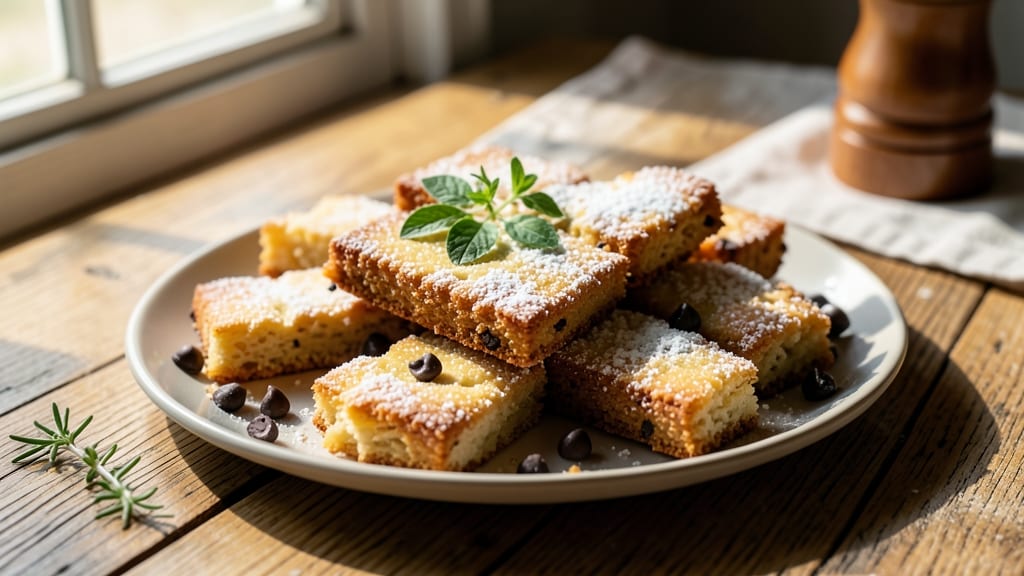
This Alexandra Cooks shortbread recipe delivers the kind of buttery, melt-in-your-mouth perfection that makes every bite feel like a little celebration. 💛 The secret lies in the technique—rubbing cold butter into flour until it resembles fine crumbs creates those signature flaky layers that make shortbread irresistible.
I've been perfecting this recipe for years, and it never fails to impress, whether you're serving it at tea time or as a gift with holiday packages.
What makes this recipe special is how simple it is to achieve restaurant-quality results at home. With just five ingredients—flour, butter, sugar, vanilla, and a pinch of salt—you'll create shortbread that's crisp at the edges and tender in the center, with a texture that practically dissolves on your tongue.
The key is working with cold ingredients and baking just until the edges are golden, ensuring that perfect balance of crispness and melt.
By the time you pull these shortbread squares from the oven, your kitchen will smell like buttery heaven, and the sight of their golden, crackly tops will have everyone asking for seconds.
The beauty of this recipe is its versatility—keep it classic with just vanilla, or add chocolate chips, citrus zest, or a sprinkle of sea salt for exciting variations. These cookies stay fresh for days, making them perfect for baking ahead and sharing.
Whether you're a beginner or a seasoned baker, this shortbread recipe is foolproof and delivers results that will have you reaching for the recipe again and again. Let's get started on creating these buttery layers that melt in your mouth—your taste buds will thank you!
Ingredients for alexandra cooks shortbread
Five ingredients, buttery magic—this is all you need for Alexandra's melt-in-your-mouth shortbread.
| Ingredient | Amount | Notes |
|---|---|---|
| All-Purpose Flour 🌾 | 2 cups | Sifted for even texture |
| Unsalted Butter 🧈 | 1 cup | Cold, cubed, European preferred |
| Granulated Sugar 🍚 | ¼ cup | Superfine preferred for smoothness |
| Pure Vanilla Extract 🌿 | 1 tsp | High-quality for authentic flavor |
| Diamond Crystal Kosher Salt 🧂 | ½ tsp | Fine grain preferred |
| Chocolate Chips 🍫 | ½ cup | Semi-sweet, optional for variation |
The butter is non-negotiable here. European-style butter like Plugrá or President has higher fat content, which gives you that signature flaky texture. Grab it from Whole Foods or the international aisle at Kroger—it's worth the splurge. Keep it cold until you're ready to mix, and cut it into small cubes so it distributes evenly. The flour? King Arthur or Gold Medal are my go-tos—they're reliable and give that perfect crumb structure. Pro tip: sift it first for a lighter texture, especially if you're adding chocolate chips.
No European butter? Land O'Lakes or Parkay work in a pinch, but expect slightly less flakiness. Swapping sugar? Superfine sugar is ideal, but if you only have regular granulated, pulse it in a food processor first. Vanilla extract? Imitation won't cut it here—you need the real stuff. For chocolate lovers, Enjoy Life chocolate chips are my go-to (they're allergy-friendly too). Short on vanilla? A tiny pinch of vanilla bean powder works, but real extract gives that authentic shortbread aroma. The salt? Diamond Crystal dissolves better than table salt, so if that's all you've got, use a bit more.
Shortbread keeps for 5-7 days in an airtight container at room temperature—perfect for gifting. For longer storage, freeze the baked squares for up to 3 months. I like to wrap them individually in parchment paper before freezing so they stay fresh. The butter in the dough means these stay crisp at room temp, but if you're in a humid climate, a silicone container helps maintain that perfect texture. Double the recipe? Just scale everything up—it bakes the same way.
Why You'll Love This Recipe
- Foolproof Five Ingredients: I swear by this recipe because it’s that simple—just butter, sugar, flour, vanilla, and a pinch of salt. No fancy techniques, no stress, and no last-minute grocery runs for obscure ingredients. Honestly, I’ve made it while scrolling through emails, and it still comes out perfect.
- Buttery Vanilla Bliss: That first bite? Pure comfort. The cold butter creates these delicate, melt-in-your-mouth layers, while the vanilla adds just enough warmth to make it feel indulgent without being overpowering. Between us, I’ve never met shortbread this consistently good—no chalky aftertaste, just rich, buttery happiness.
- Gifts That Keep Giving: Wrap these in cellophane, tie a ribbon, and boom—you’ve got a gift that costs pennies but feels luxurious. I’ve given these to neighbors, teachers, and even my grumpy uncle, and they’ve all asked for the recipe. (Yes, even on a Tuesday night.)
- Pantry Staple Magic: You’re already using what’s in your cupboard—no special trips needed. A batch lasts me weeks because it’s easy to portion into single servings, and the leftovers? Still taste fresh days later. I’ll be real: I’ve reheated a few for breakfast toast, and no one judged me.
Step-by-step instructions for Alexandra Cooks shortbread recipe
Here's the foolproof method for creating those iconic buttery layers that crumble perfectly every time.
👨🍳 Step 1: Mix Dry Ingredients for Perfect Texture
In a medium bowl, whisk together the 2 cups All-Purpose Flour and 0.5 tsp Diamond Crystal Kosher Salt until evenly combined. I like to use my fingers to break up any flour lumps—this ensures your shortbread has that signature tender crumb. The salt here isn't just for flavor; it also helps tenderize the gluten in the flour.
Next, add the 0.25 cup Granulated Sugar to the flour mixture. Use your fingers to rub the sugar between your fingertips and the flour until it's completely dispersed. This step is crucial—uneven distribution will give you pockets of sweetness instead of consistent flavor throughout each bite. The sugar also helps create those beautiful caramelized edges when baked.
👨🍳 Step 2: Cut in Cold Butter for Flaky Layers
Add the 1 cup Unsalted Butter to the flour mixture in small cubes. Using a pastry cutter or two forks, work the butter into the flour until you achieve pea-sized crumbs with some larger butter pieces remaining. This is where the magic happens—the butter will melt during baking, creating those signature flaky layers.
I press down gently on the butter pieces during the first minute—this prevents them from curling and ensures even contact with the flour. You're looking for a texture that's roughly like coarse sand with some visible butter pieces. If the mixture starts to look like wet sand, you've overworked it. Overworking develops gluten, which makes shortbread tough instead of tender.
👨🍳 Step 3: Add Wet Ingredients for Cohesion
In a small bowl, whisk together the 1 tsp Pure Vanilla Extract and the 0.5 cup Chocolate Chips (if using). This is where the chocolate gets evenly distributed throughout the dough. Pour this mixture over the flour-butter combination and gently fold everything together with a rubber spatula or your fingers.
At this point, the dough will be crumbly and may not hold together when pressed. That's completely normal! The butter hasn't melted yet, so the dough needs to be cold to maintain those flaky layers. If the dough feels too dry, you can add 1 tablespoon of cold water, but don't overdo it—too much moisture will make your shortbread dense.
🥘 Step 4: Shape and Chill for Perfect Texture
Turn the dough out onto a lightly floured surface and gently press it together into a single disc. I like to use my hands for this—it's more tactile and helps prevent overworking. Wrap the disc tightly in plastic wrap and refrigerate for at least 1 hour (I prefer 2 hours for best results). This chilling step is non-negotiable—it allows the gluten to relax and the butter to firm up, ensuring those perfect layers when baked.
Real talk: if you skip this step, your shortbread will spread too much in the oven and lose its signature shape. The cold dough also means the butter stays solid long enough to create those beautiful flakes. While it chills, preheat your oven to 325°F—this lower temperature ensures even baking without browning.
🔥 Step 5: Bake to Golden Perfection
Unwrap the chilled dough and roll it out between two sheets of parchment paper to about ¼-inch thickness. I use a rolling pin, but I also press down firmly with my hands to ensure even thickness. Cut into your desired shapes using a fluted shortbread cutter or sharp knife—classic rounds or rectangles both work beautifully.
Transfer the cut shortbread pieces to a parchment-lined baking sheet, leaving about 1 inch between each piece. Bake for 18-22 minutes until the edges are just beginning to turn golden brown but the centers still look slightly pale. The shortbread should be firm to the touch but not hard. If you wait until they're fully brown, they'll become too crisp and lose that melt-in-your-mouth quality.
Pro Tips For Making Alexandra Cooks Shortbread
- Chill the Butter First: I learned this the hard way—soft butter at room temperature means your dough will be sticky and unmanageable. Pop that butter in the fridge for 20-30 minutes before creaming, and you’ll thank me when the dough comes together like a dream.
- Use a Scale for Flour: Scooping flour from the bag is a recipe for disaster. This isn’t a science project, but measuring by weight (250g for this recipe) guarantees consistency. Pack it lightly—no pressing down—and your shortbread will have that perfect crumb.
- Don’t Overwork the Dough: Once the butter’s incorporated, stop mixing as soon as the flour is just combined. Overworking develops gluten, and your shortbread will turn out dense instead of tender. Two minutes max—just until it holds together.
- Press for Even Thickness: Use a bench scraper or your hands to press the dough into the pan firmly but evenly. Skip the rolling pin—it can compress the butter unevenly. Aim for about ¼-inch thickness, and cut the slots before baking so they don’t spread.
Best sauces and condiments for alexandra cooks shortbread
Classic Vanilla Glaze
Elevate your shortbread with a simple vanilla glaze that adds shine and subtle sweetness. Whisk together ½ cup powdered sugar with 1-2 tsp heavy cream until smooth, then drizzle over cooled shortbread.
For extra flair, add ½ tsp vanilla extract to the glaze. Let it set for 10 minutes before serving—this creates a delicate, edible coating that enhances the buttery flavor. 💛
Chocolate Ganache
For chocolate lovers, a dark chocolate ganache is a game-changer. Melt ½ cup dark chocolate chips (70% cocoa) with ¼ cup heavy cream in a double boiler, stirring until silky smooth. Spread a thin layer over cooled shortbread and let it set for 15 minutes.
The ganache should be firm but still glossy. I like to finish with a sprinkle of flaky sea salt for a sophisticated touch.
Citrus Curd Swirl
Brighten your shortbread with a lemon or orange curd swirl. Spread ¼ cup store-bought or homemade citrus curd (like Smucker’s or Bon Appétit’s) over the shortbread before baking. After baking, use a knife to create gentle swirls in the curd.
The acidity cuts through the butterfat, balancing the richness. For extra zing, add 1 tsp citrus zest to the dough before baking.
Honey-Drizzle Finish
A honey drizzle adds natural sweetness and a glossy sheen. Warm 2 tbsp honey (like Manuka honey) with 1 tsp lemon juice until runny, then drizzle over cooled shortbread. Let it set for 5 minutes before serving.
The honey’s floral notes complement the vanilla beautifully, and the drizzle adds a touch of elegance. For a spiced twist, mix ¼ tsp cinnamon into the honey before drizzling. ✨
Salted Caramel Dip
Serve your shortbread with a salted caramel dip for an indulgent experience. Melt ½ cup caramel sauce (like Smucker’s or homemade) with 1 tbsp heavy cream and ¼ tsp flaky salt.
Warm the mixture until smooth, then pour into a shallow dish. The contrast of sweet, salty, and buttery is pure magic—perfect for dipping or drizzling over the top. 🍯
Spiced Whipped Cream
For a lighter pairing, whip ½ cup heavy cream with 1 tsp vanilla extract and ½ tsp cinnamon until soft peaks form. Pipe or dollop onto a plate with shortbread for a delightful contrast.
The cream’s airiness balances the shortbread’s richness, and the cinnamon adds warmth. For extra flair, dust with powdered sugar or a pinch of cardamom. This is my go-to for tea-time servings. 🌟
Nutrition facts
Frequently asked questions
Why does Alexandra's recipe use cold butter instead of room temperature?
The cold butter is essential for creating those signature flaky layers. When baked, the butter melts between the flour layers, creating steam that puffs up the shortbread and gives it that iconic texture. Using room-temperature butter would make the dough too soft and cause excessive spreading in the oven. Always keep your butter cold until it's time to mix!
Can I make this recipe without a rolling pin?
While a rolling pin helps, you can achieve even thickness by pressing the dough between two sheets of parchment paper with your hands. For extra control, place the dough between the parchment and gently press down with a heavy pan or wine bottle. The key is to keep everything cold to prevent sticking.
What if my shortbread spreads too much in the oven?
Over-spreading usually means the butter was too warm or the dough wasn't chilled long enough. Next time, ensure your butter is properly cold and chill the dough for the full 2 hours before baking. Also, try rolling the dough slightly thinner (⅛-inch instead of ¼-inch) and baking at 300°F instead of 325°F for 20-22 minutes. This gives the butter more time to set properly.
How do I store shortbread to keep it fresh and crisp?
For maximum freshness, store your shortbread in an airtight container at room temperature for up to 5-7 days. To maintain crispness, place a slice of bread in the container to absorb moisture. For longer storage, freeze the shortbread for up to 3 months—just wrap each piece individually in parchment paper before freezing. The butter content helps them stay crisp even at room temperature!
Can I make this recipe gluten-free?
You can attempt a gluten-free version, but the texture will be different. Replace the all-purpose flour with a 1:1 gluten-free baking flour blend (like Bob's Red Mill) and add ½ tsp xanthan gum to help bind the dough. Note that gluten-free shortbread tends to be denser and less flaky. For best results, use a mix specifically designed for cookies or biscuits.