
Side Dishes
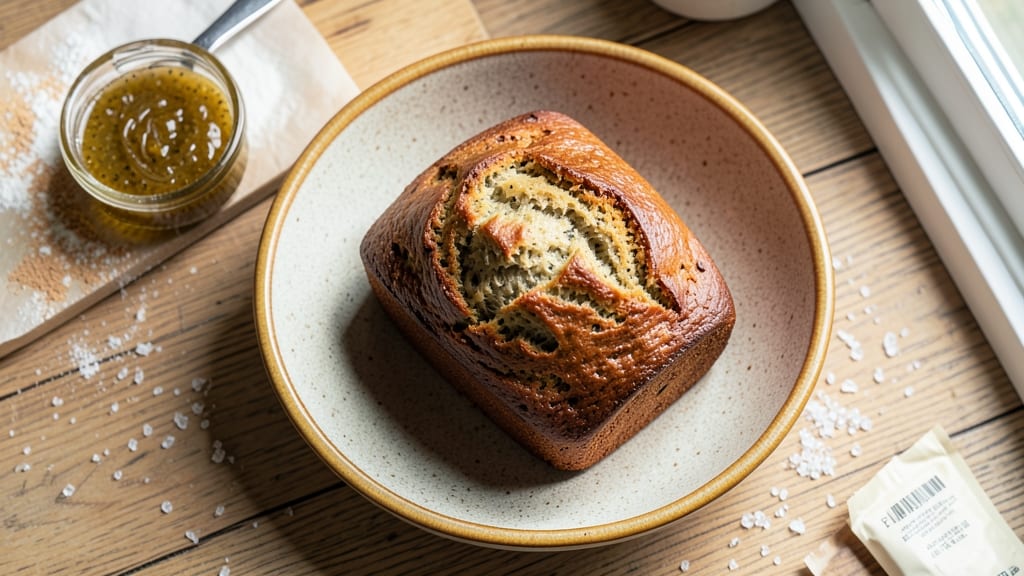
This almond flax bread recipe transforms simple pantry staples into a loaf with a nutty crunch and soft interior—perfect for vegan diets or anyone craving wholesome texture.
The secret lies in flaxseed as an egg substitute, binding the dough while adding fiber, while almond flour creates that signature tender yet sturdy crumb. I developed this recipe after struggling to find a vegan bread that didn't crumble or taste like cardboard, and the results speak for themselves.
The beauty of this recipe is its versatility—whether you prefer a light, airy loaf or a denser, heartier texture, small adjustments to the flour ratio and proofing time make all the difference.
The dough comes together in under 10 minutes, with no kneading required, and bakes to golden perfection in about 45 minutes. No special equipment needed beyond a loaf pan and your patience for the proofing stage.
What you'll end up with is a loaf that's ideal for toasting with avocado, spreading with jam, or using as a sturdy base for sandwiches. The almond flavor shines through without overpowering, while the flaxseed adds a subtle earthiness that pairs beautifully with both sweet and savory toppings.
The best part? This bread stays fresh for days, making it perfect for meal prep.
For those who love customization, you can easily swap in other nut flours or seeds—just be mindful of how they affect moisture and texture. Let's get started on creating your perfect loaf!
Ingredients for almond flax bread
Pantry staples meet plant-based magic for a loaf that’s nutty, soft, and utterly addictive.
| Ingredient | Amount | Notes |
|---|---|---|
| Ground Flaxseed 🌾 | 3 tbsp | Mixed with water for egg substitute |
| Water 💧 | 9 tbsp | For flax egg mixture |
| Almond Flour 🌰 | 2 ½ cups | Blanched, fine grind preferred |
| All-Purpose Flour 🌾 | ½ cup | For structural balance |
| Granulated Sugar 🍚 | ¼ cup | Or coconut sugar for refined option |
| Active Dry Yeast 🍞 | 1 tsp | Ensure freshness with date check |
| Salt 🧂 | 1 tsp | Fine sea salt preferred |
| Olive Oil 🫒 | ¼ cup | Extra-virgin for richness |
| Apple Cider Vinegar 🍏 | 1 tbsp | For dough activation |
| Baking Powder 🍞 | 1 tsp | Aluminum-free preferred |
| Chia Seeds 🌱 | 1 tbsp | Optional for extra fiber |
| Maple Syrup 🍁 | 1 tbsp | For subtle sweetness |
The almond flour is non-negotiable here—Bob’s Red Mill or Anthony’s Goods are my go-tos for that ultra-fine grind that gives this bread its signature tender crumb. If you’re new to almond flour, grab the blanched kind (not the whole almond kind)—it’s more consistent in texture. For the flaxseed, Bob’s Red Mill again is my favorite; it’s finely ground and mixes perfectly with water to create that egg substitute. The yeast? Fresh is key—check the date on the package, and if it’s been sitting in your pantry for months, toss it. A quick test: drop a pinch in warm water with a pinch of sugar—if it bubbles within 5 minutes, it’s still active.
No almond flour? Cashew flour or hazelnut flour works in a pinch, but the flavor and texture will shift slightly. Short on flaxseed? Chia seeds at double the amount (2 tbsp chia + 6 tbsp water) will do the trick, though the texture might be a tad denser. The apple cider vinegar can be swapped for lemon juice or white vinegar, but ACV adds a subtle tang that pairs beautifully with the almond flavor. For the sugar, coconut sugar or date sugar are great 1:1 swaps if you’re avoiding refined sweeteners. The chia seeds are totally optional, but they add a nice crunch and extra fiber—worth the little effort if you’ve got them.
This dough is a dream to work with—no kneading, just mix and let it do its thing. Proof the dough in a warm place (like a turned-off oven with the light on) for about 1 hour, or until it’s puffed and jiggly when you poke it. The baked loaf keeps beautifully for 4-5 days at room temperature, wrapped in a clean kitchen towel, or 1 week in the fridge. For longer storage, slice and freeze—it reheats perfectly in a toaster or oven. The best part? It only gets better with age, developing deeper almond flavor as it sits.
Why You'll Love This Recipe
- No-Fuss Mix-In: I swear by the flax "egg" trick—just mix ground flaxseed with water, let it sit, and boom, you’ve replaced eggs without the hassle. The almond flour gives it that nutty depth, but the all-purpose keeps it familiar and easy to shape.
- Sweet Crust, Soft Core: That caramelized sugar crust? Chef’s kiss. The almond flour adds buttery richness, while the flaxseed keeps it moist—like a cross between a scone and a cinnamon roll, but with none of the fuss.
- Breakfast or Snack Star: I make a batch on Sundays and it lasts all week—toast it for breakfast, pack slices for lunch, or even use it for French toast. The sugar keeps it sweet enough for dessert, but the flaxseed grounds it so it’s not cloying.
- Budget-Friendly Staple: Almond flour can be pricey, but this recipe stretches it with all-purpose flour, and the flaxseed adds fiber without breaking the bank. A single loaf feeds my family for days, and the leftovers? Perfect for quick toast or sandwiches.
Step-by-step instructions for almond flax bread
This nutty, tender loaf combines the best of both worlds—crispy crust and moist interior—with just a few key techniques.
Create the Flax Egg Mixture
In a small bowl, whisk together the 3 tbsp ground flaxseed and 9 tbsp water. Let it sit for 5 minutes while you prepare the other ingredients—this gives the flaxseed time to fully gel into a thick, egg-like consistency. You'll know it's ready when the mixture becomes gelatinous and slightly sticky, resembling raw egg whites. This flax "egg" acts as a binder and adds moisture without the heaviness of traditional eggs.
I like to use a fork for this step because it helps break up any clumps that might form. If you're in a hurry, you can microwave the mixture for 15 seconds to speed up the gelling process, but the room-temperature method yields the best texture. Set this mixture aside—it's the secret to our bread's tender crumb.
Activate the Yeast and Mix Wet Ingredients
In the bowl of a stand mixer fitted with the paddle attachment, combine the 2.5 cups almond flour, 0.5 cup all-purpose flour, 1 tsp active dry yeast, 1 tsp salt, 1 tsp baking powder, 1 tbsp chia seeds, and 1 tbsp maple syrup. Mix on low speed for 1 minute to distribute the dry ingredients evenly. The yeast should be fully incorporated into the almond flour—this prevents pockets of unmixed flour that can lead to dense spots in your bread.
In a separate small bowl, whisk together the 0.25 cup olive oil, 1 tbsp apple cider vinegar, and the flax egg mixture. The vinegar adds a subtle tang that balances the sweetness of the maple syrup while also helping to activate the yeast. Pour these wet ingredients into the dry mixture and mix on low speed for 2 minutes until just combined. You want the dough to come together but not become overly sticky—if it's too dry, add 1 tbsp water at a time until it holds together when pressed.
Knead and Rest the Dough
Switch your mixer to the dough hook attachment and knead the dough for 3-4 minutes on medium speed. The dough should pull away from the sides of the bowl and form a smooth, slightly tacky ball. If it's too sticky to handle, wet your hands slightly before shaping it. Almond flour dough behaves differently than traditional wheat flour dough—it's more fragile, so handle it gently to avoid overworking it, which can lead to a tough texture.
Transfer the dough to a lightly oiled bowl, cover it with a damp kitchen towel, and let it rise in a warm place for 1-2 hours, or until it has nearly doubled in size. The dough should feel light and springy when pressed gently. I like to place my oven on low heat (170°F) with a bowl of hot water inside to create a warm, humid environment—this helps the yeast activate more quickly and evenly. If your kitchen is cool, this method makes all the difference.
Shape and Proof the Loaf
Once the dough has risen, gently punch it down to release any air bubbles, then transfer it to a lightly floured surface. Shape the dough into a 9x5-inch loaf pan, pressing it down lightly to fill the pan evenly. The edges should be smooth, but don't worry if the top looks uneven—this bread is forgiving. Brush the top of the dough with a little olive oil and sprinkle with a pinch of salt to enhance browning and flavor.
Cover the loaf pan with a damp towel and let it proof for another 30-45 minutes until it rises about 1 inch above the rim of the pan. The dough should feel firm but still slightly springy to the touch. Preheat your oven to 350°F while the dough proofs—this ensures your oven is fully heated and ready for baking when the time comes. The proofing stage is crucial for developing that soft, airy interior we're after.
Bake to Golden Perfection
Bake the loaf for 45-50 minutes, or until the top is golden brown and a toothpick inserted into the center comes out clean. The bread should have a crisp crust with a tender, slightly nutty interior. If the top browns too quickly, tent the loaf with aluminum foil after 20 minutes to prevent over-browning while the center finishes cooking.
Remove the bread from the oven and let it cool in the pan for 10 minutes, then transfer it to a wire rack to cool completely. This resting period allows the bread to set and prevents it from becoming gummy. Slice it while still warm for the best texture—each slice should reveal a moist, crumbly interior with a satisfying crunch on the outside. Store any leftovers wrapped in a bread bag at room temperature for up to 3 days, or freeze for up to 3 months for freshness.
Pro Tips For Making Almond Flax Bread
- Mix the Flax First: Combine ground flaxseed and water before adding anything else—let it sit for 5 minutes to thicken into a gel. I used to skip this, and my bread turned out dense and gummy. That little wait makes all the difference in texture.
- Toast the Almond Flour: Dry-toast the almond flour in a 350°F oven for 8–10 minutes before mixing. The nutty aroma deepens, and it prevents that "raw flour" taste. (Yes, even if you’re impatient—just set a timer.)
- Don’t Overmix the Dough: Stir the wet and dry ingredients just until combined—lumpy is fine. Overworking it turns the bread tough, and this recipe isn’t forgiving. Think "fold once, stop" rather than "beat like cookie dough."
- Use a Thermometer for Sugar: If your bread tastes underbaked or bland, your oven’s "350°F" might be off. Test it with a thermometer—almond flour burns easily, and sugar caramelizes unpredictably. Aim for 325°F for even baking.
Wine and beer pairings for this dish
White Wine Pairings
For this nutty, vegan loaf, I reach for dry Riesling—its crisp acidity and subtle fruitiness cut through the almond richness without overpowering. A German or Alsatian Riesling with 12-13% ABV works beautifully, especially if it has a hint of citrus or green apple.
The slight sweetness in some Rieslings also complements the maple syrup notes in the bread. 🍷
Another fantastic option is Sauvignon Blanc from New Zealand or Loire Valley. Look for one with 12.5% ABV and bright herbal notes—it mirrors the bread's earthy flaxseed while keeping the palate fresh. Avoid overly oaky whites like Chardonnay, as they'll clash with the bread's delicate texture.
Light Beer Pairings
A crisp Belgian witbier is my go-to beer pairing—its coriander and citrus flavors dance with the almond and flaxseed notes. Try Hoegaarden or Stella Artois (the Belgian version) with 5% ABV for a refreshing contrast. The effervescence also cleanses the palate between bites of the dense yet tender crumb.
For a local option, American pale ale with 4.5-5.5% ABV works well if you prefer hoppy flavors. Choose one with citrus or pine notes (like Deschutes Mirror Pond) to complement the bread's nutty profile without competing. Avoid heavy IPAs—they'll overpower the bread's delicate sweetness.
Sweet Wine Contrasts
If you're serving this bread with jam or honey, a dry sparkling rosé with 11-12% ABV elevates the pairing. The berry notes in the wine mirror fruit spreads while the bubbles keep the meal light. Prosecco or Spanish Cava are my top picks for this occasion.
For dessert-style pairings, Moscato d'Asti (5-6% ABV) adds a playful contrast. Its light sweetness and floral aroma enhance the bread's nutty depth without overwhelming it. Serve chilled for the best experience.
Non-Alcoholic Options
For a refreshing non-alcoholic match, try sparkling apple cider with 0.5% ABV or less. The effervescence and tartness complement the bread's texture and sweetness beautifully. Martinelli's or Woodchuck brands work perfectly.
Herbal iced teas like hibiscus or mint (chilled) also pair wonderfully. The floral notes enhance the almond flavor while the acidity balances the bread's richness. Brew a strong batch and serve over ice for the best results. 💚
Nutrition facts
Frequently asked questions
Can I make this almond flax bread without a stand mixer?
This dough comes together perfectly by hand. Mix the dry ingredients in a large bowl, then stir in the wet ingredients with a wooden spoon or spatula until just combined. For kneading, turn the dough onto a lightly floured surface and gently fold it over itself for about 5 minutes until smooth. The dough is fragile, so handle it gently to avoid overworking.
Why did my bread turn out dense instead of light and airy?
Dense bread usually happens when the yeast isn't activated properly or the dough doesn't proof long enough. Make sure your yeast is fresh (test it in warm water with sugar—it should bubble within 5 minutes) and that your proofing environment is warm (75-80°F). If your kitchen is cool, try proofing near a warm oven with a bowl of hot water inside. Also, ensure you're using active dry yeast, not instant yeast, unless the recipe specifies otherwise.
Can I substitute other nut flours for almond flour?
Yes, but the flavor and texture will change. Cashew flour works best as a 1:1 substitute—it's mild and creates a similar tender crumb. Hazelnut flour adds a richer, slightly bitter note, while walnut flour gives a deeper earthiness. For a lighter texture, mix half almond flour with half cashew flour. Just be aware that other nut flours may require slightly more liquid in the dough.
How can I make this bread gluten-free?
Replace the all-purpose flour with a 1:1 gluten-free baking flour blend (like Bob's Red Mill 1-to-1) and add 1 tsp xanthan gum to help bind the dough. You may need to adjust the liquid slightly—start with the recipe as written, then add 1 tbsp water at a time if the dough seems too dry. Gluten-free versions tend to be denser, so expect a slightly different texture. Always check your blend's instructions for specific guidance.
Can I add seeds or nuts to this recipe?
Stir in 1/4 cup chopped walnuts, pecans, or pumpkin seeds with the chia seeds for extra crunch. For a sweeter version, try 1/4 cup sunflower seeds or hemp seeds. Just be mindful of moisture—if adding seeds, reduce the liquid by 1 tbsp to maintain the right consistency. Toast the seeds or nuts first for enhanced flavor!