
Side Dishes
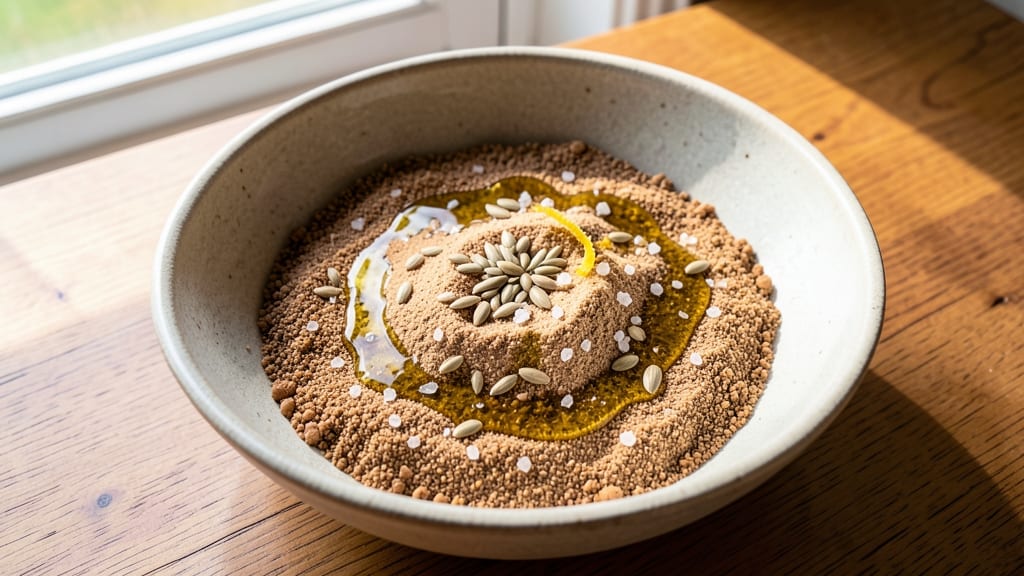
This almond flour unleavened bread delivers the perfect balance of nutty crunch and soft interior without yeast or gluten. A staple in Middle Eastern and Indian cuisines, this recipe transforms simple ingredients into a naturally dense, flavorful loaf that pairs beautifully with soups, stews, or as a base for sandwiches.
The secret lies in precise hydration and gentle handling—no kneading required.
What makes this recipe stand out is its foolproof technique for achieving the ideal texture: tender yet sturdy enough to hold up to dipping. With just 5 key ingredients—almond flour, psyllium husk, water, olive oil, and a pinch of salt—you’ll create a bread that’s rich in flavor and nutrients.
The psyllium husk acts as a natural binder, mimicking gluten’s structure while keeping the bread light on digestion.
Baking at 350°F for 35-40 minutes yields a golden-brown crust with a soft, slightly chewy center that’s impossible to resist. The almond flour infuses every bite with a delicate nuttiness, while the olive oil adds a subtle richness.
This bread stays fresh for up to 5 days when stored properly, making it a perfect make-ahead option for meal prep.
For added depth, consider incorporating sunflower seeds, flaxseeds, or dried herbs into the dough before baking. Serve warm with hummus, olive oil, or as a side to hearty meals.
The versatility of this recipe ensures it’s as practical as it is delicious—ready in under an hour, with no special equipment needed.
Ingredients for almond flour unleavened bread
Five essential ingredients transform into a naturally gluten-free loaf with perfect nutty crunch and soft heart.
| Ingredient | Amount | Notes |
|---|---|---|
| Superfine Almond Flour 🌰 | 2 ½ cups | Blanched, finely ground preferred |
| Psyllium Husk Powder 🌿 | 2 tbsp | Organic, unsweetened variety |
| Extra-Virgin Olive Oil 🫒 | ½ cup | Cold-pressed, fruity aroma |
| Filtered Water 💧 | ¾ cup | Room temperature preferred |
| Fine Sea Salt 🧂 | ½ tsp | Diamond Crystal preferred |
| Sunflower Seeds 🌻 | ¼ cup | Toasted for added crunch |
| Flaxseeds 🌾 | ⅛ cup | Ground for nutty depth |
| Dried Rosemary 🌿 | 1 tsp | Crushed between fingers |
| Ground Cinnamon 🌶️ | ½ tsp | Optional, for warmth |
The almond flour is the foundation—blanched and superfine ensures optimal texture and flavor. Bob's Red Mill or Anthony's Goods are reliable brands for consistent quality. Psyllium husk acts as the gluten substitute, so measure precisely—too much creates a gummy texture, too little weakens structure. For the olive oil, California-based brands like Corto or Colavita deliver the fruity notes that elevate this bread. Sunflower seeds and flaxseeds are optional but add delightful texture contrast—toast them separately for enhanced flavor.
No psyllium husk? Chia seeds at double the amount work in a pinch, though texture will differ slightly. Substitute sunflower seeds with pumpkin seeds or chopped walnuts for variety. For a more aromatic profile, dried thyme or oregano can replace rosemary. The olive oil can be swapped for avocado oil if preferred, though flavor will be subtly different. If your almond flour is coarse, pulse it briefly in a food processor to ensure even mixing.
This bread requires no refrigeration—simply wrap tightly in parchment and store at room temperature for 5 days. For longer storage, freeze in slices for up to 3 months. Reheat in a 350°F oven for 5-7 minutes to restore freshness. The psyllium-based dough is sensitive to overmixing, so handle gently during shaping. For best results, let the dough rest for 10 minutes before baking to allow the psyllium to fully activate.
Why You'll Love This Recipe
- No Fuss, No Yeast: I swear by this for days I’m too tired to wait—just mix, shape, and bake. The psyllium husk does all the heavy lifting, so no kneading, no rising, no stress.
- Rich Nutty Crunch: That first bite? Pure satisfaction—the almond flour gives it a delicate crunch, while the olive oil keeps it tender. Honestly, it’s the kind of bread that makes me pause mid-slice.
- Meal Prep MVP: I make a double batch on Sundays—it stays fresh for days, perfect for sandwiches or dipping in hummus. (Yes, even on a Tuesday night.)
- Budget-Friendly Luxury: Superfine almond flour might sound fancy, but a little goes a long way here. Plus, no wasted crusts—every bite is worth the few dollars it costs. My wallet and my taste buds thank me.
Step-by-step instructions for almond flour unleavened bread
This method delivers a tender crumb with nutty depth and subtle warmth—no yeast required.
Combine Dry Ingredients with Precision
In a large mixing bowl, whisk together the 2.5 cups superfine almond flour and 2 tablespoons psyllium husk powder until evenly distributed. The psyllium acts as a natural binder, creating that signature soft yet sturdy texture. I use a whisk for this step to break up any potential clumps in the almond flour—this ensures uniform moisture distribution later.
Next, add the 0.5 teaspoon fine sea salt, 1 teaspoon dried rosemary (crushed between your fingers for maximum aroma), and 0.5 teaspoon ground cinnamon. Mix thoroughly until the spices are evenly dispersed throughout the almond flour. The cinnamon adds subtle warmth that complements the nutty base, while the rosemary provides an earthy depth. I like to smell the mixture at this stage—it should have a fresh, herbal aroma with a hint of cinnamon's sweetness.
Incorporate Wet Ingredients for Perfect Texture
Create a well in the center of your dry mixture and pour in the 0.5 cup extra-virgin olive oil. Using a sturdy spatula, gently fold the oil into the almond flour until you achieve a coarse crumb texture. This step is crucial—you want to avoid overmixing, which can develop gluten and make the bread dense. The olive oil not only adds moisture but also contributes to that rich, fruity flavor that carries through the finished loaf.
In a separate small bowl, combine the 0.75 cup filtered water with the 0.25 cup sunflower seeds and 0.125 cup flaxseeds. Let this mixture sit for 5 minutes while you work with the dry ingredients. The seeds will begin to soften slightly, which helps distribute their nutty flavors more evenly throughout the bread. The water should be at room temperature—cold water can make the dough too stiff, while hot water might activate the psyllium too quickly.
Form the Dough and Achieve Uniform Density
Pour the water-seed mixture into the almond flour blend and stir gently with your spatula until everything comes together. You'll notice the dough becomes sticky and slightly wet—this is normal. The psyllium husk powder will begin to absorb moisture and create a gel-like consistency that binds the mixture. Work quickly but carefully to combine all the ingredients without overmixing.
Once fully incorporated, transfer the dough to a lightly oiled silicone baking mat or parchment paper. Using wet hands (to prevent sticking), shape the dough into a 9x5-inch loaf pan by pressing it firmly and evenly into the bottom. The dough should be compact but not forced—it should hold its shape when you lift the pan. If it feels too crumbly, add 1-2 teaspoons more water and knead gently until cohesive. The goal is to create a smooth, even surface that will bake uniformly.
Bake to Golden Perfection with Controlled Heat
Preheat your oven to 350°F and place a small baking dish filled with 1 cup hot water on the lower rack. This creates steam during the initial baking phase, which helps develop that beautiful crust while keeping the interior moist. The water should be boiling hot when you place it in the oven—this ensures maximum steam generation.
Bake the loaf for 35-40 minutes, rotating the pan halfway through if your oven has hot spots. You'll know it's done when the top is golden brown and the internal temperature reaches 205°F at the center (measured with an instant-read thermometer). The bread should spring back slightly when pressed gently with your finger—it should feel firm but still tender. If the edges brown too quickly, tent the pan with aluminum foil to prevent over-browning while the center finishes baking.
Rest and Slice for Optimal Texture
Remove the bread from the oven and let it cool in the pan for 10 minutes. This resting period allows the internal structure to set slightly, making it easier to slice without crumbling. After the initial rest, transfer the loaf to a wire rack and let it cool completely for another 20-30 minutes. Patience here is key—the bread will continue to firm up as it cools, resulting in cleaner slices and better texture.
Slice the bread with a sharp serrated knife for clean cuts. Each slice should reveal a tender crumb with visible flecks of sunflower and flaxseeds throughout. The exterior should have a subtle golden crust with a slightly crisp texture, while the interior remains soft and moist. Store any leftovers in an airtight container at room temperature for up to 3 days, or freeze for longer storage. This bread pairs beautifully with soups, spreads, or simply enjoyed on its own with a drizzle of olive oil.
Pro Tips For Making Almond Flour Unleavened Bread
- Mix Psyllium Slowly: I learned this the hard way—dumping all the psyllium husk powder at once creates clumps that never dissolve, no matter how much you stir. Instead, whisk it into the water first, then gradually fold it into the almond flour while mixing. The dough should come together like wet sand, not gluey or dry.
- Use Room-Temp Water: Cold water makes the psyllium husk powder sluggish, and your dough will turn out dense. Let the filtered water sit out for 10 minutes before mixing—it’s a tiny detail, but it guarantees a lighter, more tender crumb. (Yes, even if you’re impatient like me.)
- Skip the Overmixing: The moment the dough pulls away from the bowl’s sides and holds together, stop stirring. Overworking it develops gluten-like tension in the almond flour, and your bread will end up tough instead of tender. Think "just combined," not "fully elastic."
- Preheat Pan And Oven: This isn’t just about the oven—get your cast-iron or baking stone screaming hot (425°F) and let the pan sit inside for 10 minutes before shaping the dough. The residual heat helps the bottom set instantly, preventing a gummy texture. (Your future self will thank you.)
Flavor customization for these flavors
Herbal Infusions
Swap the rosemary for dried thyme, oregano, or savory to create distinct regional flavors. For a Mediterranean twist, use 1 tsp dried oregano—it adds a bright, slightly bitter note that pairs beautifully with olive oil.
For a Middle Eastern-inspired loaf, try 1 tsp ground sumac and ½ tsp dried mint—the tangy citrusy punch elevates the nutty base. I’ve found that crushed bay leaves (removed before baking) infuse a subtle depth that works surprisingly well with the almond flour’s natural sweetness. 🌿
Spiced Warmth
Boost the warmth with cinnamon, cardamom, or smoked paprika. A ½ tsp ground cardamom adds floral complexity that’s perfect for breakfast loaves, while ½ tsp smoked paprika lends a subtle BBQ-like depth ideal for sandwich bread.
For a dessert twist, add ½ tsp vanilla extract to the wet ingredients—it enhances the almond flavor without overpowering. I love using 1 tsp pumpkin pie spice (cinnamon, nutmeg, cloves) for a cozy autumnal vibe. 🌶️
Citrus Zest Brightness
Zest 1 lemon or orange directly into the dry ingredients for a refreshing lift. The citrus oils brighten the nutty flavors and cut through the richness of the olive oil. For a more pronounced effect, add 1 tsp lemon zest and ½ tsp lemon juice to the wet ingredients.
I’ve also experimented with 1 tsp dried orange peel powder (available at specialty stores)—it adds a sweet, floral note that’s perfect for pairing with hummus or tapenade. 🍊
Sweet Enhancements
For a lightly sweetened loaf, stir in 2 tbsp maple syrup or honey with the wet ingredients. The natural sweetness complements the almond flour’s nuttiness without making the bread cloying.
For a dessert version, fold in ¼ cup chopped dried figs or dates—they caramelize slightly during baking, adding pockets of jammy sweetness. I’ve also had success with 1 tsp vanilla bean paste for a richer, more aromatic sweetness. 🍯
Crunchy Add-Ins
Swap the sunflower and flaxseeds for toasted pine nuts, chopped walnuts, or sesame seeds for texture contrast. Toast the nuts separately until fragrant—this amplifies their flavor. For a savory crunch, try ½ cup crispy fried shallots (available at Asian markets) or 2 tbsp nutritional yeast for a cheesy, umami depth.
I often add 1 tbsp sesame seeds for a subtle Asian-inspired touch that pairs wonderfully with miso or peanut butter. 🌻
Global Variations
Transform this bread into Middle Eastern khobz by adding 1 tsp ground coriander and ½ tsp cumin, then shaping into small rounds.
For an Indian roti-inspired version, replace the olive oil with 2 tbsp ghee and add ½ tsp turmeric—the earthy spice gives it a golden hue and warm flavor.
For a Mexican-style bolillo, mix in ½ tsp chili powder and ¼ tsp cumin, then bake in a round shape for soft, pillowy slices. Each variation keeps the core technique intact while adapting to cultural flavors. 🗺️
Nutrition facts
Frequently asked questions
Why does this almond flour bread need psyllium husk?
The psyllium husk acts as a natural gluten substitute, creating that signature soft yet sturdy texture. Without it, the bread would crumble—it binds the almond flour while absorbing moisture to form a gel-like structure. Think of it as the "glue" that holds everything together without needing yeast.
Can I make this bread without a loaf pan?
Shape the dough into a round flatbread (about ½-inch thick) on parchment paper and bake for 15-20 minutes at 350°F. For a free-form loaf, press it into a mound on a baking sheet lined with parchment. Just reduce baking time by 5-10 minutes since it won't need as long to cook through.
What if my dough feels too crumbly?
Add 1-2 teaspoons more water and mix gently until just combined. Overmixing develops gluten, so stop as soon as it holds together. If it's still too dry, let it rest for 5 minutes—the psyllium will absorb more moisture naturally. The dough should feel slightly sticky but cohesive, like wet sand.
How do I store leftovers to keep them fresh?
Wrap tightly in parchment paper or store in an airtight container at room temperature for up to 5 days. For longer storage, slice and freeze for 3 months. Reheat frozen slices in a 350°F oven for 5-7 minutes to restore crispness. The psyllium helps maintain moisture, but toasting slices briefly revives texture.
Can I substitute almond flour with other nut flours?
Yes, but texture may vary. Try cashew or hazelnut flour in equal amounts, though almond flour's mild sweetness and fine texture work best. For a seed-based option, use sunflower seed flour (1:1 ratio), but expect a denser result. Always sift nut flours to prevent grittiness.