
Side Dishes
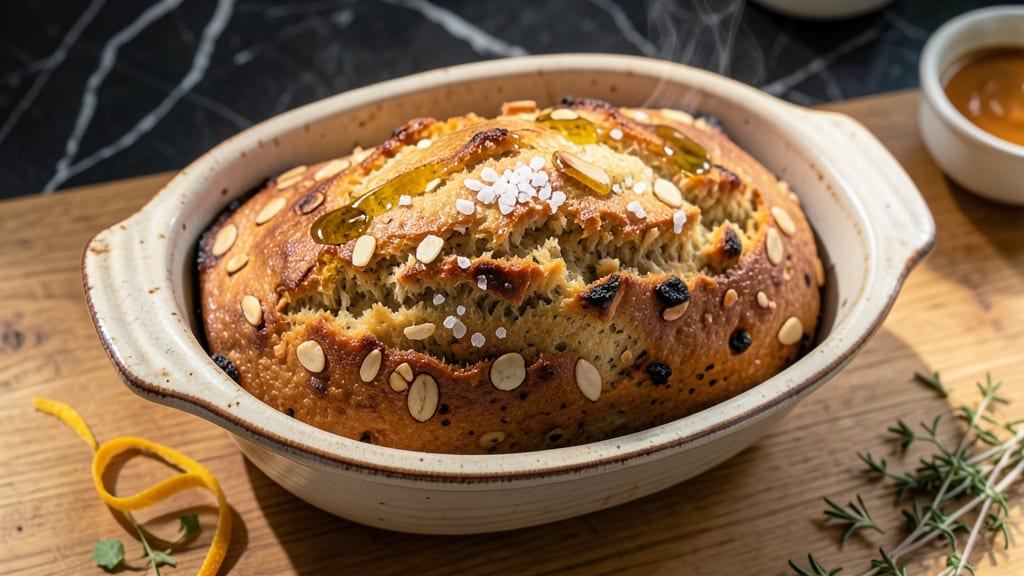
This almond pulp bread recipe transforms humble almond pulp—a byproduct of almond milk production—into a nutty, textured loaf with a satisfying crunch and tender crumb.
The secret lies in balancing almond pulp's natural moisture with precise flour ratios to create a bread that's both sturdy and delicate, perfect for vegans or anyone seeking a nutty twist on classic bread.
I developed this recipe after discovering how almond pulp could replace traditional breadcrumbs in recipes, and the results were unexpectedly impressive.
The process begins with a simple dough that combines almond pulp with flour, yeast, and a touch of honey or maple syrup for natural sweetness.
Unlike regular bread dough, this version requires a slightly longer kneading time to fully incorporate the almond pulp, which can be dry or sticky depending on the batch.
Once proofed, the dough rises beautifully, yielding a loaf with a golden crust and an interior speckled with tiny almond flecks that add both texture and flavor.
Baking at 350°F for 30-35 minutes ensures a crisp exterior and a soft, slightly chewy interior with pockets of airiness. The almond pulp contributes a subtle sweetness and nutty depth, making this bread ideal for toast, sandwiches, or served alongside soups and stews.
For extra flavor, consider adding seeds like sesame or flax, or a sprinkle of herbs like rosemary or thyme before baking.
What sets this recipe apart is its versatility—use it as a base for croutons, breadcrumbs, or even as a side dish on its own. The almond pulp not only enhances the bread's texture but also makes it a sustainable choice by repurposing a food industry byproduct.
Let's get started on creating a loaf that's as rewarding to make as it is delicious to eat.
Ingredients for almond pulp bread
Transform almond pulp's natural moisture into a nutty, textured loaf with these precise ingredients.
| Ingredient | Amount | Notes |
|---|---|---|
| Almond Pulp 🌰 | 1 ½ cups | Fresh or dried, from almond milk production |
| All-Purpose Flour 🌾 | 3 cups | Unbleached for best texture |
| Active Dry Yeast 🍞 | 1 tbsp | Or 2.25g packet |
| Granulated Sugar 🍯 | ½ cup | Or maple syrup for vegan sweetener |
| Extra-Virgin Olive Oil 🫒 | ¼ cup | For dough elasticity |
| Warm Water 💧 | ¾ cup | 110°F for yeast activation |
| Salt 🧂 | 1 ½ tsp | Fine sea salt preferred |
| Sesame Seeds 🌿 | 2 tbsp | For crust decoration |
| Flaxseeds 🌱 | 1 tbsp | Optional for extra crunch |
| Rosemary Sprigs 🌿 | 2 whole | Fresh, for aroma infusion |
Almond pulp is the star here—buy it fresh from almond milk producers or make your own by straining homemade almond milk. The flour-to-pulp ratio is critical: too much pulp makes the dough sticky, too little loses that signature crunch. Bob's Red Mill all-purpose flour works best for texture, but King Arthur also yields great results. For yeast, Saf-Instant is my go-to since it doesn't need activation time, but classic active dry yeast works too if you proof it first. The olive oil should be extra-virgin—it adds subtle fruitiness that complements the almond flavor.
No almond pulp? Substitute with 1 cup ground almonds plus 1 tbsp water, but texture will differ slightly. Swap granulated sugar for maple syrup or agave if you prefer a more natural sweetener. For the seeds, sesame or poppy seeds work equally well. Rosemary can be replaced with thyme or oregano if unavailable, though it won't have the same piney aroma. The dough will feel unusual—stickier than regular bread dough—so don't panic. Kneading longer (10-12 minutes) helps incorporate the pulp evenly. If your dough feels too wet, add 1 tbsp more flour; too dry, add 1 tbsp water.
Store the bread in a paper bag at room temperature for 2-3 days to maintain crispness. For longer storage, wrap tightly in foil and freeze for up to 3 months. The crust stays fresh longest when reheated for 10 seconds in the microwave. I always make a double batch—one loaf for toasting, another sliced thin for almond pulp croutons. The dough can be refrigerated overnight if needed, just let it rise an extra 30 minutes before baking. The rosemary sprigs can be removed before serving if you prefer a cleaner bite.
Why You'll Love This Recipe
- No Yeast Hassle: I swear by this dough—just mix, let it rise once, and bake. The almond pulp keeps it tender without needing hours of kneading or fancy techniques. Honestly, my first loaf turned out perfect even though I rushed it.
- Nutty Rich Crust: That olive oil and almond pulp combo? Chef’s kiss. The crust has this golden crackle with a subtle sweetness, while the inside stays soft—like a cross between sourdough and a marcona almond’s buttery depth. (Yes, even on a Tuesday night.)
- Weekend Picnic Hero: Slices beautifully, holds up to travel, and pairs with everything—jam, cheese, or straight from the oven with a smear of honey. I’ve taken it to brunch, potlucks, and even packed it for hikes. No one questions why it’s their favorite.
- Pantry Staple Gold: Uses ingredients you likely already have—yeast, flour, sugar—and the almond pulp (often free or cheap from almond milk makers) stretches your budget. Plus, leftovers toast just as well the third day as the first. My secret weapon for lazy mornings.
Step-by-step instructions for almond pulp bread
This method delivers a tender crumb with nutty depth and a crisp crust—exactly what makes this bread special.
Activate the Yeast with Warm Water and Rosemary
In a small bowl, combine the 0.75 cup warm water (about 110°F) with the 1 tbsp active dry yeast. Let it sit for 5-10 minutes until frothy—this confirms the yeast is alive and ready to work. Add the 2 whole rosemary sprigs and let them steep for another 2 minutes to infuse the dough with aromatic flavor.
I always test the water temperature first with my finger—it should feel pleasantly warm, not hot. If the yeast doesn't foam, your bread may not rise properly. This is where flavor and texture begin, so don't skip the rosemary infusion.
Mix the Almond Pulp and Wet Ingredients
In a large mixing bowl, whisk together the 1.5 cups almond pulp, 0.5 cup granulated sugar, and 0.25 cup extra-virgin olive oil until smooth. Add the yeast mixture and mix again until fully combined. The almond pulp should create a thick, creamy base—this is the heart of your bread's unique texture.
Real talk: the almond pulp gives this bread its signature moistness and nutty flavor. If your pulp is very dry, add 1-2 tablespoons of warm water to achieve the right consistency. This step ensures the bread won't be dense or crumbly later.
Combine Dry Ingredients for Perfect Texture
In a separate bowl, sift together the 3 cups all-purpose flour and 1.5 tsp salt. Gradually add this to your wet mixture, stirring with a wooden spoon until a shaggy dough forms. The dough should be soft but not sticky—if it's too dry, add 1 tablespoon of warm water at a time until it comes together.
I press the dough gently with my fingers to check consistency. It should hold its shape when pressed but still feel slightly tacky. Overmixing now will develop gluten too early, making the bread tough later. This is where you balance structure and tenderness.
Knead the Dough for Elasticity
Turn the dough onto a lightly floured surface and knead for 8-10 minutes until smooth and elastic. You'll know it's ready when it springs back slowly when poked. The almond pulp makes this dough softer than traditional bread dough, so don't overwork it—just enough to develop the gluten network.
If the dough feels too sticky, add flour 1 tablespoon at a time, but avoid adding too much or the bread will be dry. The olive oil in this recipe helps with elasticity, but proper kneading is still essential for that perfect oven-spring.
First Rise for Flavor Development
Place the dough in a lightly oiled bowl, cover with a damp towel, and let it rise in a warm place for 1-1.5 hours or until doubled in size. The warm environment helps the yeast work efficiently—your kitchen counter works well if it's above 75°F. If your kitchen is cooler, place the bowl near a warm oven with the light on.
This first rise is critical for flavor and texture. The dough should puff up noticeably and feel light when pressed gently. If it doesn't rise properly, your bread may be dense. The almond pulp and olive oil make this dough rise differently than traditional bread, so be patient.
Shape and Second Rise
Punch down the risen dough to release air, then shape it into a loaf on a parchment-lined baking sheet. Brush the top with a little water and sprinkle evenly with 2 tbsp sesame seeds and 1 tbsp flaxseeds for texture. Let it rise again for 30-45 minutes until it's puffy and almost doubled in size.
I always shape the dough gently to avoid deflating it. The seeds will give your bread a beautiful crunchy top and visual appeal. This second rise is shorter because the dough has already developed some structure from the first rise.
Bake for Perfect Crust and Crumb
Preheat your oven to 375°F. Bake the loaf for 30-35 minutes until the internal temperature reaches 190-200°F and the crust is deep golden brown. The bread should sound hollow when tapped on the bottom.
Here's the thing—the almond pulp changes the baking dynamics. Your bread might brown faster than traditional loaves, so start checking at the 25-minute mark. If the top browns too quickly, tent it loosely with foil to prevent over-browning while the center finishes baking.
Cool and Slice for Maximum Enjoyment
Transfer the bread to a wire rack and let it cool completely for at least 1 hour before slicing. The internal temperature should drop to 100°F or below for clean slices. The bread will firm up as it cools, making it easier to slice without crumbling.
This cooling step is non-negotiable. Slicing too soon releases steam and makes the bread gummy. The result should be a tender crumb with pockets of almond flavor and a crisp exterior. Each slice should reveal that beautiful contrast between the soft interior and nutty almond heart.
Pro Tips For Making Almond Pulp Bread
- Hydrate the Pulp First: Almond pulp soaks up moisture like a sponge—skip this, and your dough turns gummy. Mix the pulp with warm water (about 1:1 ratio) and let it sit for 10 minutes before adding dry ingredients. I learned this the hard way when my first batch turned into a dense brick.
- Proof at Room Temp: Yeast hates cold drafts. Let your dough rise in a spot where it’s consistently 75–80°F—near the oven with the light on works if your kitchen runs chilly. I used to rush it in the fridge, and the flavor stayed flat. Give it 1.5–2 hours, or until it’s almost doubled.
- Don’t Overmix the Dough: Almond pulp bread develops gluten slower than regular dough. Mix just until the flour is mostly incorporated—overworking it makes the texture dense. I was aggressive at first, and my loaves turned out tough. Stop when there are a few dry spots; they’ll smooth out during kneading.
- Brush with Olive Oil: Skip the butter—extra-virgin olive oil gives this bread a subtle nutty depth and a crisp crust. Brush the top generously before baking, then sprinkle a pinch of sugar for caramelization. I was skeptical until I tried it; now I never go back.
Best sauces and condiments for this dish
Honey-Lavender Glaze
This sweet-tart glaze elevates your almond pulp bread with floral notes and a glossy finish. Combine ¼ cup honey (or maple syrup for vegan) with 1 tbsp lemon juice and ½ tsp dried lavender buds in a small saucepan.
Simmer for 3 minutes, then strain out the lavender. Brush onto warm bread slices or drizzle over toasted loaves. The lavender pairs beautifully with the almond's natural sweetness, creating a sophisticated flavor profile. 🌸
Spiced Almond Butter Spread
Blend ½ cup almond butter (creamy or crunchy) with 1 tsp cinnamon, ½ tsp vanilla extract, and a pinch of cardamom for a rich, aromatic spread. Spread on warm bread slices or use as a filling for sandwiches.
This adds extra nutty depth and complements the bread's texture perfectly. For extra richness, warm the almond butter slightly before blending. 🌰
Garlic-Herb Olive Oil
Infuse ½ cup extra-virgin olive oil with 3 minced garlic cloves, 1 tbsp fresh rosemary, and 1 tsp flaky sea salt>. Let it steep for 1 hour, then strain. Drizzle over sliced bread or use as a dip for croutons made from leftover bread.
The garlic and herbs enhance the bread's natural flavors without overpowering them. Perfect for a savory twist on your almond pulp loaf. 🧄
Sweet Chili Jam
Simmer ½ cup sweet chili sauce (like Chang brand) with 1 tbsp apple cider vinegar and ½ tsp grated ginger>. Reduce heat for 5 minutes> until slightly thickened.
Spread on toasted bread slices or use as a filling for sandwiches. The tangy-sweet contrast balances the bread's nutty richness, making it ideal for breakfast or brunch. 🌶️
Creamy Tahini Dip
Whisk together ½ cup tahini, 2 tbsp lemon juice, 1 tbsp maple syrup, and 2 tbsp warm water>. Thin with water until smooth, then adjust sweetness with a pinch of salt.
Serve as a dip for bread slices or croutons. The tahini's earthiness mirrors the almond pulp, creating a cohesive flavor experience. Add a sprinkle of toasted sesame seeds for extra texture. 🥄
Nutrition facts
Frequently asked questions
What makes almond pulp bread different from regular bread?
Almond pulp bread stands out because it incorporates the fibrous byproduct of almond milk production, creating a unique nutty flavor and slightly denser texture. Unlike traditional bread, it contains no dairy or eggs, making it naturally vegan. The almond pulp adds natural moisture and sweetness while giving the bread a satisfying crunch and tender crumb.
Can I substitute almond pulp with something else?
Yes, but the texture and flavor will change. For a similar effect, use 1 cup ground almonds plus 1 tbsp water or 1 cup unsweetened applesauce. However, neither substitute will replicate the exact texture or nutty depth of almond pulp. If you're avoiding almonds entirely, try 1 cup mashed banana for moisture and sweetness, though the flavor will differ significantly.
Why did my almond pulp bread turn out dense?
Dense bread usually results from overworking the dough, underproofing, or using too much almond pulp. Knead only until the dough is smooth (8-10 minutes) and let it rise fully until doubled in size. If your almond pulp was very dry, add 1-2 tbsp water during mixing. Also, ensure your yeast is active and your kitchen is warm enough (75°F+) for proper rising.
How long will this bread stay fresh?
Store the bread in a paper bag at room temperature for 2-3 days to maintain crispness. For longer storage, wrap tightly in foil and freeze for up to 3 months. To revive, reheat slices in the microwave for 10 seconds or warm the whole loaf in a 300°F oven for 5-10 minutes. The crust stays fresh longest when reheated properly.
Can I make this bread without a stand mixer?
This recipe works perfectly with just your hands. After mixing the wet and dry ingredients, turn the dough onto a lightly floured surface and knead by hand for 8-10 minutes. Press and fold the dough repeatedly, rotating it as you work. The almond pulp makes the dough softer, so focus on developing gluten without overworking. A wooden spoon can help with initial mixing too.