Side Dishes
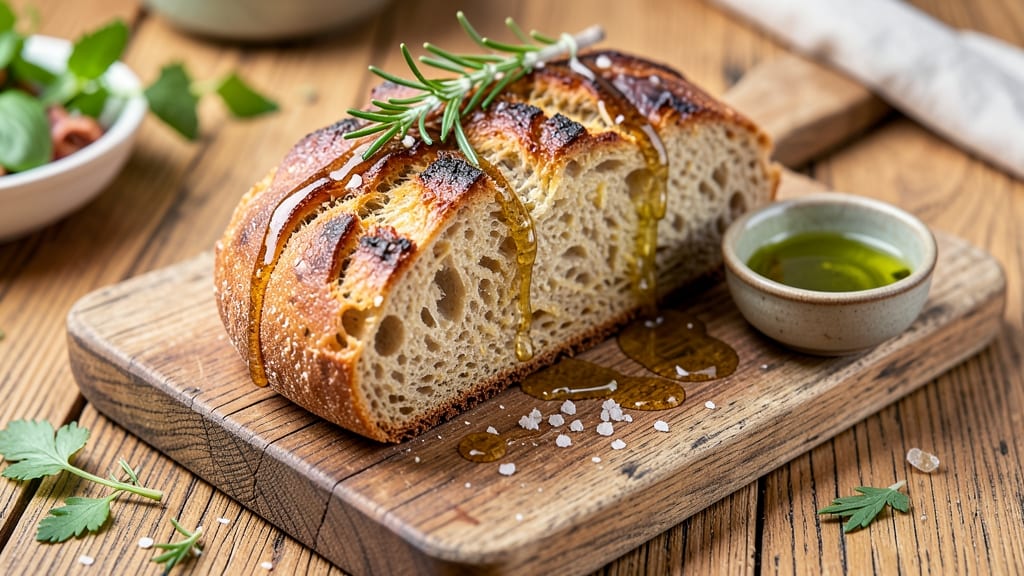
This ancient grains einkorn bread recipe brings history to your kitchen with a nutty, lightweight loaf that's lighter than modern wheat bread. 🌾 The secret lies in einkorn flour's delicate texture and subtle sweetness, which creates a rustic crust and tender crumb that bakes up perfectly every time.
Unlike dense sourdough, this recipe delivers a surprisingly airy result with minimal effort—ideal for those who love artisanal bread without the labor.
The process is straightforward but requires patience: mixing a simple dough of einkorn flour, yeast, water, and salt, followed by a 2-hour proof and 45-minute bake at 375°F. The key to success is avoiding over-kneading (einkorn dough is delicate) and using a Dutch oven for that signature crispy crust.
This bread pairs beautifully with soups, charcuterie, or simply toasted with butter—its nutty flavor makes it unforgettable.
What sets this recipe apart is its versatility—add olive oil or honey for extra richness, or keep it classic for a pure einkorn experience. The crust develops a golden, crackly texture while the interior remains soft and slightly sweet, with none of the heaviness found in whole wheat loaves.
Whether you're a bread enthusiast or a beginner, this recipe delivers professional-quality results at home.
Perfect for meal prep or gifting, this einkorn bread keeps well for 3-4 days when stored properly. The aroma alone as it bakes will have your kitchen smelling like a rustic Italian bakery. Ready to bake bread that tastes like history? Let’s get started with the full recipe.
Ingredients for ancient grains einkorn bread
Nine simple ingredients transform into a rustic loaf with ancient grain history and modern lightness.
| Ingredient | Amount | Notes |
|---|---|---|
| Einkorn Flour 🌾 | 4 cups | High-protein, stone-ground preferred |
| Active Dry Yeast 🍞 | 1 tbsp | Or 2¼ tsp instant yeast |
| Warm Water 💧 | 1 ½ cups | 110°F for optimal yeast activation |
| Extra-Virgin Olive Oil 🫒 | ¼ cup | For dough enrichment |
| Honey 🍯 | 1 tbsp | Or maple syrup for vegan option |
| Kosher Salt 🧂 | 1 ½ tsp | Diamond Crystal preferred |
| All-Purpose Flour 🌾 | ½ cup | For dough elasticity |
| Cornmeal 🌽 | ¼ cup | For dusting Dutch oven |
| Ice Water ❄️ | ¼ cup | For final dough adjustment |
Einkorn flour is the heart of this recipe, and Bob's Red Mill or King Arthur brands deliver consistent results. Look for stone-ground varieties—they retain more flavor and texture. If you can't find einkorn flour, spelt flour works in a pinch, though the flavor will be slightly different. The yeast should be fresh; if it's past its expiration, proof it in warm water first to test viability. For the olive oil, California extra-virgin adds subtle fruitiness that pairs beautifully with the nutty einkorn.
No honey? Maple syrup or agave works equally well—just reduce other liquids slightly to maintain dough consistency. The all-purpose flour is crucial for structure; King Arthur or Gold Medal brands work best. If you're gluten-sensitive, this recipe isn't suitable, but for everyone else, the combination of einkorn and all-purpose creates the perfect balance of rustic texture and tender crumb. The cornmeal dusting isn't just for show—it prevents sticking in the Dutch oven and adds a subtle crunch to the crust. For the ice water, freeze ice cube trays in advance to have it ready when you need it.
This dough is delicate, so handle it gently. Proof the dough in a lightly oiled bowl covered with a damp towel to maintain moisture. The bread keeps best in a paper bag at room temperature for 3-4 days, but it's even better reheated the next day. For longer storage, freeze slices wrapped in parchment—they toast up like fresh-baked. The aroma as it bakes is worth every minute of waiting, so set a timer and enjoy the process.
Why You'll Love This Recipe
- No-Knead, No-Fuss Magic: I swear by this—just mix, wait, and bake. The dough comes together in five minutes, no stand mixer required, and the honey keeps it tender without extra effort. My lazy Sundays just got better.
- Nutty, Golden Crust: That first bite? A perfect balance of einkorn’s earthy warmth and honey’s subtle sweetness, all wrapped in a crispy olive-oil crust. It’s the kind of bread that makes you pause mid-slice just to savor it.
- Weeknight & Picnic Hero: I keep a loaf in the freezer for hectic mornings—just toast it straight from frozen. Or pack it for lunch with cheese and cured meats; the sturdy crust holds up, and the flavor stays rich.
- Budget-Friendly Staple: Einkorn flour costs more upfront, but a single batch feeds my family for days. The yeast and honey stretch further than you’d think, and the bread’s dense texture means fewer scraps—just more delicious leftovers.
Step-by-step instructions for ancient grains einkorn bread
Here's the method to achieve a nutty, open-crumbed loaf with a rustic crust every time.
👨🍳 Step 1: Activate the Yeast and Mix the Dough
In a large mixing bowl, combine the 1.5 cups warm water (about 110°F) with the 1 tbsp honey and 1 tbsp active dry yeast. Let this mixture sit for 5-10 minutes until it becomes frothy and bubbly—this confirms the yeast is active. If it doesn't bubble, your yeast may be dead, and you'll need to start over.
Add the 4 cups einkorn flour, 1.5 tsp kosher salt, and 0.25 cup extra-virgin olive oil to the yeast mixture. Using a wooden spoon or dough whisk, stir until a shaggy dough forms. The einkorn flour will absorb the liquid differently than modern wheat, so don't be surprised if the dough feels slightly sticky at this stage.
👨🍳 Step 2: Knead and Develop the Dough
Turn the dough out onto a lightly floured surface and knead for 8-10 minutes until smooth and elastic. I like to use the "windowpane test" to check development—stretch a small piece of dough thin enough to see light through it. If it tears, knead for another minute or two. Add the 0.5 cup all-purpose flour gradually if the dough feels too sticky.
Einkorn dough has a lower gluten content than modern wheat, so it won't be as elastic. That's why we add a bit of all-purpose flour—it helps create structure without overpowering the ancient grain flavor. Once the dough passes the windowpane test, shape it into a rough ball and place it back in the mixing bowl.
⏰ Step 3: First Rise and Prepare for Baking
Lightly oil the bowl with a bit of olive oil, cover it with a damp kitchen towel, and let it rise in a warm place (like a turned-off oven with the light on) for 1-2 hours, or until it has roughly doubled in size. The dough should feel spongy and spring back slowly when poked with a finger. If it rises too quickly, it may collapse later—patience is key with einkorn.
While the dough rises, preheat your oven to 450°F and place a Dutch oven with its lid on the middle rack. Sprinkle 0.25 cup cornmeal onto a baking sheet—this will prevent the shaped loaf from sticking. Have the 0.25 cup ice water ready for final adjustments if needed.
🥘 Step 4: Shape and Bake the Loaf
Once the dough has risen, gently deflate it by pressing down with your fingers. Shape it into a round loaf by pulling the edges toward the center and tucking them under. Place the shaped loaf seam-side up on the cornmeal-dusted baking sheet. If the dough feels too dry, brush the top with a bit of ice water to help with browning.
Carefully transfer the baking sheet to the preheated Dutch oven (with lid) and bake for 30 minutes. Remove the lid and continue baking for another 15-20 minutes until the crust is deep golden brown and sounds hollow when tapped on the bottom. The internal temperature should reach 190-200°F.
⏰ Step 5: Cool and Enjoy
Remove the loaf from the Dutch oven and let it cool on a wire rack for at least 1 hour before slicing. This resting period allows the crumb to set properly and prevents a gummy texture. The bread will have a rustic, open crumb structure with a slightly crisp crust and a nutty, slightly sweet flavor from the einkorn.
For best results, store the bread in a paper bag at room temperature for up to 3 days, or freeze slices for longer storage. The flavor improves over time as the starches retrograde, making each slice even more satisfying.
Pro Tips For Making Ancient Grains Einkorn Bread
- Bloom the Yeast First: Einkorn flour’s lower gluten means yeast needs a head start—mix it with warm water and honey (about 110°F) for 5-10 minutes until frothy before adding flour. I learned this the hard way after kneading a sluggish dough that barely rose.
- Use a Scale for Flour: Einkorn’s weight varies wildly by brand—measure by grams, not cups, for consistency. My first batch turned out dense because I eyeballed it; now I weigh it like a pro.
- Skip the Over-Kneading: Einkorn’s delicate gluten tears easily—knead just until smooth (about 5-6 minutes by hand). Overwork it, and you’ll end up with a tough, chewy loaf instead of light crumb.
- Brush with Olive Oil Twice: Coat the dough before shaping and again after baking for a crisp crust. The first layer seals the crumb, while the second adds shine and flavor—trust me, it’s worth the extra brush.
Perfect pairings for these flavors
Soup Pairings
This einkorn bread shines with creamy soups like roasted butternut squash or wild mushroom risotto. The nutty flavor complements the earthiness of squash and the umami depth of mushrooms. I like to serve it with a garlic-parsley soup—the bread's crust soaks up the broth beautifully. 🥘
Charcuterie Board Essentials
Add this bread to your charcuterie spread alongside aged cheeses like pecorino or manchego, cured meats such as prosciutto or soppressata, and dried fruits like figs or apricots. The einkorn's subtle sweetness balances salty cured meats, while the crust provides a satisfying crunch. 🧀
Breakfast Toast
Toast slices and top with mascarpone cheese and honey drizzle for a luxurious breakfast. The bread's open crumb holds the creamy cheese beautifully, while the nutty flavor pairs perfectly with sweet spreads. For a savory twist, try avocado and smoked salmon on toasted einkorn. 🍳
Wine and Beer Pairings
A crisp Italian white wine like Vermentino or Pinot Grigio enhances the bread's nutty notes. For beer lovers, a Belgian witbier with its citrusy brightness contrasts nicely. Avoid heavy reds—they can overpower the delicate einkorn flavor. 🍷
Dessert Accompaniments
Pair with dark chocolate desserts like fondue or truffles—the bread's subtle sweetness complements the bitterness. A fresh berry compote with whipped cream also works beautifully. The crust adds texture that elevates any sweet bite. 🍫
Olive Oil Drizzle
Finish your meal with a high-quality extra-virgin olive oil drizzle—look for California or Tuscan varieties with fruity notes. The oil enhances the bread's rustic charm and adds a luxurious touch to every bite. A sprinkle of flaky sea salt amplifies the flavors further. 🫒
Nutrition facts
Frequently asked questions
Can I substitute einkorn flour with regular wheat flour?
The flavor and texture will differ significantly. Einkorn's nutty sweetness and delicate crumb are unique—regular wheat flour lacks that ancient grain character. If you must substitute, try spelt flour (1:1 ratio) for a closer experience, though the texture will be denser. For best results, seek out einkorn flour from brands like Bob's Red Mill or King Arthur.
Why does my einkorn dough feel so sticky?
Einkorn flour has lower gluten content than modern wheat, so it absorbs moisture differently. The dough should be tacky but manageable—add 1-2 tablespoons of all-purpose flour only if needed during kneading. Over-flouring will make the bread denser. The stickiness is normal and part of the ancient grain's charm!
How do I know when the bread is fully baked?
Look for three signs: the crust should be deep golden brown, tapping the bottom should sound hollow, and the internal temperature should reach 190-200°F (use an instant-read thermometer). If unsure, bake 5 more minutes—underbaked einkorn bread can taste gummy rather than light and airy.
Can I make this bread without a Dutch oven?
Yes, but the crust won't be as crispy. Place the shaped loaf on a baking sheet lined with parchment paper and bake at 425°F for 50-55 minutes, covering loosely with foil after 30 minutes to prevent over-browning. The texture will be softer but still delicious!
What's the best way to reheat stale einkorn bread?
Toast slices in a toaster or oven at 350°F for 5-7 minutes until crispy. For sandwiches, wrap slices in foil and warm in a 300°F oven for 10 minutes—this restores moisture without making them soggy. The nutty flavor actually improves after the first day!