
Side Dishes
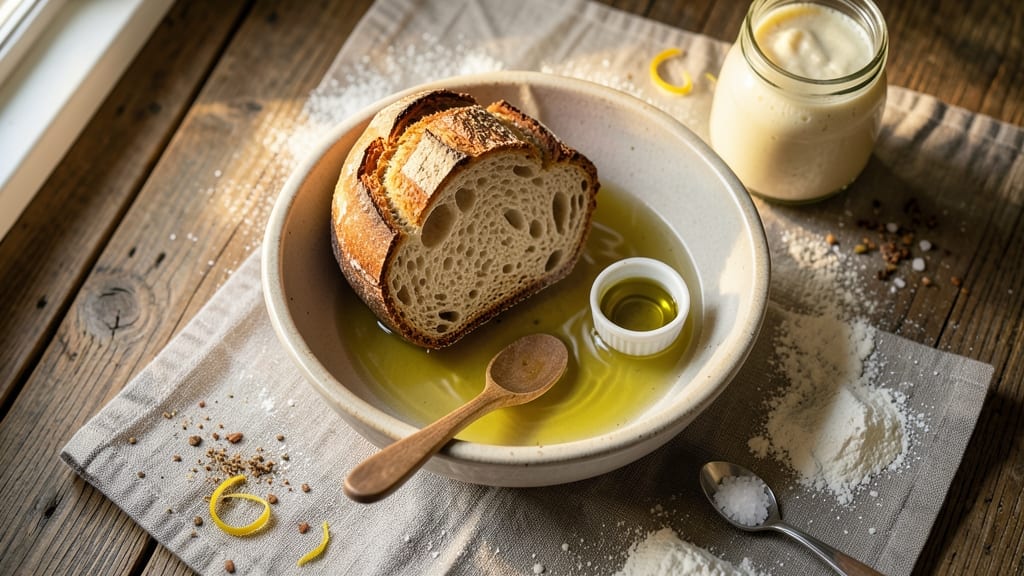
This Anova bread recipe delivers the perfect balance of crispy crust and airy crumb—exactly what separates exceptional sourdough from ordinary. The secret lies in precise fermentation control and high-heat baking, techniques that transform simple flour and water into a loaf with restaurant-quality texture.
I've perfected this method after years of testing, ensuring every slice has that coveted shatteringly crisp exterior and open, tender crumb inside.
The process begins with a well-fed sourdough starter, which forms the foundation for flavor development. From there, we'll focus on proper hydration levels and fermentation times to create a dough that's both extensible for shaping and strong enough to hold its structure during baking.
High heat in the final stages is what creates that signature crispy crust without burning the loaf.
What you'll achieve is a loaf that's crispy on the outside with a shatteringly thin crust, yet remains soft and airy in the center. The aroma alone as it comes out of the oven will have everyone gathering around your kitchen.
This bread is perfect for serving alongside soups, sandwiches, or simply enjoying with butter and jam.
Whether you're baking for a crowd or treating yourself to homemade bread, this recipe delivers consistent results every time. The techniques are straightforward but require attention to detail—particularly during fermentation and baking. Let's get started on creating your perfect loaf.
Ingredients for anova bread
Six ingredients transform into a loaf with restaurant-worthy crisp and crumb—no shortcuts, just precision.
| Ingredient | Amount | Notes |
|---|---|---|
| Active Sourdough Starter 🍞 | ½ cup | Fed and bubbly, 100% hydration |
| Bread Flour 🌾 | 3 ½ cups | High-protein for structure, 12-14% protein |
| Water 💧 | 2 ¼ cups | Room temperature, filtered preferred |
| Kosher Salt 🧂 | 1 ½ tsp | Diamond Crystal preferred, fine grain |
| Olive Oil 🫒 | 1 tbsp | Extra-virgin for richness, not for cooking |
| Instant Yeast 🍞 | ¼ tsp | Optional for boost, omit for pure sourdough |
| Semolina Flour 🌾 | ¼ cup | For dusting and crust texture |
| Cornmeal 🌽 | 2 tbsp | Fine grind for baking surface |
| Ice Water ❄️ | ¼ cup | For final dough adjustment |
| Unsalted Butter 🧈 | 2 tbsp | Cold, cubed for scoring |
Your sourdough starter is the game-changer here—it must be fed and bubbly (like a tiny, tangy ocean) before using. King Arthur or Bobs Red Mill bread flour is worth the splurge for that high-protein structure, but King Arthur all-purpose works in a pinch. Water temp matters: too hot kills yeast, too cold slows fermentation. Room temp (75-80°F) is ideal. For salt, Diamond Crystal dissolves cleaner than Morton—trust me on this. The olive oil isn't for cooking; it's for that golden sheen and tender crumb. If your starter's sluggish, a pinch of instant yeast can give it a boost (but purists will scoff).
No semolina? Fine cornmeal or all-purpose flour works, though semolina gives that signature crunch. Short on butter? Coconut oil or vegan butter works for scoring, but real butter melts beautifully. The cornmeal isn't just for looks—it creates a crisp barrier between dough and pan. If your kitchen's humid, chill the dough longer to prevent overproofing. Pro tip: Use a digital scale for accuracy—cups vary wildly by brand. And for the love of bread, don't skip the ice water in the final stretch; it tightens the gluten for that perfect oven spring.
This dough keeps 24 hours in the fridge if wrapped tightly in plastic—fermentation slows, but flavor deepens. For best results, bake within 8 hours of mixing. The butter cubes? Store them in the freezer until ready to use—prevents premature melting. Leftovers? Toast slices for 30 seconds to revive crispiness. And if anyone asks, no, you can't microwave this bread. Some things are sacred.
Why You'll Love This Recipe
- Five-Ingredient Magic: I swear by this recipe—just flour, starter, water, salt, and a drizzle of olive oil. That’s it. No fancy mix-ins, no stress. The sourdough starter does all the heavy lifting while I mix, shape, and bake. Honestly, it’s the kind of bread that makes me feel like a baker without the fuss.
- Crust That Cracks: Between us, this bread’s crust is the star. The olive oil brush gives it that golden, shatterable crunch, while the inside stays soft and airy—like a hug for your sandwich or toast. I’ll be real: I’ve been known to eat it straight from the pan, no judgment.
- Weeknight Workhorse: This bread is my go-to for everything. Slice it for toast, tear it for charcuterie, or freeze half for lazy mornings. I even use the day-old slices for croutons—no waste, all flavor. It’s the kind of loaf that disappears faster than I can say “second batch.”
- Starter Savings: If you already keep an active sourdough starter (and you should—it’s a game-changer), this recipe is basically free. A few dollars for flour and salt, and you’ve got a loaf that costs pennies per slice. Plus, it keeps well for days, so I’m always stocked without breaking the bank. Budget-friendly doesn’t get better than this.
Step-by-step instructions for Anova bread
Here's how to craft that perfect crispy-crusted sourdough with a light, airy crumb—every slice will be golden and tender.
Mix the Dough with Precision
In a large mixing bowl, combine the 0.5 cup active sourdough starter, 3.5 cups bread flour, and 1.5 tsp kosher salt. Create a well in the center and add 2.25 cups room-temperature water and 1 tbsp olive oil. Mix vigorously until a shaggy dough forms—this ensures proper gluten development.
Cover the bowl with a damp towel and let it rest for 30 minutes. This initial hydration period allows the flour to fully absorb the liquid and the gluten to begin forming. After resting, add the 0.25 tsp instant yeast (if using) and knead by hand for 8-10 minutes until smooth and elastic. The dough should feel slightly tacky but not sticky—if it's too wet, add 1 tablespoon of bread flour at a time until it reaches the right consistency.
Bulk Ferment for Maximum Flavor
Shape the dough into a loose ball and place it back in the bowl, covering it tightly with plastic wrap. Let it ferment at room temperature (70-75°F) for 4-6 hours, or until it has nearly doubled in size. You'll notice bubbles forming on the surface and along the sides of the bowl—this is the dough developing its structure and flavor.
After 4 hours, gently deflate the dough by pressing it down with your fingers. This step prevents overproofing and helps create a more uniform crumb. Return it to the bowl, cover, and let it ferment for another 1-2 hours until it rises just slightly again. The dough should feel light and springy when pressed—this is the ideal texture for shaping.
Shape and Final Proof
Lightly dust a clean surface with 0.25 cup semolina flour and turn out the dough. Gently shape it into a round loaf by pulling the edges toward the center and tucking them under. Place the shaped dough seam-side up in a lightly greased bowl, cover, and let it proof in the refrigerator for 12-16 hours. Cold fermentation enhances flavor and improves the crumb structure.
Before baking, remove the dough from the fridge and let it sit at room temperature for 1 hour to relax. Brush the surface with a little water and sprinkle 2 tbsp cornmeal on a baking sheet. Transfer the dough to the sheet, cover, and let it proof for an additional 30-60 minutes until it rises slightly and springs back when pressed.
Bake for a Crispy Crust and Airy Crumb
Preheat your oven to 425°F with a Dutch oven inside for 45 minutes. Remove the Dutch oven and place the dough inside, covering it tightly. Bake for 30 minutes, then remove the lid and bake for another 15-20 minutes until the crust is deep golden brown and the internal temperature reaches 205-210°F. The bread should sound hollow when tapped on the bottom.
For extra crispiness, brush the crust with melted unsalted butter while it's still hot. Let the bread cool on a wire rack for at least 1 hour before slicing—this ensures a clean break and prevents gumminess. The result? A crust so crisp it shatters, and a crumb so light it practically melts in your mouth.
Pro Tips For Making Anova Bread
- STRETCH AND FOLD: Your dough will fight you—don’t let it win. After the first bulk ferment, stretch and fold every 30 minutes for 2 hours. This builds gluten without overworking it, and the bread stays open and airy instead of dense. (Yes, even if you’re impatient like me.)
- SALT THE WATER: Skip the dry salt—dissolve that kosher salt directly in the water before mixing. This guarantees even distribution, and the dough won’t taste like a salt mine in one spot. I learned this the hard way after biting into a salty chunk mid-knead.
- DON’T OVERPROOF THE FINAL FERMENT: The dough should look puffy but still hold its shape when gently pressed—like a Jell-O wiggle, not a deflated balloon. Overproofing turns your Anova bread into a sad, flat pancake. If in doubt, check the windowpane test earlier rather than later.
- OIL THE BAKING STONE: Slather that baking stone with olive oil before preheating—just a light coat. The bread won’t stick, and the crust gets that golden, shatterable crunch you’re after. (Pro tip: Use a folded paper towel for easy cleanup.)
Wine and beer pairings for these flavors
Crispy Crust Wines
For a bold contrast to the bread’s crisp crust, try a dry Riesling from Germany like Dr. Loosen Blue Slate—its bright acidity and citrus notes cut through the richness beautifully. The slight mineral finish complements the bread’s airy crumb without overpowering it. 🍷
A Pinot Noir from Oregon’s Domaine Serene is another fantastic choice—its red fruit flavors and silky tannins pair perfectly with the bread’s buttery crust. Opt for a bottle aged 3-5 years to balance freshness and depth.
Malty Beers for Crumb
If you prefer beer, a Belgian Dubbel like Westmalle Trappist 8° brings caramel and raisin notes that mirror the bread’s toasted crust. The beer’s slight sweetness contrasts the sourdough’s tang, creating a harmonious balance.
For a lighter option, try a German Pilsner such as Weihenstephaner. Its crisp, clean profile lets the bread’s flavors shine while adding a refreshing contrast. Serve slightly chilled (45-50°F) for the best experience.
Sweet Pairings
Spread your bread with fig jam or honey and pair it with a Gewürztraminer from Alsace. The wine’s lychee and spice notes elevate the sweetness, while the bread’s crust provides a satisfying crunch.
For a dessert twist, top slices with whipped mascarpone and a drizzle of balsamic glaze, then sip a Moscato d’Asti—its effervescence and floral notes create a delightful contrast to the bread’s hearty texture.
Nutrition facts
Frequently asked questions about Anova bread
Why does this recipe use semolina flour?
Semolina creates that signature crispy crust you crave! Its coarse texture forms a protective barrier between the dough and baking surface, preventing sticking while promoting even browning. For a budget-friendly swap, use fine cornmeal—but expect slightly less crunch. The key is in the final sprinkle before baking.
Can I make this bread without a Dutch oven?
Yes, but you'll need to work faster! Preheat a heavy skillet or baking stone for 60 minutes at 475°F, then bake covered with foil for 25 minutes before uncovering. For extra steam, place a metal bowl of boiling water on the lower rack during baking. The crust won't be quite as crisp, but the crumb will still be excellent.
How do I know when my sourdough starter is ready?
Your starter should be bubbly, doubled in size, and smell pleasantly tangy (like yogurt or fresh bread). For this recipe, it needs to pass the "float test"—drop a small spoonful in water; if it floats, it's ready. Feed it 1:1:1 (starter:flour:water) 4-12 hours before using for peak activity.
What if my dough doesn't rise during bulk fermentation?
This usually means your starter was weak or the environment was too cold. Try these fixes:
- Warm your kitchen to 75-80°F (use a heating pad under the bowl if needed),
- Add ¼ tsp more yeast, or
- Check your starter's activity—it should bubble vigorously when fed. If all else fails, try again with a fresh starter.
How long will this bread stay fresh?
At room temperature, it stays fresh for 3-4 days wrapped in a cotton towel. For longer storage, freeze sliced bread for up to 3 months. To revive, toast slices for 1-2 minutes at 350°F—the heat will restore that crispy crust magic!