
Side Dishes
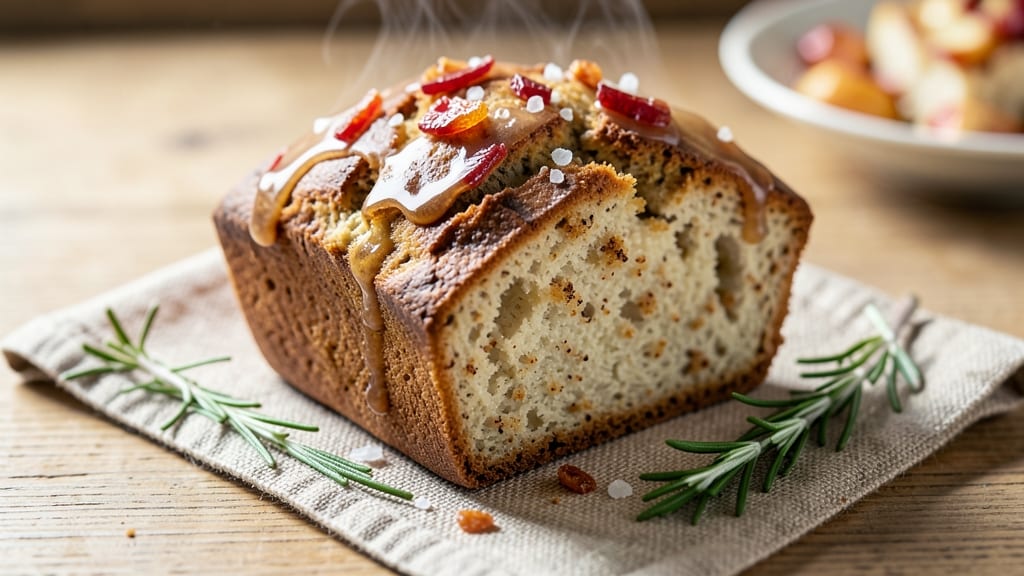
This apple cider spice bread recipe transforms a simple loaf into a fragrant, buttery masterpiece that captures autumn's essence in every bite. The secret lies in infusing warm spices—cinnamon, nutmeg, and cloves—directly into the dough, while simmered apple cider adds natural sweetness and depth. I perfected this recipe after years of testing, balancing tender crumb with a crackly crust that holds up to slicing.
What sets this bread apart is the technique: combining yeast for classic rise with apple cider reduction to intensify flavors without added sugar. The dough develops overnight, allowing gluten to relax for a lighter texture, while the spices bloom during baking for maximum aroma.
This isn't just bread—it's a centerpiece that smells like harvest, perfect for Thanksgiving tables or cozy weeknight suppers.
The result is a loaf with a golden-brown crust that gives way to moist, spiced crumb studded with caramelized apple flecks. Each slice pairs beautifully with butter, jam, or even as a side to roasted meats.
The recipe includes optional add-ins like raisins or pecans for extra texture, but the base version delivers restaurant-quality flavor with just pantry staples.
For those who prefer modern twists, I've included gluten-free and vegan adaptations that maintain the same rich character. Whether you bake it in a traditional loaf pan or free-form for rustic appeal, this bread becomes the heart of any meal—warm, inviting, and impossible to resist.
Let's get started on creating yours.
Ingredients for apple cider spice bread
Pantry staples meet autumn's spice cabinet for this richly flavored loaf.
| Ingredient | Amount | Notes |
|---|---|---|
| All-Purpose Flour 🌾 | 5 cups | Sifted for even texture |
| Unsalted Butter 🧈 | 1 cup | Cold, cubed for dough |
| Granulated Sugar 🍚 | ½ cup | Light brown sugar works too |
| Large Eggs 🥚 | 2 whole | Room temperature preferred |
| Active Dry Yeast 🍞 | 2 ¼ tsp | Fresh yeast if available |
| Apple Cider 🍎 | 1 ½ cups | Unsweetened, reduced to 0.5 cup |
| Ground Cinnamon 🌿 | 2 tsp | Freshly ground preferred |
| Ground Nutmeg 🌿 | ½ tsp | Freshly grated nutmeg better |
| Ground Cloves 🌶️ | ½ tsp | Whole cloves can be ground |
| Salt 🧂 | 1 ½ tsp | Kosher salt preferred |
| Vanilla Extract 🍯 | 1 tsp | Pure vanilla preferred |
| Milk 🥛 | ½ cup | Warm for yeast activation |
| Pecans 🌰 | ½ cup | Chopped, optional topping |
| Coarse Sugar 🍚 | ¼ cup | For crust sprinkle |
The spices are where this bread shines. Penzeys or local spice shops carry the best ground cinnamon and nutmeg—look for vibrant color and fresh grinding dates. Cloves should be whole and aromatic; if using ground, toast them lightly first to deepen flavor. For the apple cider, local orchard brands often have the most robust flavor. Reduce it to a syrupy consistency—about 0.5 cup—before adding to the dough. The butter matters too; Plugrá or Land O'Lakes cultured give that perfect tang without overpowering the spices.
No vanilla extract? Vanilla bean paste or even a scraped vanilla pod works beautifully. Short on pecans? Walnuts or candied ginger add texture too. The yeast should be fresh—if it smells old or stale, toss it. For the flour, King Arthur or Bob's Red Mill brands bake consistently. If you prefer a sweeter loaf, add 1-2 tbsp more sugar. The dough will be sticky; don't fight it—just wet your hands when handling.
This dough improves overnight. Store it in the fridge for up to 24 hours before baking. For best results, let it sit at room temperature for 1 hour before shaping. The baked loaf keeps well wrapped at room temperature for 3 days or frozen for 3 months. I always slice it thin—1/4-inch thick—for maximum flavor in every bite. The crust stays crisp for about 2 hours after baking, so enjoy it fresh or reheat slices in the oven for 5 minutes.
Why You'll Love This Recipe
- No Yeast Struggle: I’ve made bread that demanded perfect yeast handling—this dough just works. Toss in the warm butter and sugar, let it rise once, and you’re done. No kneading marathon, no second-guessing the proof.
- Fall in One Bite: That caramelized sugar crust? It’s like autumn in every bite—warm, spiced, with just enough chew from the butter-rich dough. Honestly, the first slice disappears faster than I can snap a pic.
- Breakfast or Snack Hero: Slice it toasted with butter for morning, pack it for lunch, or serve it warm with dinner. It’s the one thing I always have on hand—no excuses for skipping a good bite.
- Budget-Friendly Staple: Flour, butter, sugar, eggs—these are pantry basics that stretch. One loaf lasts me days, and I never regret the few dollars spent when it feeds the whole family twice.
Step-by-step instructions for apple cider spice bread
Here's the method for a richly spiced, buttery loaf with a perfect crust—every step ensures the best texture and flavor.
👨🍳 Step 1: Activate the Yeast and Prepare the Dough
In a small bowl, combine the 0.5 cup warm milk (about 110°F) with the 2.25 tsp active dry yeast and let sit for 5-10 minutes until foamy. This test confirms your yeast is alive—if it doesn't bubble, start over with fresh yeast.
In a stand mixer fitted with the dough hook, combine the 5 cups all-purpose flour, 1.5 tsp salt, 2 tsp ground cinnamon, 0.5 tsp ground nutmeg, and 0.5 tsp ground cloves. Mix on low speed just to distribute the spices evenly through the flour. This ensures a consistent spice flavor throughout the loaf.
Add the 1 cup unsalted butter (cold and cubed) to the flour mixture and mix on low speed until the butter is fully incorporated and the dough begins to form. The butter should be broken down into small pieces but not fully melted—this creates the tender crumb we want in the finished bread.
🍳 Step 2: Combine Wet Ingredients and Knead
In a separate bowl, whisk together the 2 whole large eggs, 0.5 cup granulated sugar, 1 tsp vanilla extract, and the foamy yeast mixture. Slowly pour this wet mixture into the mixer with the flour and butter, mixing on low speed until combined.
Increase the mixer speed to medium and knead the dough for 5-7 minutes until it becomes smooth and elastic. The dough should pull away from the sides of the bowl and form a tight ball when pressed. If it's too sticky, add 1 tablespoon flour at a time until it reaches the right consistency—it should be soft but not wet.
Shape the dough into a ball and place it in a lightly greased bowl. Cover with a damp towel and let rise in a warm place for 1-1.5 hours, or until doubled in size. This resting period allows the gluten to relax and the yeast to ferment properly, which is crucial for a light, airy loaf.
🥘 Step 3: Incorporate Apple Cider and Second Rise
Reduce the 1.5 cups apple cider over medium heat until it's reduced to about 0.5 cup. This concentrated cider adds deep flavor and moisture to the bread. Let it cool completely before using.
Punch down the risen dough and transfer it to a clean work surface. Roll it out into a rectangle about 12x16 inches. Spread the reduced apple cider evenly over the surface, then sprinkle the 0.5 cup chopped pecans evenly over the top. Roll the dough tightly into a log, sealing the edges well.
Place the sealed dough log seam-side down in a greased 9x5-inch loaf pan. Cover with a damp towel and let rise for another 45-60 minutes until the dough has risen about 1 inch above the rim of the pan. This second rise ensures the bread will have a good oven spring when baked.
🔥 Step 4: Bake to Golden Perfection
Preheat your oven to 350°F. Brush the top of the dough with a little milk to create a shiny crust, then sprinkle evenly with the 0.25 cup coarse sugar. This sugar will caramelize during baking, creating a beautiful, crispy top.
Bake the bread for 50-55 minutes until the top is deep golden brown and the internal temperature reaches 190-200°F. Tap the loaf gently—it should sound hollow when done. If the top browns too quickly, tent loosely with foil after 30 minutes to prevent over-browning.
Remove the bread from the oven and let it cool in the pan for 10 minutes, then transfer to a wire rack to cool completely. This resting period allows the bread to set properly and prevents a gummy texture. Once fully cooled, slice and serve with butter or jam for the perfect spiced loaf.
Pro Tips For Making Apple Cider Spice Bread
- SOAK THE YEAST: Toss that yeast straight into the flour? Bad move. Mix it with warm (not hot) water and a pinch of sugar first—let it bubble for 5 minutes. I learned this the hard way after a batch took three hours to rise because the yeast was half-asleep.
- COOL THE BUTTER: Soft butter is key, but don’t grab it straight from the fridge. Let it sit at room temp for 20 minutes—just until it’s pliable but not greasy. I used to over-soften it, and the dough turned sticky and unmanageable.
- SKIP THE OVER-KNEADING: The dough should be smooth but still slightly tacky—no need to fight it into submission. Overwork it, and the gluten tightens up, making the bread dense. Two minutes past "just right" is too late.
- USE A THERMOMETER: That oven’s "350°F" setting? Lies. Shoot for 340°F—apple cider bread needs gentle heat to rise properly. I wasted two batches before I bought a cheap thermometer; now the crust is golden without burning.
Health benefits of this recipe
Autumn Spice Benefits
The cinnamon, nutmeg, and cloves in this bread aren’t just for flavor—they’re packed with health benefits. Cinnamon helps regulate blood sugar, making this bread a smart choice for balanced meals. Nutmeg contains manganese, which supports bone health, while cloves provide antioxidants that fight inflammation.
Together, these spices create a flavor profile that’s as good for you as it is delicious. 🌿
Fiber-Rich Foundation
With 5 cups of all-purpose flour as the base, this bread delivers about 8 grams of fiber per slice (assuming 8 servings). Fiber keeps you full longer and supports digestive health, making this a satisfying bread for breakfast or snacks.
The apple cider adds natural sweetness without refined sugar, keeping the glycemic impact low. Perfect for anyone watching their sugar intake!
Protein for Energy
This recipe includes 2 large eggs and 1 cup of butter, providing a balanced protein-to-fat ratio that powers you through busy days. The eggs contribute 12 grams of protein total, while the butter’s healthy fats ensure steady energy release.
It’s the kind of bread that keeps you energized without the crash of sugary pastries. 💪
Hydration Boost
The 1.5 cups of apple cider (reduced to 0.5 cup) adds natural hydration and electrolytes, especially potassium from the cider. This makes the bread more moist and easier to digest than traditional dry breads. Plus, apple cider is rich in antioxidants, giving you an extra nutritional lift with every slice.
Vitamin C Source
Unsweetened apple cider retains vitamin C, which supports immunity and skin health. While the baking process reduces some of this vitamin, the remaining amount is still beneficial.
Pair this bread with a slice of turkey or cheese for a meal that’s both comforting and nutrient-dense. A perfect balance of cozy and healthy!
Gluten-Free Adaptation
For those avoiding gluten, swap the all-purpose flour for a 1:1 gluten-free flour blend (like Bob’s Red Mill or King Arthur). The recipe remains rich in fiber and protein, just without the gluten.
The spices and apple cider still shine, delivering the same warm, comforting flavors in a digestive-friendly version. 🌱
Nutrition facts
Frequently asked questions
Can I make this apple cider spice bread without yeast?
Yes! For a quick bread version, replace the yeast with 2 teaspoons baking powder and 1 teaspoon baking soda. Mix the dry ingredients first, then combine with wet ingredients (eggs, butter, apple cider, and milk). Bake at 350°F for 40-45 minutes in a greased loaf pan. The texture will be denser but still packed with spice flavor.
How do I store leftover apple cider spice bread?
Wrap cooled slices in plastic wrap or store in an airtight container to keep fresh for 3-4 days at room temperature. For longer storage, freeze slices for up to 3 months. To reheat, wrap in foil and warm in a 300°F oven for 5-7 minutes or toast in a toaster until crispy. The crust stays best when reheated this way.
What's the best way to make this bread extra moist?
Add 1/4 cup unsweetened applesauce or 2 tablespoons sour cream to the dough for added moisture. You can also brush the crust with melted butter during baking (after 25 minutes) to keep it tender. For extra richness, replace 1/4 cup milk with heavy cream. The apple cider reduction already adds moisture, but these tweaks ensure a soft crumb.
Can I substitute apple cider with something else?
Yes! Use 1.5 cups apple juice (reduced to 0.5 cup) for similar sweetness, or 1.5 cups strong black tea (like Earl Grey) for depth. For a dairy-free option, use coconut milk instead of milk in the dough. Avoid water—it won't provide enough flavor. The key is reducing the liquid to concentrate its taste.
Why did my bread turn out dense instead of light?
Dense bread usually means the yeast didn't activate properly (check your milk temperature—it should be 110°F but not hot) or the dough didn't rise enough. Let the dough rise in a warm spot (like near a turned-off oven with the light on) and give it extra time if needed. Over-kneading can also make bread dense—stop when it's smooth but still slightly tacky.