
Side Dishes
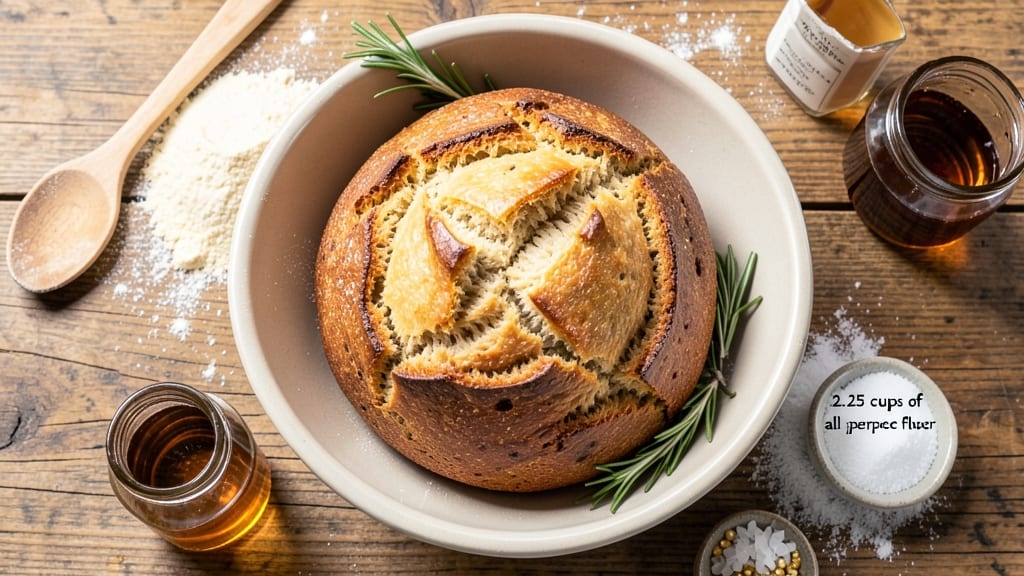
Apple cider vinegar bread recipe transforms ordinary loaves into something extraordinary—tangy, flavorful, and with a shelf life that lasts. The secret lies in that simple vinegar addition, which tenderizes the dough while adding a subtle sour kick that lingers in every bite. This isn’t just bread; it’s a game-changer for sandwiches, toast, or even French toast that tastes like it came from a bakery.
The process is straightforward but precise: mix the dough with apple cider vinegar, let it rise twice for maximum flavor development, and bake until golden. The vinegar not only enhances texture but also preserves freshness longer than traditional bread.
Whether you’re making a classic loaf or soft rolls, this method ensures a lighter, airier crumb with just the right tang.
By the end, you’ll have bread that’s crisp on the outside, tender inside, and packed with that signature apple cider tang. It’s perfect for breakfast toast, sandwiches, or even as a side to soups and stews.
The best part? The vinegar’s natural preservation properties mean fewer stale leftovers and more delicious seconds.
Ready to elevate your bread game? This recipe is your ticket to homemade loaves that taste like they belong in a bakery display. Let’s get started with the full step-by-step guide.
Ingredients for apple cider vinegar bread
Four cups flour kickstarts this tangy bread—simple but game-changing with vinegar.
| Ingredient | Amount | Notes |
|---|---|---|
| All-Purpose Flour 🌾 | 4 cups | Sifted for best texture |
| Apple Cider Vinegar 🍎 | 2 tbsp | Unfiltered for extra flavor |
| Active Dry Yeast 🍞 | 2 ¼ tsp | Freshly opened for potency |
| Granulated Sugar 🍚 | ¼ cup | White or brown preferred |
| Salt 🧂 | 1 ½ tsp | Kosher or sea salt |
| Warm Water 💧 | 1 ¼ cups | 110°F for yeast activation |
| Unsalted Butter 🧈 | ½ cup | Softened but not melted |
| Large Egg 🥚 | 1 whole | Room temperature preferred |
| Cornmeal 🌽 | ¼ cup | For dusting baking sheet |
| Sesame Seeds 🌱 | 1 tbsp | Optional for topping |
The apple cider vinegar is non-negotiable here—Bragg or Texas Pete are my go-tos, but any unfiltered brand works. If your pantry only has white vinegar, don't bother. The flavor difference is night and day. For yeast, Fresh Start or Red Star are reliable, but check the expiration date—old yeast won't rise. The butter matters too: Land O'Lakes or Plugrá work, but avoid margarine. It's worth buying the good stuff for this recipe.
No apple cider vinegar? White vinegar plus 1 tsp lemon juice is a decent swap, but it won't have the same depth. Short on butter? Olive oil at half the amount keeps the dough tender, though the flavor shifts slightly. The egg can be omitted if you're making a vegan version, but the bread will be denser. For the sugar, brown sugar adds caramel notes if you prefer something richer. And if sesame seeds are missing, poppy seeds or everything bagel seasoning make great alternatives.
This dough doubles in size during the first rise, so don't cram it into a small bowl. The second rise is where the magic happens—1-2 hours at room temp gives the best flavor. For storage, wrap tightly in a beeswax wrap or foil to keep it fresh for 5-7 days. Freeze half the batch for later—just thaw at room temp before toasting. The vinegar's preservation powers mean you'll actually eat this bread before it goes stale.
Why You'll Love This Recipe
- No-Knead Nightmare Solved: I’ll admit, I used to dread bread-making—until this recipe. The apple cider vinegar does all the work, tenderizing the dough while keeping it light without a single punch or fold. Just mix, wait, and bake—my lazy Saturdays now include fresh bread.
- Tangy Crust, Soft Core: That first bite? The vinegar’s sharp edge lingers just enough to wake up your taste buds, but the inside stays pillowy. Honestly, it’s the kind of bread that makes you pause mid-slice, wondering why you didn’t try this sooner.
- Breakfast to Picnics: Toast it with butter for a weekday upgrade, or pack slices for sandwiches that won’t flop. I’ve even used it as a crust for roasted veggies—crispy, sturdy, and always a crowd-pleaser. (Yes, even on a Tuesday night.)
- Pantry Staple, Zero Waste: Five ingredients, all of which I already have. A loaf lasts my family five days, and the leftovers? Perfect for croutons or breadcrumbs. Between us, this is the recipe that finally convinced me to stop buying store bread.
Step-by-step instructions for apple cider vinegar bread
Here's how to make bread with a tangy kick that stays fresh longer and tastes better.
Activate the Yeast with Apple Cider Vinegar
In a small bowl, combine the 1.25 cups warm water (about 110°F), 2.25 tsp active dry yeast, 0.25 cup granulated sugar, and 2 tbsp apple cider vinegar. Let it sit for 5-10 minutes until it becomes frothy. This tangy mixture jumpstarts fermentation and gives your bread its signature flavor.
I like to check for bubbles forming on the surface—this confirms the yeast is alive and ready to work. If it doesn't bubble after 10 minutes, your yeast might be old. In that case, start fresh with a new packet.
Mix the Dough Until Smooth
In a large mixing bowl, whisk together the 4 cups all-purpose flour and 1.5 tsp salt. Add the yeast mixture, 0.5 cup softened unsalted butter, and 1 whole large egg. Mix with a wooden spoon or dough whisk until everything comes together into a shaggy dough.
Once combined, turn the dough out onto a lightly floured surface and knead for 8-10 minutes by hand or 5-6 minutes in a stand mixer with a dough hook. The dough should be smooth and slightly tacky but not sticky. If it sticks to your hands, sprinkle a little more flour—just enough to keep it workable.
Let the Dough Rise Until Doubled
Place the dough back in the bowl, cover it loosely with a clean kitchen towel, and let it rise in a warm spot for 1-1.5 hours. The dough should puff up and nearly double in size. This first rise develops the bread's structure and flavor.
Here's the thing—I always give the dough a gentle shake or tap to see if it springs back slowly. If it does, it's ready. If not, give it another 20-30 minutes. Patience here ensures a light, airy loaf.
Shape and Second Rise for Flavor
Punch down the dough to release any air bubbles, then shape it into a round loaf. Place it in a greased 9x5-inch loaf pan or a round cake pan. Let it rise again for 30-45 minutes until it's just about to overflow the pan.
This second rise is where the apple cider vinegar really shines—it creates that subtle tang that makes this bread stand out. Brush the top with a little water or melted butter, then sprinkle with 1 tbsp sesame seeds if using. Preheat your oven to 375°F while the dough rises.
Bake Until Golden and Crisp
Bake the bread for 30-35 minutes until the top is golden brown and sounds hollow when tapped on the bottom. The crust should be crisp, and the internal temperature should reach 190°F when checked with an instant-read thermometer.
Let the bread cool in the pan for 10 minutes, then transfer it to a wire rack. The crust will firm up as it cools, but it'll still be tender enough to slice easily. Slice while still warm for the best texture—this bread stays fresh for days but tastes best fresh from the oven.
Pro Tips For Making Apple Cider Vinegar Bread
- Bloom the Yeast Right: Mix the yeast with warm water and sugar first—let it sit for 5 minutes until it’s bubbly and frothy. Skipping this step means your bread might rise slower or unevenly, and you’ll end up guessing if the yeast is still alive.
- Measure Vinegar Precisely: Apple cider vinegar is liquid gold here, but too much makes the bread tangy and dense. Use 1 tablespoon per cup of flour—no eyeballing. If you’re using raw or cloudy vinegar, strain it first to avoid gummy texture.
- Don’t Rush the Autolyse: Let the flour and water sit alone for 20 minutes before adding yeast and vinegar. This relaxes the gluten, making kneading easier and giving you a lighter crumb—like giving the dough a little spa time before the real work begins.
- Shape Loaves Tightly: Press the dough into a tight, smooth ball before shaping into loaves. If it’s loose, the bread will spread too much in the pan, turning out flat and sad. Wet your hands and work quickly to avoid drying it out.
Best sauces and condiments for apple cider vinegar bread
Honey Butter Glaze
Warm 2 tbsp unsalted butter with 1 tbsp honey and 1 tsp apple cider vinegar in a small saucepan over low heat. Brush this golden mixture onto freshly baked bread while still warm for a sweet-tangy finish.
The vinegar in the glaze enhances the bread's natural tang, creating a perfect balance. 🍯
Cinnamon Sugar Swirl
Mix 2 tbsp granulated sugar with 1 tsp ground cinnamon and a pinch of salt. After shaping the dough but before the second rise, press a strip of softened butter into the center, then roll the dough to create a spiral.
Brush with a little milk before baking for a caramelized crust. This adds warmth that pairs beautifully with the vinegar's acidity.
Garlic Herb Oil
Infuse ½ cup olive oil with 2 minced garlic cloves, 1 tbsp fresh rosemary, and 1 tsp dried thyme. Heat gently for 5 minutes, then strain and drizzle over warm slices.
The herby notes complement the vinegar's tang while adding depth. Store extra oil in a dark glass bottle for up to 2 weeks.
Spiced Maple Syrup
Simmer 3 tbsp pure maple syrup with ¼ tsp ground cloves and ¼ tsp cinnamon for 3 minutes. Drizzle over slices while warm for a rich, aromatic contrast. The maple's sweetness softens the vinegar's sharpness, creating a restaurant-quality finish. Use within 3 days for best flavor.
Everything Bagel Seasoning
Sprinkle 1 tbsp everything bagel seasoning on top of the shaped dough before baking. The sesame seeds, poppy seeds, garlic, and onion flakes add texture and flavor that cut through the bread's tang. For extra crunch, bake an additional 2-3 minutes after the initial baking time. 🌟
Whipped Cream Cheese
Beat 4 oz cream cheese with 1 tbsp sour cream and ½ tsp apple cider vinegar until smooth. Spread on toasted slices for a creamy, tangy contrast.
The vinegar in the spread enhances the bread's flavor profile while adding a luxurious texture. Store in an airtight container for up to 5 days.
Nutrition facts
Frequently asked questions
Why does apple cider vinegar make bread taste better?
The vinegar adds a subtle tang that balances the dough's sweetness and enhances the bread's flavor profile. It also tenderizes the gluten, creating a lighter, airier crumb. Plus, the acidity helps preserve freshness longer than traditional bread.
Can I substitute white vinegar for apple cider vinegar?
While white vinegar works in a pinch, it lacks the depth and complexity of apple cider vinegar. For the best flavor, stick with unfiltered apple cider vinegar. If you must substitute, add ½ tsp lemon juice to mimic the tang. The texture will still benefit from the acidity, but the flavor won't be as rich.
How long does this bread stay fresh?
Thanks to the apple cider vinegar's natural preservation properties, this bread stays fresh for 5-7 days when stored properly in an airtight container or wrapped in beeswax wrap. For longer storage, freeze half the batch—it'll keep for up to 3 months without losing quality. Thaw at room temperature before toasting.
What if my dough doesn't rise properly?
Check your yeast first—it must be fresh and active. Test it by dissolving 1 tsp sugar in ¼ cup warm water and adding the yeast. If it doesn't foam in 5-10 minutes, your yeast is dead. Also, ensure your water is 110°F (not hotter) and your rising spot is warm (like near the oven with the light on). Patience is key—give the dough extra time if needed.
Can I make this bread without an egg?
Yes! Replace the egg with ¼ cup unsweetened applesauce or 2 tbsp ground flaxseed mixed with 3 tbsp water (let it sit for 5 minutes to thicken). The bread will be slightly denser but still delicious. The vinegar's acidity helps maintain moisture, so texture won't suffer as much as in other recipes.