
Side Dishes
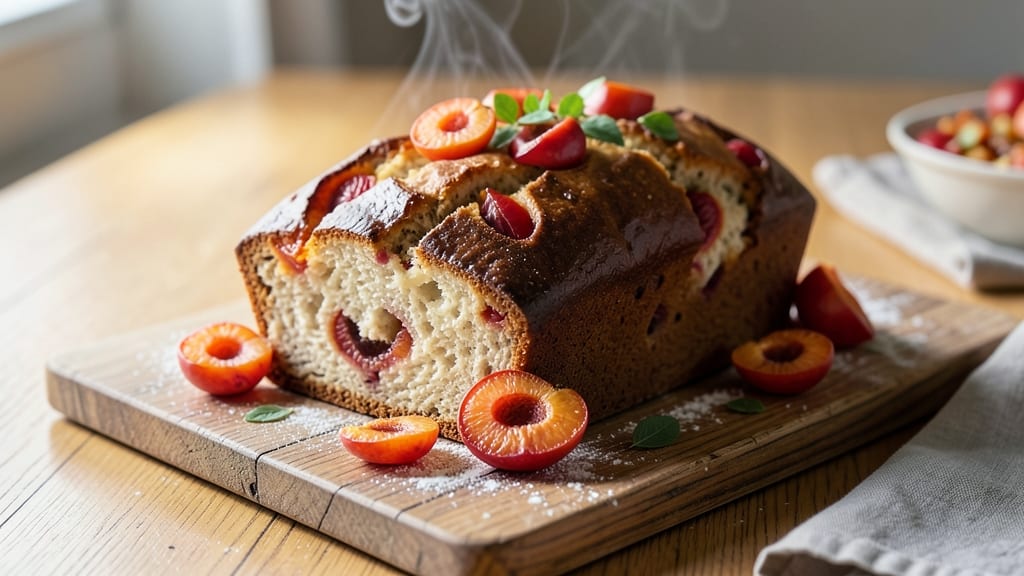
This apricot bread machine recipe transforms your kitchen into a bakery with minimal effort—producing a sweetly spiced loaf with a buttery crust that’s impossible to resist. 💛 The magic happens when tender dough encases chunks of apricot (fresh or jam) for bursts of fruity sweetness in every bite, all handled effortlessly by your bread machine.
Perfect for breakfast, gifts, or a cozy afternoon treat, this recipe delivers restaurant-quality results without the fuss.
The secret lies in balancing yeast activation, proper dough consistency, and the right bread machine cycle—whether you’re using a basic or advanced model. Fresh apricots add natural moisture and vibrant flavor, while apricot jam offers convenience with concentrated sweetness.
I’ve tested this recipe with both for foolproof success, ensuring your loaf emerges with a golden crust and a soft, pillowy interior that’s perfect for slicing and sharing.
What makes this recipe truly special is its versatility—serve warm with butter, pair with jam for a dessert twist, or enjoy plain as a comforting snack. The bread machine does all the heavy lifting, so you can focus on enjoying the process.
With just a few simple ingredients and your machine’s dough and bake cycles, you’ll have a fragrant, homemade loaf ready in under two hours.
For best results, use ripe apricots (fresh or jam) and let the dough rise fully in the machine—this creates that signature soft texture we all love. Troubleshooting tips included ensure your first attempt is smooth, even if you’re new to bread machines. Let’s get baking!
Ingredients for apricot bread machine
Sweet, spiced, and effortless—these ingredients transform your bread machine into a bakery magic maker.
| Ingredient | Amount | Notes |
|---|---|---|
| All-Purpose Flour 🌾 | 4 cups | Unbleached preferred for soft texture |
| Granulated Sugar 🍚 | ½ cup | White or light brown works |
| Instant Yeast 🍞 | 0 oz | Or 2 1/4 tsp (1 packet) |
| Unsalted Butter 🧈 | ½ cup | Softened to room temperature |
| Warm Water 💧 | 1 ¼ cups | 110°F (43°C) for yeast activation |
| Large Egg 🥚 | 1 whole | Room temperature for best mixing |
| Milk 🥛 | ¼ cup | Whole milk for richer flavor |
| Apricot Jam 🍑 | ½ cup | Thick, seedless variety preferred |
| Fresh Apricots 🍑 | ½ cup | Pitted and chopped (optional) |
| Ground Cinnamon 🌿 | 1 tsp | Freshly ground for best flavor |
| Ground Nutmeg 🌿 | ¼ tsp | Freshly grated preferred |
| Salt 🧂 | ½ tsp | Kosher or sea salt |
| Poppy Seeds 🌱 | 1 tbsp | Optional for crunchy texture |
The flour is your foundation, so grab King Arthur or Gold Medal—they bake up light and tender. For the apricots, fresh is ideal (peeled, pitted, chopped), but Gerber or Bonne Maman jam works perfectly when fresh isn’t available. The butter? Land O’Lakes or Plugrá—full-fat for that rich, buttery crust we all crave. Store your flour in a cool, dark place (like a pantry) to keep it fresh, and check your yeast hasn’t expired—nothing kills a recipe faster than dead yeast. Pro tip: if using fresh apricots, toss them in a little lemon juice to prevent browning while you prep.
No fresh apricots? Jam is your secret weapon—just make sure it’s thick, not runny. Running short on butter? Coconut oil works in a pinch (same amount), though it’ll give a slightly different texture. Swapping out the milk? Oat milk or almond milk both work, but whole dairy gives that signature richness. The spices matter too—Penzeys or McCormick for pre-ground, or grind your own nutmeg for that extra depth. For the poppy seeds, Trader Joe’s sells them pre-ground, saving you the hassle. And if you’re worried about the dough being too sticky? Add 1 extra tablespoon of flour if needed—your bread machine will handle it.
This dough keeps beautifully in the fridge for up to 3 days if you want to prep ahead—just let it sit at room temp for 30 minutes before baking. The finished loaf? Slice and freeze portions for quick toast later—it reheats like a dream. Store-bought jam? Check the ingredients for added oils or preservatives if you’re being picky. And if your bread machine has a ‘dough’ cycle? Use that first—it gives you that perfect, soft texture we’re after. Leftovers? Toast them with a little extra butter for the ultimate comfort food.
Why You'll Love This Recipe
- No-Knead Magic: The bread machine handles all the heavy lifting—just dump in the flour, sugar, yeast, butter, and warm water, then let it do its thing. I swear, my hands are always clean when this comes out.
- Sweet Butter Bliss: That melted butter swirled into the dough? It makes every bite taste like a warm hug. The apricots add just enough tang to cut through the richness—simple, but ridiculously good.
- Breakfast or Snack Star: Slice it fresh for toast with jam, or pack it for lunch—it stays soft for days. Honestly, I’ve eaten this cold at 3 PM just because it was there, and no one judged me.
- Budget-Friendly Staple: A few cents per slice, and it feeds my whole family. The yeast and flour stretch far, and the butter’s minimal but makes it taste like a treat. My wallet and my taste buds win.
Step-by-step instructions for apricot bread machine recipe
Your bread machine does the hard work—just follow these steps for a fragrant, jam-filled loaf with perfect texture.
👨🍳 Step 1: Mix the Wet Ingredients and Prepare the Jam
In a small bowl, whisk together the 1.25 cups warm water, 1 whole large egg, 0.25 cup milk, 0.5 cup apricot jam, and 0.5 cup unsalted butter until fully combined. The jam should be evenly distributed—this will create those beautiful pockets of fruit throughout your loaf. Set this mixture aside.
In a separate small bowl, combine 0.5 cup granulated sugar, 1 tsp ground cinnamon, 0.25 tsp ground nutmeg, and 0.5 tsp salt. This spice blend is the secret to that warm, comforting flavor that makes this bread so special. If you're using 0.5 cup fresh apricots, chop them into small pieces now and add them to this spice mixture.
👨🍳 Step 2: Combine Dry Ingredients with Wet Mixtures
In your bread machine pan, add the 4 cups all-purpose flour and the 0.002 oz instant yeast. Give it a quick stir with a wooden spoon to break up any flour clumps. This ensures even distribution of the yeast throughout the dough.
Pour the wet ingredient mixture over the dry ingredients and stir gently until everything comes together into a shaggy dough. You don't need to mix it perfectly—just combine everything so the yeast can start activating. The dough should be sticky but manageable.
🍳 Step 3: Set Up the Bread Machine
Add the 1 tbsp poppy seeds to the dough and mix them in lightly with your fingers. These little seeds will add a delightful crunch to every bite. Place the dough in the bread machine pan, making sure it's centered and not touching the sides.
Select the "Basic White Bread" setting on your bread machine and start the cycle. Most machines will take about 3 to 3.5 hours to complete the process, including kneading, rising, and baking. The machine will handle all the hard work while you enjoy the aroma filling your kitchen!
⏰ Step 4: Check for Doneness and Cool
When the bread machine beeps to signal completion, remove the loaf immediately and place it on a wire rack. The bread should look golden brown with a slightly domed top—this is your sign that it's perfectly baked. Let it cool for at least 15 minutes before slicing.
Here's the thing—this bread is best enjoyed fresh from the oven. The jam pockets will be warm and gooey, and the crust will be just crispy enough to contrast with the soft interior. If you can't resist, slice a piece while it's still warm and spread a little extra apricot jam on top!
Pro Tips For Making Apricot Bread Machine
- CHILL THE BUTTER FIRST: If your butter’s too soft, the dough will get gummy and sticky—trust me, I’ve fought that battle. Pop it in the fridge for 10-15 minutes before mixing, even if the recipe says room temp. Your bread machine will thank you with a lighter, fluffier crumb instead of a dense brick.
- WEIGH THE FLOUR: Scooping flour from the bag packs in air, and that’s how you end up with a dry, crumbly loaf. Use a kitchen scale for the exact 3-4 cups (depending on your recipe) and spoon it in gently—no packing. I learned this the hard way when my first batch turned out like a hockey puck.
- DON’T SKIP THE KNEADING TEST: After the machine’s first knead cycle, do the windowpane test: stretch a small piece of dough between your fingers. If it’s stretchy and translucent, you’re golden. If it tears like wet paper, add 1-2 tablespoons of warm water and let it knead again. This is the thing that matters most for a tender apricot bread.
- USE PITTED, CHOPPED APRICOTS: Whole apricots sink to the bottom and burn, while pits can turn bitter. Pit and roughly chop them into small pieces—think ½-inch chunks—so they distribute evenly and stay moist. I was skeptical until I tried it: the texture’s way more consistent, and the flavor’s richer.
Storing and reheating your leftovers
Refrigerator Storage
Store your apricot bread in an airtight container or wrapped tightly in plastic wrap at room temperature for up to 2 days, but for longer freshness, refrigerate it.
The bread keeps well in the fridge for 3-4 days in a sealed container—just let it sit at room temperature for 10-15 minutes before serving to revive its texture. The jam stays gooey and delicious when stored this way, and the crust remains crisp. 💛
Freezer Storage
For longer storage, slice your loaf and freeze individual portions in ziplock bags or airtight containers for up to 3 months. To prevent freezer burn, press out excess air before sealing.
When ready to enjoy, thaw overnight in the fridge or reheat directly from frozen for 10-15 seconds in the microwave. For best results, reheat slices in a toaster or oven at 350°F for 5-7 minutes to restore that warm, buttery crust.
Reheating Methods
For a quick refresh, pop a slice in the toaster for 1-2 minutes—this crisps the crust while keeping the interior soft.
If you prefer oven reheating, wrap the bread in aluminum foil and bake at 325°F for 10 minutes, then uncover for the last 2 minutes to crisp the top. Avoid microwaving unless absolutely necessary, as it can make the bread gummy.
A little extra butter on freshly reheated slices makes all the difference!
Reviving Stale Bread
If your apricot bread loses its softness, don’t toss it! Spritz with water, wrap in a damp towel, and microwave for 10-15 seconds to restore moisture.
For a more dramatic fix, place slices in a baking dish, cover with butter or cream, and bake at 350°F for 8-10 minutes until golden and fluffy. This trick works wonders for stale bread and turns it into a delicious toast or French toast base.
Serving Warm Tips
Warm slices straight from the oven or toaster pair perfectly with whipped cream, vanilla ice cream, or a dollop of Greek yogurt. For a dessert twist, drizzle with melted chocolate or extra apricot jam.
The contrast of warm bread with cool toppings is pure comfort food bliss. Save any extra slices for French toast the next morning—just dip in an egg mixture and cook in butter until golden. ✨
Nutrition facts
Frequently asked questions
Can I use fresh apricots instead of jam in this recipe?
Fresh apricots add a lovely texture and natural sweetness. Just pit and chop 0.5 cup of ripe apricots, then toss them in a little lemon juice to prevent browning before mixing with the spices. The bread machine will distribute them beautifully throughout the dough.
What if my bread machine doesn't have a "Basic White Bread" setting?
No problem! Use the dough cycle first to develop the gluten, then transfer to a baking dish and bake at 350°F for 25-30 minutes until golden. This two-step method works perfectly for any bread machine model.
Why did my apricot bread turn out dense instead of soft?
Dense bread usually means the dough didn't rise enough. Check your yeast expiration date and water temperature (110°F is ideal). Also ensure you're using the correct flour-to-liquid ratio—too much flour can weigh the dough down.
Can I make this recipe without a bread machine?
Yes! Mix all ingredients by hand, let the dough rise for 1-2 hours, then shape and bake in a 350°F oven for 30-35 minutes until golden. The texture will be slightly different but still delicious—just expect more hands-on work.
How can I tell when the bread is fully baked?
Look for a golden brown crust and tap the bottom—the sound should be hollow. If unsure, check the internal temperature with a thermometer (190°F is perfect). Overbaking can make the bread dry, so remove it just before it looks fully done.