
Beverages
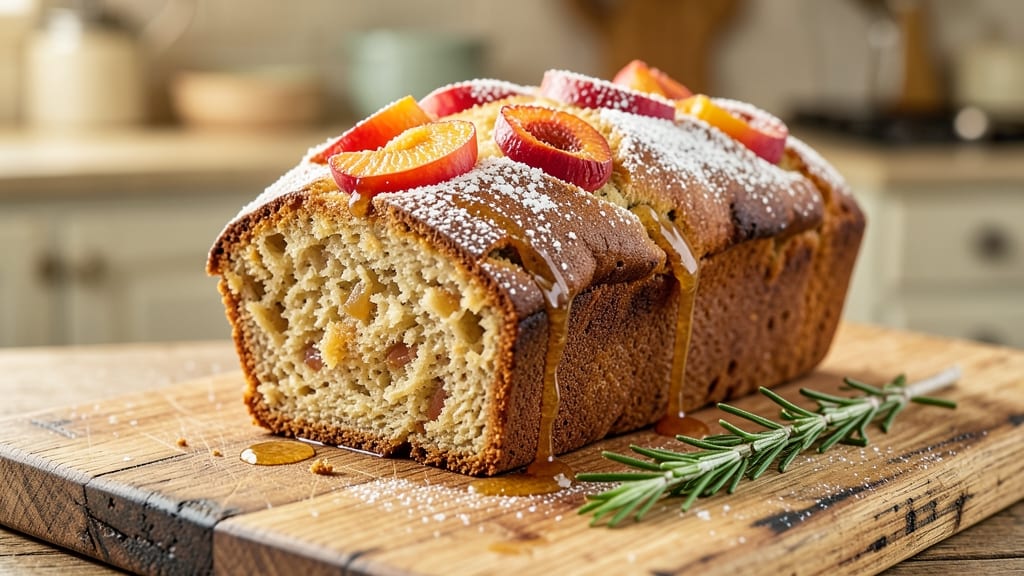
This apricot tea bread recipe transforms a simple loaf into a fragrant, buttery masterpiece with swirls of spiced apricot jam. The secret lies in steeping black tea directly into the dough, infusing it with an aromatic depth that pairs perfectly with the warm, jammy sweetness.
Every slice promises layers of texture—tender crumb, crisp crust, and bursts of jam—making it ideal for breakfast or afternoon tea.
The process begins with a straightforward dough that comes together in minutes, but the magic happens during the 30-minute rise and the final 45-minute bake. While the bread bakes, the apricot jam swirls caramelize slightly, creating pockets of concentrated fruit flavor.
For an extra touch, brush the crust with melted butter during the last 5 minutes to enhance that golden, buttery finish.
What sets this recipe apart is its versatility—serve it warm with a pat of butter, dusted with powdered sugar, or topped with a light glaze for a restaurant-worthy presentation. The tea infusion adds complexity, while the apricot swirls keep it bright and inviting.
Perfect for holidays, gifts, or a cozy weeknight treat, this bread delivers on both flavor and texture every time.
For those who prefer a lighter touch, reduce the sugar slightly or swap the jam for a homemade apricot compote. The result remains just as tender and fragrant, proving that even small adjustments can yield big rewards. Let’s create something truly special—one loaf at a time.
Ingredients for apricot tea bread
Simple pantry staples and a few specialty touches create this fragrant apricot tea bread.
| Ingredient | Amount | Notes |
|---|---|---|
| All-Purpose Flour 🌾 | 4 cups | Sifted for light texture |
| Granulated Sugar 🍚 | 1 ½ cups | White or light brown |
| Unsalted Butter 🧈 | 1 cup | Cold, cubed, full-fat |
| Large Eggs 🥚 | 2 whole | Room temperature |
| Black Tea Bags ☕ | 2 whole | Earl Grey or English breakfast |
| Hot Water 💧 | 1 cup | Steep tea in this |
| Apricot Jam 🍑 | 1 cup | High-quality, unsweetened |
| Ground Cinnamon 🌿 | 1 tsp | Freshly ground preferred |
| Ground Ginger 🌶️ | ½ tsp | Freshly ground for warmth |
| Baking Powder 🍞 | 2 tsp | Aluminum-free preferred |
| Salt 🧂 | ½ tsp | Fine sea salt |
| Vanilla Extract 🌸 | 1 tsp | Pure vanilla preferred |
| Powdered Sugar 🍚 | 2 tbsp | For dusting finished bread |
The black tea bags are non-negotiable for that signature aroma—Earl Grey adds bergamot notes, while English breakfast delivers bold depth. Whole Foods or Trader Joe's carry excellent options, or use loose-leaf tea for even better infusion. The apricot jam should be thick and chunky—avoid those overly sweet, processed varieties. Smucker's unsweetened jam works well, but homemade is ideal. For the flour, King Arthur is my go-to for consistent results, though any high-quality all-purpose works. The butter must be cold when mixed into the dough to prevent overdevelopment.
No black tea? Chamomile or hibiscus tea can mimic floral notes, though the flavor won't be identical. Short on jam? Apricot preserves thinned with lemon juice work in a pinch, but reduce the sugar slightly to balance sweetness. The spices—cinnamon and ginger—are essential for warmth, but if you prefer milder flavor, halve the ginger. For a lighter bread, swap half the sugar for applesauce (reduce other liquids by 2 tbsp). The dough should be tacky but manageable—add 1 tbsp more flour only if absolutely necessary.
This bread keeps beautifully for 3-4 days at room temperature, wrapped in foil. For longer storage, freeze slices wrapped individually—they reheat perfectly in a 350°F oven for 5-7 minutes. The tea-infused dough can be prepped ahead and refrigerated overnight, then baked the next morning. Brush the crust with melted butter during the last 5 minutes for that signature golden finish. Dust with powdered sugar right after baking for an elegant touch.
Why You'll Love This Recipe
- Tea-Infused Magic: I swear by those simple black tea bags—just steeped in hot water and stirred into the batter. That earthy, cozy aroma? It’s like wrapping your loaf in a warm hug before it even bakes.
- One-Bowl Wonder: No mixing bowls to wash, no fussing with layers. You cream butter and sugar, toss in flour and eggs, fold in the tea, then stir in those juicy apricots—done. My lazy Sunday mornings thank me every time.
- Breakfast or Snack Hero: Slice it thick for a buttery breakfast toast with jam, or pack it for lunch—it stays fresh for days. Honestly, I’ve eaten it cold, warmed with cinnamon sugar, even as a midnight craving cure. It’s that good.
- Budget-Friendly Luxury: Butter, flour, sugar—pantry staples you already own. The tea bags add depth without costing a fortune, and apricots (fresh or dried) stretch further than you’d think. Fancy enough for company, cheap enough for weeknights.
Step-by-step instructions for apricot tea bread
This method delivers a tender crumb with fragrant spice swirls and a buttery crust every time.
Prepare the Tea Infusion
Place the 2 whole black tea bags into the 1 cup hot water and steep for 5 minutes. This creates the aromatic base that gives this bread its signature tea flavor. Remove the tea bags and let the liquid cool to room temperature. I like to use Earl Grey or English breakfast tea—their robust flavors pair beautifully with the apricot jam.
The tea infusion replaces some of the liquid in traditional bread recipes, adding complexity without altering the structure. If you prefer a stronger tea flavor, you can steep the tea for an additional 2 minutes, but don't exceed 7 minutes or it may become bitter. Let the tea cool completely before using—adding it to warm ingredients can cause the butter to melt prematurely.
Mix the Dough
In a large mixing bowl, combine the 4 cups all-purpose flour, 1.5 cups granulated sugar, 2 teaspoons baking powder, 1 teaspoon ground cinnamon, 0.5 teaspoon ground ginger, and 0.5 teaspoon salt. Whisk these dry ingredients together until evenly distributed. In a separate bowl, beat the 1 cup unsalted butter (cold, cubed) with the 2 whole large eggs and 1 teaspoon vanilla extract until light and creamy.
Gradually add the dry ingredients to the butter mixture, mixing just until combined. Add the cooled tea infusion and mix until a soft dough forms. The dough should be slightly sticky but manageable—if it feels too dry, add 1 tablespoon hot water at a time until it reaches the right consistency. Avoid overmixing; the goal is to develop just enough gluten for structure without making the bread tough.
Create the Apricot Swirls
Divide the dough in half. On a lightly floured surface, roll one half into a 12-inch circle about ½-inch thick. Spread ½ cup apricot jam evenly over the surface, leaving a ½-inch border around the edges. Roll up the dough tightly starting from one edge, pinching the seam to seal. Repeat with the remaining dough and jam.
Place both jam-filled logs side by side in a 9x5-inch loaf pan lined with parchment paper. The dough should fit snugly in the pan. Brush the tops with any remaining jam for extra flavor and a glossy finish. This step ensures the apricot swirls are evenly distributed throughout each slice, creating pockets of fruity goodness in every bite.
Bake to Golden Perfection
Preheat your oven to 350°F. Bake the bread for 45-50 minutes, or until a toothpick inserted in the center comes out clean and the top is golden brown. The bread is done when it springs back slightly when pressed gently in the center. If the top browns too quickly, tent the pan with aluminum foil after 30 minutes to prevent over-browning.
During the last 10 minutes of baking, the bread should develop a beautiful caramelized crust while remaining tender inside. Let the bread cool in the pan for 10 minutes before transferring it to a wire rack. Once completely cooled, dust the top with 2 tablespoons powdered sugar for a sweet, decorative finish. The aroma of warm apricot and spice will fill your kitchen—worth every minute of the wait!
Slice and Serve
Use a serrated knife to slice the bread into 8 equal pieces. The jam swirls should be visible in each slice, creating a beautiful presentation. Serve the bread warm with a cup of freshly brewed tea or as a delightful afternoon treat. The combination of tender crumb, fragrant spices, and sweet apricot jam makes this bread perfect for breakfast, brunch, or dessert.
For best results, store any leftovers in an airtight container at room temperature for up to 3 days or in the refrigerator for up to 5 days. To revive stale bread, warm slices in a 350°F oven for 5-7 minutes until heated through. This bread freezes beautifully too—wrap slices individually in plastic wrap and freeze for up to 3 months. Thaw at room temperature before serving.
Pro Tips For Making Apricot Tea Bread
- STEEP TEA COLD: Pour boiling water over your tea bags, let them sit for 5 minutes, then strain and chill the liquid before mixing into the batter. Cold tea prevents the butter from melting prematurely—trust me, I’ve seen floury disasters from skipping this step.
- CREAM BUTTER AND SUGAR: Beat the softened butter and sugar until the mixture is pale and fluffy, about 3-4 minutes. This isn’t just about aeration—it dissolves sugar evenly, so your bread stays moist instead of turning into a dry, crumbly brick.
- DON’T OVERMIX THE DOUGH: Fold in the flour just until combined—lumps are fine, but don’t turn this into a science experiment. Overmixing develops gluten, and your bread will turn out tough instead of tender. Think "just enough to hold it together."
- USE ROOM-TEMP EGGY: Let your eggs sit out for 20 minutes before cracking them into the batter. Cold eggs can make your butter seize up, and nobody wants a lumpy apricot tea bread. Warm eggs blend smoother and keep the texture light.
Essential equipment for this dish
Loaf Pan Essentials
A 9x5-inch loaf pan is non-negotiable for this recipe—it ensures the perfect height-to-width ratio for even baking.
I recommend using a lightly greased pan or one lined with parchment paper to prevent sticking and make removal effortless. Wilton Non-Stick Loaf Pans are my go-to because they distribute heat evenly and release bread cleanly.
If you don’t have one, a ceramic-coated pan works too, but avoid dark-colored pans that can over-brown the bread. 🍞
Mixing Tools
For the dough, a large mixing bowl (at least 5-quart capacity) is ideal, but any bowl that comfortably holds your ingredients will work. I use a wooden spoon for mixing dry ingredients and a rubber spatula to scrape down the sides—this prevents overmixing and ensures even distribution.
A hand mixer or stand mixer with the paddle attachment can also be used for the wet ingredients, but don’t overmix or the bread will turn out tough. A lightweight dough scraper helps when dividing and rolling the dough into logs. 🥄
Tea Steeping Tools
A small heatproof pitcher or glass measuring cup is perfect for steeping the tea—it keeps the liquid contained and makes it easy to remove the tea bags. I prefer glass because it’s easy to see the color of the tea as it steeps.
A fine-mesh strainer or tea infuser helps remove the tea bags completely, preventing any bitter residue from lingering in the dough. For loose-leaf tea, a tea ball or infuser basket works best. 🍵
Rolling and Shaping
To create the jam swirls, you’ll need a lightly floured surface and a rolling pin (or even a wine bottle in a pinch). A bench scraper helps divide the dough evenly, while plastic wrap keeps the rolled logs from drying out if you’re prepping ahead.
For sealing the seams, a damp finger or small brush works better than twisting the dough—this ensures a clean finish. 🍇
Butter and Glaze Tools
A small saucepan is perfect for melting the butter for brushing during the final baking stage. I use a pastry brush (about 1-inch wide) to apply the butter evenly, but a silicon brush or even a clean kitchen towel works too.
For the powdered sugar glaze, a fine-mesh sieve ensures a smooth, even dusting. Keep a small bowl nearby to catch any excess sugar for easy cleanup. 🧈
Baking and Cooling
An oven thermometer is a game-changer—it ensures your oven is actually at 350°F (many ovens run hot or cold). A wire cooling rack is essential for letting the bread cool evenly, preventing a soggy bottom.
For testing doneness, a long toothpick or skewer works perfectly. If you’re short on time, a digital instant-read thermometer can check the internal temperature (190-200°F is ideal). 🔥
Nutrition facts
Frequently asked questions
Can I substitute the apricot jam with another fruit?
For a similar texture, try peach, plum, or raspberry jam. Each will bring different flavors—peach adds a lighter sweetness while raspberry offers tartness. If using preserves with less pectin, reduce the sugar in the dough by 1-2 tablespoons to balance the sweetness. For a non-fruit option, try a honey-spiced mixture (mix ½ cup honey with 1 tsp cinnamon).
Why does my apricot tea bread turn out dense?
Overmixing the dough or using warm butter are the most common culprits. Always keep butter cold when mixing and stop combining once the ingredients are just incorporated. Another tip: ensure your baking powder is fresh—old baking powder loses potency. If the bread still feels dense, try reducing the sugar by 2 tbsp next time or adding 1 extra egg yolk for extra moisture.
How can I make this recipe vegan?
Replace the butter with ½ cup vegan butter or coconut oil (solid at room temp) and use 2 flax eggs (2 tbsp ground flaxseed + 6 tbsp water). For the tea infusion, use herbal tea (like chamomile) instead of black tea. The dough may need 1 extra tbsp water since plant-based fats behave differently. Bake at 350°F for 50-55 minutes—vegan bread often needs slightly longer.
Can I make this bread without a loaf pan?
Yes! For a freeform version, shape the dough into a 12-inch round on a baking sheet. Brush with melted butter and bake at 350°F for 35-40 minutes. Alternatively, use a cast-iron skillet for a rustic look—reduce baking time to 30-35 minutes. The texture will be slightly denser than pan-baked, but still delicious. For a boulesque shape, let the dough rise on parchment before baking.
What's the best way to reheat stale apricot tea bread?
Wrap slices in foil and warm at 350°F for 5-7 minutes until heated through. For a crispier crust, broil for 1-2 minutes at the end. A microwave works in a pinch (15-20 seconds), but it can make the bread gummy. To prevent staleness, store in an airtight container with a slice of white bread to absorb moisture—it keeps the apricot tea bread fresh longer.