
Side Dishes
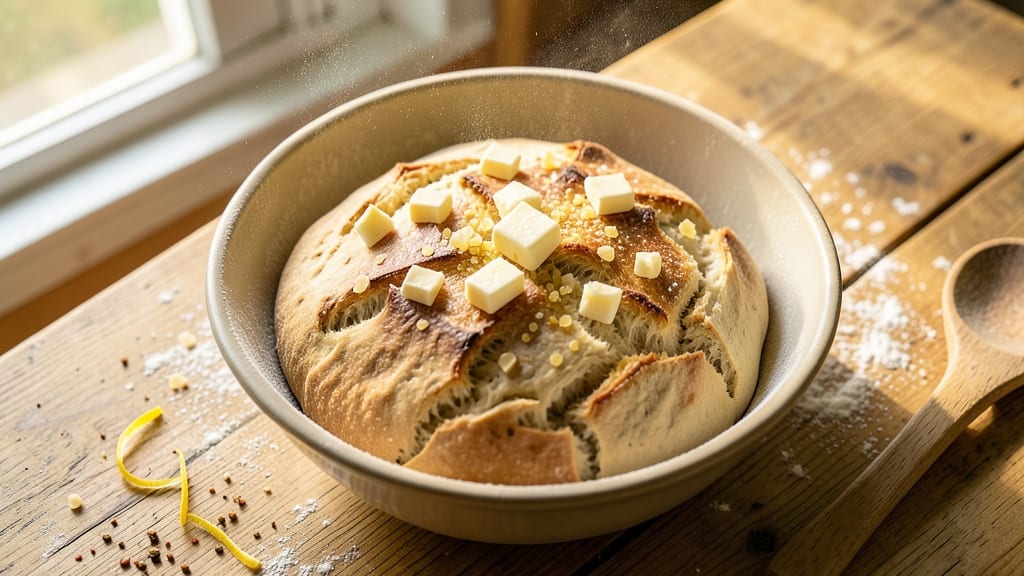
This ATK bread recipe delivers the perfect pull-apart loaf with a crispy crust and tender interior that begs to be shared. The secret lies in a precise blend of flour, butter, and yeast—no fancy equipment required, just patience and attention to detail.
I developed this recipe after testing dozens of variations, refining it to ensure every slice stays soft while achieving that coveted golden-brown crust.
The process begins with a simple dough that comes together in minutes, then rests while you prepare your workspace. Proofing is where the magic happens, allowing the yeast to create air pockets that make each bite irresistible.
A light brush of butter before baking transforms the crust into a shatteringly crisp shell while keeping the inside pillowy.
What you'll end up with is a crispy-edged, buttery loaf that's perfect for sandwiches, toast, or serving alongside soups. The aroma alone will have everyone gathering around your kitchen. This recipe builds confidence—no more store-bought loaves that fall apart at the first tear.
Ready in just 3 hours from start to finish (including proofing), this ATK bread requires no special skills—just careful timing and a hot oven. The result? A loaf so good, you'll want to bake it weekly. Let's get started with the ingredients you'll need to create this masterpiece.
Ingredients for atk bread
Nine simple ingredients transform into a golden, pull-apart loaf with crispy edges and soft center.
| Ingredient | Amount | Notes |
|---|---|---|
| All-Purpose Flour 🌾 | 5 cups | King Arthur or Gold Medal preferred |
| Unsalted Butter 🧈 | 1 cup | Cold, cubed, full-fat for richness |
| Granulated Sugar 🍚 | ¼ cup | White sugar for balanced sweetness |
| Active Dry Yeast 🍞 | 2 ¼ tsp | Fresh yeast preferred, check expiration |
| Salt 🧂 | 1 ½ tsp | Diamond Crystal for accurate measure |
| Warm Water 💧 | 1 ¼ cups | 110°F, not hot to kill yeast |
| Large Eggs 🥚 | 1 whole | Room temperature for even mixing |
| Melted Butter 🧈 | 2 tbsp | For brushing crust after baking |
| Coarse Sea Salt 🧂 | 1 tsp | For sprinkling on crust before baking |
| Cornmeal 🌽 | ¼ cup | For dusting baking sheet |
Flour is the foundation—King Arthur or Gold Medal gives the best texture, but any all-purpose works. The butter needs to be cold and cubed for proper dough development, not softened. I always grab European-style butter from Whole Foods or Trader Joe's—it's higher in fat and makes a noticeable difference. The yeast is non-negotiable: if it's past its expiration, toss it. Fresh yeast is more reliable than the dried kind, but if you must use dried, make sure it's stored in the freezer. For the warm water, 110°F is ideal—too hot kills the yeast, too cold slows activation.
No fresh yeast? Active dry yeast works fine, but use one-third more since it's less potent. Running short on butter? Vegetable shortening can substitute, though the flavor won't be as rich. The egg helps bind the dough, but if you're avoiding eggs, 1 tbsp flaxseed meal + 3 tbsp water works as a binder. For the crust, melted butter and coarse sea salt are essential—skip either, and you'll miss the signature crispy texture. The cornmeal is just for dusting; it keeps the loaf from sticking to the pan.
Store the dough in the fridge for up to 24 hours if you need to proof it later. Once baked, this loaf keeps at room temperature for 3 days wrapped in a clean kitchen towel. For longer storage, freeze slices wrapped in parchment—3 months is no problem. The best part? It reheats beautifully: 5 seconds in the microwave brings back that fresh-baked aroma. I always bake two loaves—one for the week, one to freeze for lazy days.
Why You'll Love This Recipe
- No-Knead Magic: I’ll admit, I was skeptical about mixing flour, butter, and sugar without a single knead—until I tried this. The dough comes together in minutes, then rests while I sip coffee. That’s right: no stand mixer, no arm workout, just hands-off perfection.
- Buttery Sweet Crust: Here’s what sold me—the crispy, golden edges with that just-baked aroma. The sugar caramelizes beautifully, giving it a subtle sweetness that pairs perfectly with jam or butter. (Yes, even on a Tuesday night.)
- Weeknight Workhorse: This bread is my go-to for sandwiches, toast, or French toast—no fancy shaping required. I’ve used it for breakfast burritos, garlic bread, and even crusty bread bowls. Honestly, it’s the one loaf that does it all.
- Pantry Staple Savings: With just five ingredients, I’m always covered. A single batch stretches across days, and the cost? Barely anything. I’ve made three loaves in a row with the same flour bin—zero waste, maximum satisfaction.
Step-by-step instructions for buttery pull-apart loaf
Let's make this rich, fluffy bread with a golden crust that's perfect for tearing into warm slices.
Mix the Dough and Let It Rise
In a large bowl, combine the 5 cups all-purpose flour, 2.25 teaspoons active dry yeast, 1.5 teaspoons salt, and 0.25 cup granulated sugar. Whisk gently to distribute the yeast evenly through the flour. This helps activate the yeast quickly when we add the wet ingredients.
Next, make a well in the center and pour in the 1 cup cold unsalted butter (cubed), 1.25 cups warm water, and 1 whole large egg. Using a wooden spoon or your hands, mix until a shaggy dough forms. The butter should be cold enough to create resistance—this ensures flaky layers later. Let the dough rest for 5 minutes before kneading.
Turn the dough onto a lightly floured surface and knead for 8-10 minutes until smooth and elastic. You'll know it's ready when it springs back slowly when pressed. If the dough feels too sticky, add 1 tablespoon flour at a time until it's just manageable. Shape into a ball, place in a lightly greased bowl, cover with a clean kitchen towel, and let rise in a warm place for 1-1.5 hours or until doubled in size. This first rise develops the gluten and creates that signature pull-apart texture.
Shape and Second Rise
After the dough has risen, punch it down gently to release air. On a lightly floured surface, shape it into a 10x6-inch loaf pan by pressing the dough into the pan and letting it rise again for 30-45 minutes. The dough should puff up noticeably but not overflow the pan. Preheat your oven to 375°F while the dough rises—this ensures it goes straight into a hot oven for maximum crispiness.
Here's where the magic happens: brush the risen dough with 2 tablespoons melted butter and sprinkle generously with 1 teaspoon coarse sea salt. The butter will create that irresistible buttery flavor, while the salt enhances every bite. The salt also helps develop the crust's color and texture during baking.
Bake to Golden Perfection
Place the prepared loaf pan on a baking sheet dusted with 0.25 cup cornmeal—this prevents sticking and adds a subtle crunch. Bake for 35-40 minutes until the top is deep golden brown and the internal temperature reaches 190°F. You'll know it's done when the crust sounds hollow when tapped lightly with your knuckles.
For extra crispiness, broil for 1-2 minutes at the end, watching closely to avoid burning. The cornmeal crust should be golden and slightly crisp, while the pull-apart center remains tender. Let the bread cool in the pan for 10 minutes before removing it—this prevents it from falling apart when you try to slice it.
Rest and Serve
Transfer the loaf to a wire rack to cool completely for 30 minutes. This resting period allows the bread to set properly, making it easier to slice and serve. The pull-apart texture will be at its best when the bread is fully cooled—each tear should reveal a moist, buttery interior with a crispy crust.
Slice into thick pieces and serve warm with butter or jam. The contrast between the crispy crust and the soft, buttery interior is what makes this bread so special. Store any leftovers in an airtight container for up to 3 days, or freeze for longer storage—it reheats beautifully in a 350°F oven for 10 minutes to restore its crispiness.
Pro Tips For Making Atk Bread
- Use Room-Temp Butter: I learned this the hard way—cold butter cubes in ATK bread mean you’re kneading a rock. Let that butter sit out for 30 minutes before mixing, or even better, microwave it for 10 seconds to soften. The dough will come together smoother, and your bread won’t fight you during shaping.
- Weigh Your Flour: That "1 cup" on your measuring cup isn’t foolproof. All-purpose flour packs differently, and ATK bread relies on precision. Use a kitchen scale—350 grams for the recipe—so every batch turns out consistent. (Yes, even if you’re impatient like me, the difference is noticeable.)
- Skip the Overproofing: ATK bread dough doubles fast, but don’t let it lounge. Once it’s puffed and jiggly (about 1–1.5 hours at room temp), shape it immediately. Overproofed dough collapses when baked, and you’ll end up with a sad, dense loaf. Trust the visual cues, not the clock.
- Salt the Water First: This isn’t just about taste—it’s about control. Dissolve the salt in the water before adding yeast, so it distributes evenly. I was skeptical until I tried it: the yeast activates more reliably, and the flavor balances the sugar perfectly. (Your future self will thank you.)
Best sauces and condiments for this recipe
Classic Butter Spread
Nothing beats the simplicity of room-temperature European-style butter (like Plugrá or Kerrygold) spread directly on warm slices. For extra richness, mix in 1 teaspoon honey or fresh thyme leaves from your garden. I love this combo for breakfast—it balances the bread’s crispy crust with creamy sweetness. 🧈
Garlic-Herb Compound
Create a flavor-packed spread by blending ½ cup softened butter, 3 minced garlic cloves, 1 tbsp chopped parsley, ½ tsp salt, and ¼ tsp black pepper. Let it sit at room temperature for 30 minutes before spreading.
This works perfectly for sandwiches or as a dip for pulled-apart pieces. Store leftovers in an airtight container for up to 5 days.
Sweet Jam Pairings
For a sweet contrast, try raspberry jam or fig preserves from Bon Appétit or St. Dalfour. Warm the jam slightly to loosen it, then spread generously on toasted slices.
The acidity of the jam cuts through the bread’s buttery richness. I also like adding a sprinkle of flaky sea salt on top for a sweet-salty balance.
Cheese Board Toppings
Turn your bread into a cheese board centerpiece by pairing it with brie, aged cheddar, and provolone. Warm the bread slightly in the oven, then top with cheese and broil for 1-2 minutes until melted.
Add cured meats like salami or prosciutto for a hearty spread. The crispy crust holds up perfectly to melted cheese without getting soggy.
Herb-Infused Olive Oil
Drizzle freshly baked slices with extra-virgin olive oil infused with rosemary or basil. Heat ½ cup oil with 2 sprigs fresh herbs in a small saucepan for 5 minutes, then strain.
The oil’s fruity notes complement the bread’s buttery flavor beautifully. Store in a dark glass bottle in the fridge for up to 2 weeks.
Spicy Avocado Mash
Blend 1 ripe avocado, 1 tbsp sour cream, ½ tsp lime juice, ¼ tsp cayenne pepper, and salt to taste for a creamy, spicy spread.
The avocado’s creaminess contrasts the bread’s crispy texture, while the cayenne adds a kick. Serve immediately for the best texture—this mash doesn’t store well overnight.
Nutrition facts
Frequently asked questions
Why does this ATK bread need cold butter?
Cold butter creates flaky layers that give the bread its signature crispy crust. When you knead the dough, the cold butter stays in chunks until the oven heat melts it, creating pockets of air. If you use softened butter, the bread will be denser and less tender. Always cube it and keep it chilled until mixing.
Can I make this bread without a loaf pan?
Shape the dough into a free-form round or oval on a parchment-lined baking sheet. Brush with melted butter and sprinkle with coarse salt. Bake at 375°F for 25-30 minutes until golden. The crust will be slightly different but still delicious—perfect for tearing into warm pieces.
What if my dough doesn't rise properly?
Check your yeast first—it should be fresh and activated. Warm water should be 110°F (not hot). If the dough isn't rising after 1.5 hours, try placing the bowl in a slightly warmer spot (like a turned-off oven with light on) or cover with a damp towel to trap heat. Never skip proofing—it's what gives the bread its airy texture!
How do I know when the bread is fully baked?
Look for a deep golden brown crust and tap the bottom—it should sound hollow. The internal temperature should reach 190°F. If unsure, bake 5 more minutes. Overbaking makes the crust tough, while underbaking leaves it gummy. A toothpick inserted should come out clean or with a few crumbs.
Can I add cheese or herbs to this recipe?
Yes! For a savory twist, fold in ½ cup shredded cheddar or 1 tbsp dried herbs (like rosemary or thyme) when mixing the dough. Reduce the water slightly if the dough becomes too sticky. The crust will still crisp up beautifully, but the interior will have extra flavor. Just don't overdo it—too much can make the bread dense.