
Side Dishes
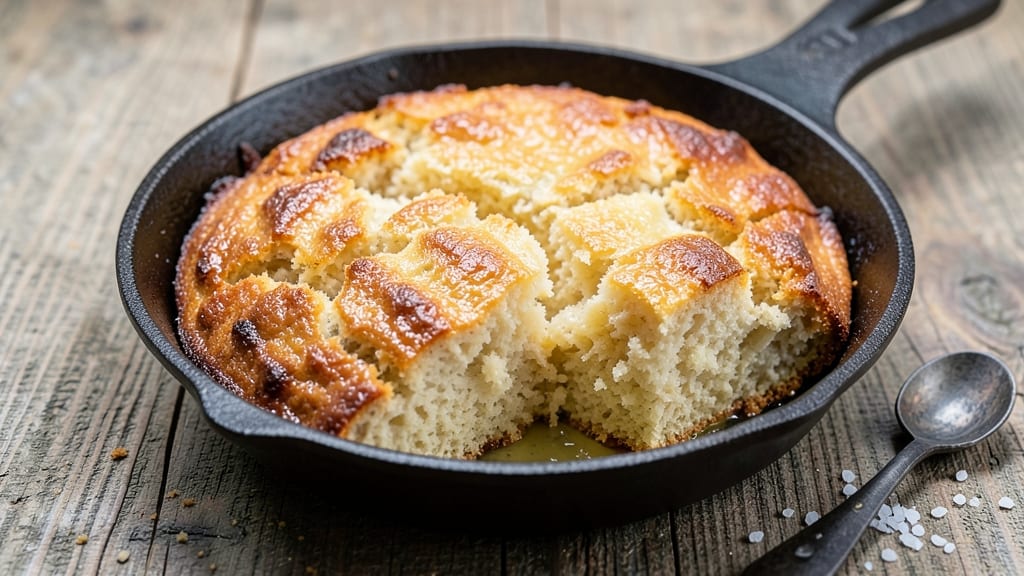
Aunt Jemima white cornmeal cornbread delivers that perfect balance of crisp golden crust and tender, crumbly interior that Southern kitchens have perfected for generations. This recipe captures the essence of classic cornbread while keeping the technique approachable for home cooks—no advanced skills required.
The secret lies in the right ratio of cornmeal to flour and a precise baking method that ensures consistent texture every time.
What sets this version apart is the buttery richness that comes from using high-quality shortening or butter in the batter, creating that signature flavor and moisture.
Traditional Southern techniques like baking in a hot cast-iron skillet (if available) help achieve that coveted crisp crust while keeping the inside soft and inviting. The recipe also includes a foolproof method for achieving the perfect crumb without overmixing or underbaking.
By the time you pull this cornbread from the oven, you'll have a loaf with a crackly top and a tender interior that practically melts in your mouth. The aroma alone will have everyone gathering around the table—it's that good.
This recipe serves 8-10 and pairs beautifully with chili, soups, or as a side to any hearty meal.
For those looking to elevate it further, optional variations include adding sharp cheddar cheese for a savory twist or fresh herbs like thyme for an aromatic touch.
The beauty of this recipe is its versatility—whether you're serving it at a family gathering or enjoying a quiet weeknight dinner, it delivers that comforting taste of home.
Ingredients for aunt jemima white cornmeal cornbread
The classic Southern ingredients that create that signature buttery crust and tender crumb.
| Ingredient | Amount | Notes |
|---|---|---|
| White Cornmeal 🌽 | 2 cups | Fine grind for best texture |
| All-Purpose Flour 🌾 | 1 cup | White flour preferred |
| Baking Powder 🧂 | 1 ½ tsp | Aluminum-free for best rise |
| Salt 🧂 | ½ tsp | Kosher or sea salt |
| Granulated Sugar 🍚 | 1 ½ tbsp | Light brown sugar optional |
| Unsalted Butter 🧈 | ½ cup | Cold, cubed for best flakiness |
| Buttermilk 🥛 | 1 ¼ cups | Homemade or store-bought |
| Large Eggs 🥚 | 1 whole | Room temperature preferred |
| Vegetable Oil 🫒 | ¼ cup | Light olive oil works too |
| Sharp Cheddar Cheese 🧀 | 1 cup | Shredded, optional for savory |
| Fresh Thyme Leaves 🌿 | 1 tbsp | Chopped, optional for aroma |
| Cornbread Mix (optional) 🍞 | 1 box | For shortcut version |
The cornmeal is the star here—Bob's Red Mill or Anthony's Goods are my go-tos for that fine grind that makes all the difference. If you're using a shortcut mix, Jiffy or Krusteaz work well, but the homemade version has that restaurant-quality texture. The butter matters too—Land O'Lakes or Plugrah brands stay cold longer when cubed, which helps create that flaky crust. For the buttermilk, homemade is easy: just mix milk with vinegar and let it sit for 5 minutes. If you're short on time, store-bought works just fine.
No buttermilk? Substitute with milk plus 1.5 tsp vinegar or lemon juice. Want to skip the cheese? Add an extra 0.25 cup of cornmeal for a purer cornbread flavor. Fresh thyme is ideal, but dried thyme at one-third the amount works in a pinch. The baking powder is crucial—Diamond Crystal is my preferred brand as it's aluminum-free. If you're using a mix, just add the butter, buttermilk, and egg as directed, but skip the extra ingredients to keep it authentic.
This batter thickens fast, so whisk everything together just until combined—overmixing makes cornbread tough. For that classic cast-iron crust, preheat your skillet in the oven for 10 minutes at 450°F. The cornbread keeps well for 3 days in an airtight container at room temperature, or 1 week in the fridge. Reheat in a 350°F oven for 5-10 minutes to restore that crispy texture. Freezes beautifully for up to 3 months—just wrap tightly in foil.
Why You'll Love This Recipe
- Five-Ingredient Magic: I swear by this recipe because it’s the kind of thing you can measure, mix, and bake without overthinking. White cornmeal gives that classic crumb, while just a pinch of sugar and baking powder keep it light—no fancy techniques needed.
- Sweet-Savory Balance: That little hit of sugar in the batter? It’s not too sweet, but it rounds out the cornbread’s natural nuttiness perfectly. Honestly, it’s the kind of flavor that makes you reach for seconds without trying.
- Weeknight Workhorse: I make this for breakfast with eggs, as a side for chili, or even toasted with butter for a snack. The beauty is, it’s always welcome—no matter what’s on the menu.
- Budget-Friendly Staple: Aunt Jemima’s cornmeal is cheap, the flour lasts forever, and a single batch stretches for days. Between us, I’ve had this for dinner twice this week, and no one’s complained—yet.
Step-by-step instructions for aunt Jemima white cornmeal cornbread
Here's how to achieve that signature buttery crust and tender crumb—every time.
Preheat and Prepare Your Pan
Preheat your oven to 425°F. Generously grease a 9-inch cast-iron skillet with 2 tablespoons of the vegetable oil, rubbing it evenly along the bottom and sides. This ensures the cornbread won't stick and creates that perfect golden crust. For extra flavor, I like to sprinkle a pinch of the salt into the pan before adding the batter—it dissolves slightly and enhances the crust.
While the oven heats, prepare a small bowl for the wet ingredients and another for the dry. Keep them separate until you're ready to mix. This prevents the baking powder from activating too early, which can make your cornbread dense instead of light and fluffy.
Mix Wet Ingredients to a Smooth Batter
In a medium bowl, combine the 1.25 cups buttermilk, 1 whole large egg, 1.5 tablespoons granulated sugar, and 0.5 cup unsalted butter. Whisk vigorously for 2 minutes until the butter is completely melted and the mixture is smooth. The butter should be fully incorporated, leaving no visible chunks—this ensures a rich, buttery flavor throughout.
Add the 0.25 cup vegetable oil and whisk again for 30 seconds. If using the 1 cup sharp cheddar cheese, fold it in now using a rubber spatula. The cheese adds a sharp, savory contrast to the sweetness of the cornbread, but omit it if you prefer a sweeter version. Set the wet mixture aside while you prepare the dry ingredients.
Combine Dry Ingredients for Lightness
In a separate large bowl, sift together the 2 cups white cornmeal, 1 cup all-purpose flour, 1.5 teaspoons baking powder, and 0.5 teaspoon salt. Use a whisk to break up any lumps in the cornmeal—this ensures an even texture in the final cornbread. If using the 1 tablespoon fresh thyme leaves, chop them finely and stir them into the dry mixture now for a subtle herbal note.
For the shortcut version, mix 1 box cornbread mix with the dry ingredients instead of measuring separately. This works well if you're in a hurry, though the texture will be slightly different. Gently pour the dry ingredients into the wet mixture and fold together with a spatula, mixing just until combined. Avoid overmixing—you should still see streaks of flour in the batter. This keeps the crumb tender and prevents a tough texture.
Bake for a Golden, Crispy Crust
Carefully pour the batter into the prepared cast-iron skillet, spreading it evenly into the corners. Tap the pan gently on the counter to release any air bubbles. Bake for 20-25 minutes until the edges are deep golden brown and the top springs back when pressed lightly with your finger. The center should look slightly underdone—this is normal and ensures a moist crumb.
If the top browns too quickly, tent the skillet loosely with aluminum foil during the last 5 minutes of baking to prevent over-browning. The cornbread is done when the internal temperature reaches 200°F at the center. Remove from the oven and let it rest in the pan for 5 minutes before serving. This resting period allows the crumb to set and makes slicing easier.
Serve Warm with Butter and Honey
Run a sharp knife around the edges of the cornbread to loosen it from the pan, then invert onto a serving plate. The crust should release easily if properly greased. Slice into wedges and serve immediately while still warm. The contrast of the crispy, buttery crust and the soft, crumbly interior is what makes this cornbread special.
For serving, I like to drizzle with melted butter and a touch of honey, or serve it alongside honey butter for dipping. The cornbread keeps well at room temperature for 2 hours or can be reheated in a 350°F oven for 5-10 minutes to restore its crispiness. Enjoy it fresh for the best texture and flavor!
Pro Tips For Making Aunt Jemima White Cornmeal Cornbread
- MEASURE CORNMEAL RIGHT: Aunt Jemima’s package says "1 cup," but scoop it straight from the bag and you’re playing Russian roulette with texture. Spoon the cornmeal into a dry measuring cup, then level it off with a knife—no packing, no tapping. Too much, and your cornbread turns dense; too little, and it’s gummy.
- STOP OVERMIXING THE BATTER: I used to treat cornbread batter like pancake batter—whisking it into submission. Wrong move. Once you fold in the buttermilk (or milk), stir just until the flour disappears. Lumps are fine; overworking makes it tough. Think "just combined," not "smooth as silk."
- USE A CAST-IRON SKILLET: This isn’t optional. A regular oven-safe dish won’t give you that crispy edge and even bake. Preheat the cast iron on medium-high for 5 minutes—hot enough so a drop of water sizzles instantly. No cast iron? A heavy steel or ceramic pan works, but it’ll take longer to brown.
- LET IT REST BEFORE SLICING: Cut into it too soon, and you’ll end up with a crumbly mess. Give it 10 minutes under a towel to firm up. The edges pull away from the pan naturally—wait for that, or you’ll fight with the knife. (Yes, even if you’re impatient like me.)
Storing and reheating your leftovers
Room Temperature Storage
This cornbread stays fresh at room temperature for up to 3 days when stored in an airtight container—I prefer glass containers with tight-sealing lids. The key is letting it cool completely first to prevent moisture buildup.
Place a paper towel on top before sealing to absorb any excess steam. For extra crispiness, I like to reheat slices in a 350°F oven for 5-7 minutes before serving. 🥖
Fridge Preservation
If you need to store leftovers longer, refrigerate for up to 1 week in the same airtight container. The texture will soften slightly, but warming it in the oven restores that perfect crunch.
For quick reheating, wrap individual slices in foil and warm at 350°F for 3-5 minutes. Avoid the microwave—it turns the crust soggy.
Freezer-Friendly Method
Cornbread freezes beautifully for up to 3 months! Wrap cooled slices tightly in plastic wrap, then place in a freezer bag with all air removed. For serving, thaw overnight in the fridge, then reheat at 350°F for 8-10 minutes until crispy.
I also freeze the whole loaf before slicing—just wrap it directly in foil for easier portioning later. ❄️
Reviving Crispiness
If your stored cornbread loses its crunch, here's my foolproof fix: Spritz slices with water using a spray bottle, then broil at 400°F for 2-3 minutes until golden again. For extra flavor, brush with melted butter before broiling. This works even for fridge-stored cornbread that's been sitting for days.
Portioning Tips
For meal prep, slice the cornbread while still warm—it's easier to cut cleanly. Store individual portions in small containers or ziplock bags to maintain freshness. Label with dates to track storage time. When reheating, cover slices loosely with foil to prevent drying out while restoring that golden crust. 📅
Nutrition facts
Frequently asked questions
Can I substitute yellow cornmeal for white cornmeal?
You can use yellow cornmeal, but the texture will be slightly denser and more rustic. White cornmeal creates that classic tender crumb, while yellow adds a deeper flavor and coarser texture. For best results, stick with white cornmeal for the authentic Southern-style cornbread. If you must substitute, use a 50/50 blend to balance texture.
Why did my cornbread turn out dense instead of crumbly?
Overmixing the batter is the most common cause—stop mixing as soon as you see no dry spots. Another issue could be underbaking or using old baking powder. Always preheat your pan properly and bake until the internal temperature reaches 200°F. For extra lightness, let your ingredients sit at room temperature before mixing.
How do I make this recipe gluten-free?
Replace the 1 cup all-purpose flour with 1 cup gluten-free 1:1 baking flour (like Bob's Red Mill) and add 0.5 teaspoon xanthan gum to improve texture. Use a fine white cornmeal for the best crumb. The baking powder and salt measurements remain the same. Expect a slightly denser but still delicious result.
Can I make this cornbread in a regular baking dish instead of cast iron?
Yes! Use a 9-inch round or square baking dish and grease it thoroughly. The crust won't be as crispy as cast iron, but the interior will still be tender. For better results, place the dish on a baking sheet to catch any drips. Bake for 25-30 minutes until golden and set.
What's the best way to add jalapeños for spicy cornbread?
Finely dice 1-2 fresh jalapeños (remove seeds for mild heat) and fold them into the wet ingredients. For extra flavor, sauté them in a little oil until softened before adding. Start with 1 jalapeño if you're new to spicy cornbread—you can always add more next time! The heat will mellow slightly as it bakes.