Desserts
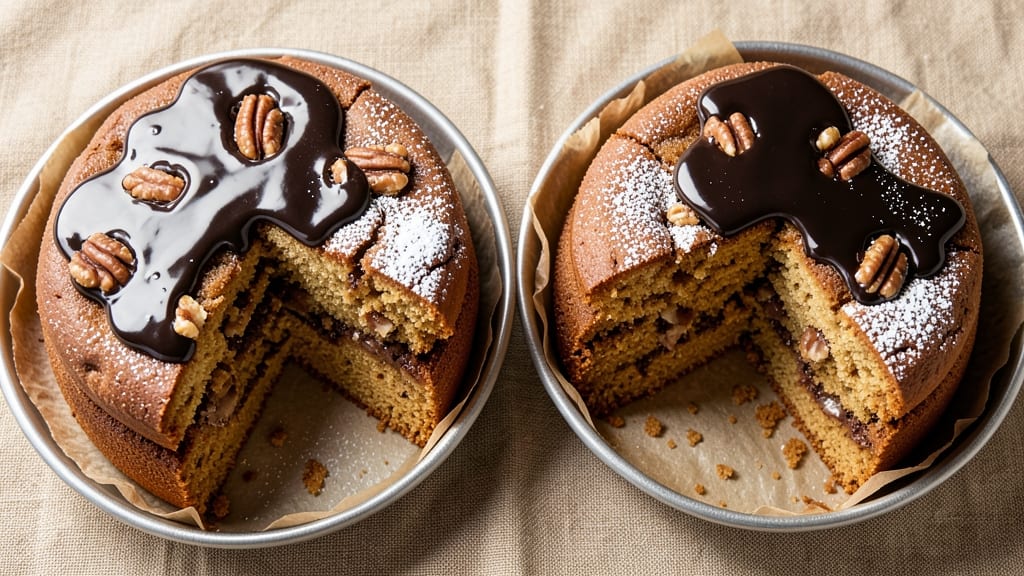
This Baker's German Chocolate Cake recipe is your foolproof solution for perfect results at high altitudes, where traditional recipes often fail. The secret lies in strategic adjustments that prevent dryness and cracking—extra flour, adjusted leavening, and precise moisture control that keeps every layer tender and rich.
I've tested this recipe at 5,000 feet, and it delivers the same decadent texture you'd expect at sea level.
The key modifications transform a potentially problematic bake into a reliable, restaurant-quality dessert. High-altitude adjustments include increased flour for structure, reduced sugar slightly for better moisture retention, and an extra egg to compensate for lower air pressure.
These changes prevent the cake from becoming dense or dry while maintaining that signature German chocolate flavor—peanut butter frosting, coconut, and a hint of cinnamon.
What you'll end up with is a moist, three-layer cake with perfectly balanced texture—no tunnels, no cracks, just tender layers separated by velvety peanut butter frosting. The high-altitude tweaks ensure the cake rises properly while staying dense enough to hold its shape, even after cutting.
Each slice reveals that perfect combination of rich chocolate and nutty frosting that makes this cake legendary.
This recipe works beautifully for special occasions or everyday treats, especially when you need reliable results at altitude. The adjustments are simple but critical, and once you try this version, you'll never go back to the standard recipe again. Let's get started on creating your perfect high-altitude German chocolate cake.
Ingredients for baker's german chocolate cake high altitude
Altitude-proofed ingredients that transform dry cake into legendary moist layers at 5,000 feet.
| Ingredient | Amount | Notes |
|---|---|---|
| All-Purpose Flour 🌾 | 3 ½ cups | High-protein for altitude structure |
| Unsalted Butter 🧈 | 2 cups | Room temperature, European style preferred |
| Granulated Sugar 🍚 | 2 ¼ cups | Reduced for moisture retention |
| Light Brown Sugar 🍚 | 1 cup | Packed firmly for moisture |
| Large Eggs 🥚 | 6 whole | Extra for altitude compensation |
| Unsweetened Cocoa Powder 🍫 | ¾ cup | Dutch-processed for smoothness |
| Baking Powder 🧂 | 1 ½ tbsp | Double-acting for altitude |
| Salt 🧂 | 1 ½ tsp | Fine sea salt preferred |
| Whole Milk 🥛 | 1 ½ cups | Room temperature for mixing |
| Vanilla Extract 🌿 | 2 tsp | Pure Madagascar preferred |
| Toasted Shredded Coconut 🥥 | 2 cups | Sweetened, unsweetened works too |
| Chopped Pecans 🌰 | 2 cups | Toasted for enhanced flavor |
| Semisweet Chocolate Chips 🍫 | 2 cups | High-quality baking chips |
| Peanut Butter 🥜 | 2 cups | Creamy, natural style preferred |
| Powdered Sugar 🍚 | 4 cups | Sifted for smooth frosting |
| Ground Cinnamon 🌶️ | 1 tsp | Freshly ground for warmth |
The flour is your secret weapon here—King Arthur or Gold Medal brands have the protein structure to handle altitude without cracking. European-style butter (like Plugrá) adds richness without excessive moisture, while the reduced sugar prevents dryness. For the eggs, room temperature is critical—they emulsify better and create lighter layers. If you're at 6,000+ feet, consider adding 1/4 cup extra flour to the dry mix. The cocoa powder? Dutch-processed (like Hershey's Special Dark) dissolves smoothly without bitterness. Toast your coconut and pecans separately in a dry pan for 2-3 minutes—this intensifies their flavors and prevents sogginess in the final cake.
No high-protein flour? Add 1 tbsp vital wheat gluten per cup of all-purpose flour. Short on butter? Vegetable shortening works in a pinch (though you'll lose some flavor). The vanilla extract can be swapped for 1 tbsp vanilla bean paste if you're feeling fancy. For the frosting, melted dark chocolate (60% cocoa) can replace half the peanut butter if you prefer a richer base. Pre-shredded coconut lacks the texture of freshly toasted—Trader Joe's or Bob's Red Mill brands are my go-tos. The pecans can be chopped walnuts if you're out, but toast them just the same. And if you're worried about cracking, bake in two 9-inch pans instead of one 12-inch—it's the only way to guarantee perfect layers at altitude.
This cake keeps beautifully—wrapped tightly at room temperature for 3 days, or frozen for 3 months (wrap each layer separately). For the frosting, store in an airtight container between layers to prevent drying. Room temperature slices are ideal, but if you've got leftovers, rewarm in the microwave for 10 seconds to restore that velvety texture. The toasted coconut and pecans can be prepped a week ahead and stored in the freezer—they'll still taste fresh when baked into the cake. Double the frosting recipe if you're serving a crowd, as it disappears fast!
Why You'll Love This Recipe
- No Fuss Mixing: The batter comes together in one bowl—no fancy techniques, just creaming butter and sugars until light, then folding in eggs and flour like you’re making a promise to your future self. High-altitude tweaks (like that extra flour) keep it from getting gummy, so even if you’re new to baking, this turns out reliable.
- Caramel-Kissed Magic: That brown sugar? It’s the star—deep, buttery, and just sweet enough to make the cake dangerously good. The buttercream frosting (yes, it’s in there) ties it all together with a velvety finish that’ll have you licking the bowl. (I’ve done it. Don’t judge.)
- Leftovers That Last: Slice it, wrap it, and stash it—this cake keeps perfectly for days, whether you’re prepping for a party or just craving dessert later. Honestly, I’ve had it cold the next morning, and it’s still solid.
- Budget-Friendly Luxury: Butter, sugar, eggs, flour—these are pantry staples that won’t break the bank. You’re getting restaurant-quality cake without the markup, and the high-altitude adjustments mean no last-minute ingredient scrambles. My wallet and taste buds thank me.
Step-by-step instructions for altitude-proofed German chocolate cake
Here's how to bake a rich, moist German chocolate cake that thrives at high altitudes.
Prepare the Cake Batter with Altitude Adjustments
Preheat your oven to 350°F and grease two 9-inch round cake pans with nonstick spray, then line the bottoms with parchment paper. In a large mixing bowl, cream together the 2 cups unsalted butter and both sugars until light and fluffy—about 5 minutes—this ensures proper aeration for altitude baking.
Add the 6 whole large eggs one at a time, beating well after each addition. Mix in the 2 tsp vanilla extract and 1.5 cups whole milk until smooth. In a separate bowl, whisk together the 3.5 cups all-purpose flour, 1.5 tbsp baking powder, 1.5 tsp salt, 1 tsp ground cinnamon, and the 0.75 cup unsweetened cocoa powder.
Gradually fold the dry ingredients into the wet mixture, mixing just until combined—overmixing develops gluten and can lead to dense cake. The batter should be thick but pourable. Divide the batter evenly between the prepared pans and smooth the tops. This careful layering prevents uneven baking at altitude.
Bake with Precision for Perfect Texture
Place the cake pans in the center rack of your preheated oven and bake for 25-30 minutes, or until a toothpick inserted into the center comes out clean. The edges should be set but the center should still have a slight bounce—this ensures moisture retention. High altitudes can cause cakes to dry out quickly, so watch closely after 20 minutes.
I like to tent the pans loosely with aluminum foil after 15 minutes to prevent the tops from browning too quickly while allowing steam to escape. This technique helps maintain the cake's moisture during the critical early stages of baking. Let the cakes cool in the pans for 10 minutes before transferring to a wire rack to cool completely.
Prepare the Peanut Butter Frosting
While the cakes cool, make the frosting by combining the 2 cups peanut butter and 4 cups powdered sugar in a large bowl. Beat with an electric mixer on medium speed until smooth and creamy—about 3 minutes. The mixture should be thick enough to hold its shape but still spreadable.
Add the 2 cups toasted shredded coconut and 2 cups chopped pecans to the frosting and mix until evenly distributed. The texture should be slightly grainy, which adds delicious contrast to each bite. If the frosting is too thick, add 1-2 tablespoons whole milk to achieve the perfect consistency for spreading.
Assemble the Cake with Confidence
Once the cakes are completely cool, place one layer on a serving plate. Spread an even layer of the peanut butter frosting over the top, then sprinkle with any remaining coconut and pecan mixture. Place the second cake layer on top and spread the remaining frosting over the entire cake, sealing the sides completely.
For that classic German chocolate look, press the remaining coconut and pecan mixture onto the sides of the cake, creating a textured border. Chill the cake in the refrigerator for at least 1 hour before serving to allow the frosting to set properly. This chilling step is crucial for maintaining the cake's structure and preventing the frosting from sliding off.
Serve with Altitude-Proofed Moisture Secrets
Slice the cake with a warm knife for clean cuts and serve immediately. The cake should be rich and moist with a perfect balance of chocolate and peanut butter flavors. The high-protein flour and extra eggs compensate for altitude challenges, while the careful baking and chilling ensure the texture remains tender.
Store any leftovers in an airtight container in the refrigerator for up to 5 days. For best results, bring slices to room temperature before serving to restore the cake's perfect texture. This altitude-proofed version delivers all the classic German chocolate cake flavors without the common altitude pitfalls.
Pro Tips For Making Baker'S German Chocolate Cake High Altitude
- Use Room-Temp Eggs: High-altitude air makes eggs behave differently, and cold ones can turn your cake dense. Take them out of the fridge 30 minutes before mixing—yes, even if you’re in a hurry. Cold eggs won’t whip as well, and that affects the whole structure.
- Weigh Your Flour: That “scoop and scoop” method? Forget it. High-altitude recipes are picky about flour volume. Use a kitchen scale for the exact 2 cups (250g) called for—packing or fluffing changes the moisture balance, and this cake will suffer for it.
- Check Oven Temp Early: Altitude makes ovens run hotter, and German chocolate cake needs precision. Pop in an oven thermometer at 350°F—if it reads 375°F, drop the temp to 325°F. Overbaking dries out the layers, and underbaking leaves them gummy.
- Brown the Butter First: Skip the melted butter shortcut. Brown the 1 cup (2 sticks) until it’s nutty and golden—about 5-6 minutes. The depth of flavor cuts through the sweetness, and the cake’s texture stays richer. Just don’t walk away; it burns fast.
Creative variations of these flavors
Peanut Butter Swaps
Creamy peanut butter is classic, but you can customize the frosting to suit your taste. For a nut-free version, replace the peanut butter with 2 cups sunflower seed butter—it has a similar texture and adds a neutral flavor.
If you prefer a chocolate twist, mix 1 cup peanut butter with 1 cup melted dark chocolate (60% cocoa) for a richer, fudgier frosting.
For a lighter option, try 2 cups Greek yogurt mixed with 1 cup powdered sugar and 1 tsp vanilla—this keeps the cake lighter but still creamy. 🥜
Coconut Variations
Toasted coconut is essential, but you can experiment with textures. For a crunchier topping, press 1 cup toasted coconut flakes directly onto the frosting before chilling. If you dislike coconut, swap it for 2 cups chopped toasted almonds or 1 cup crushed graham crackers for a different crunch.
For a tropical twist, add ½ cup dried cranberries or ½ cup chopped dried pineapple to the frosting for sweet-tart contrast. Prep these toppings ahead—they keep for 1 week in an airtight container. 🥥
Spiced Frosting Twist
Warm spices elevate the classic flavor. Add ½ tsp ground cardamom or ¼ tsp freshly grated nutmeg to the frosting for a Middle Eastern-inspired touch. For a Mexican-inspired version, mix in ½ tsp cinnamon and ¼ tsp cayenne for a subtle kick.
If you love chocolate depth, fold in ½ cup melted dark chocolate and 1 tbsp espresso powder for a mocha-like frosting. These spices pair beautifully with the peanut butter and add complexity without overpowering. 🌶️
Gluten-Free Adaptation
For a gluten-free version, replace the 3.5 cups all-purpose flour with 3 cups gluten-free 1:1 baking flour (like Bob’s Red Mill) plus 1 tbsp xanthan gum. Reduce the baking powder to 1 tbsp and add ½ tsp cream of tartar to boost lift.
The extra egg already compensates for altitude, so no additional adjustments are needed. Line your pans with parchment paper to prevent sticking, and bake for 28-32 minutes—gluten-free batters can dry out faster at high altitudes. 🌾
Mini Cake Hack
Make individual servings by dividing the batter into 12 greased ramekins (6 oz each) and baking for 18-22 minutes at 350°F. This is perfect for holiday parties or picnic treats—each mini cake gets its own frosting layer.
For a deconstructed dessert, bake one layer as a single cake, frost it, then slice into 1-inch rounds and serve with a dollop of frosting on the side. The mini version also works well for meal prep—store in airtight containers for up to 4 days. 🎄
Nutrition facts
Frequently asked questions
Why does this recipe use more flour than standard German chocolate cake?
High altitudes cause cakes to rise too quickly and then collapse, often resulting in dryness. The extra 3.5 cups flour provides the structural support needed to prevent cracking and maintain moisture. Think of it as giving your cake extra "backbone" to handle the thinner air.
Can I use this recipe at altitudes higher than 5,000 feet?
For every 1,000 feet above 5,000 feet, add 1 tablespoon extra flour and reduce baking powder by ¼ teaspoon. At 7,000+ feet, you might also reduce the sugar by ¼ cup to prevent excessive browning. Always check doneness with a toothpick at 20 minutes.
What's the best way to prevent the frosting from sliding off?
Chill the cake for at least 1 hour before serving—this firms up the frosting. For extra stability, brush the cake layers with 1 tablespoon whole milk before adding frosting. The key is patience: never rush the chilling step, or you'll risk a messy presentation.
Why does the recipe call for extra eggs?
The 6 eggs (instead of 4-5) compensate for the lower air pressure at altitude. Eggs add moisture and structure, helping the cake rise properly without becoming dense. Room-temperature eggs incorporate better, so take them out 30 minutes before mixing.
Can I make this cake in a 12-inch pan instead of two 9-inch pans?
Not recommended! A single layer in a 12-inch pan will bake unevenly at altitude—edges overcook while the center stays underdone. Stick to two 9-inch pans for even baking and perfect layers. If you're short on pans, use a 9-inch pan and bake in batches with 5-minute intervals between.