Desserts
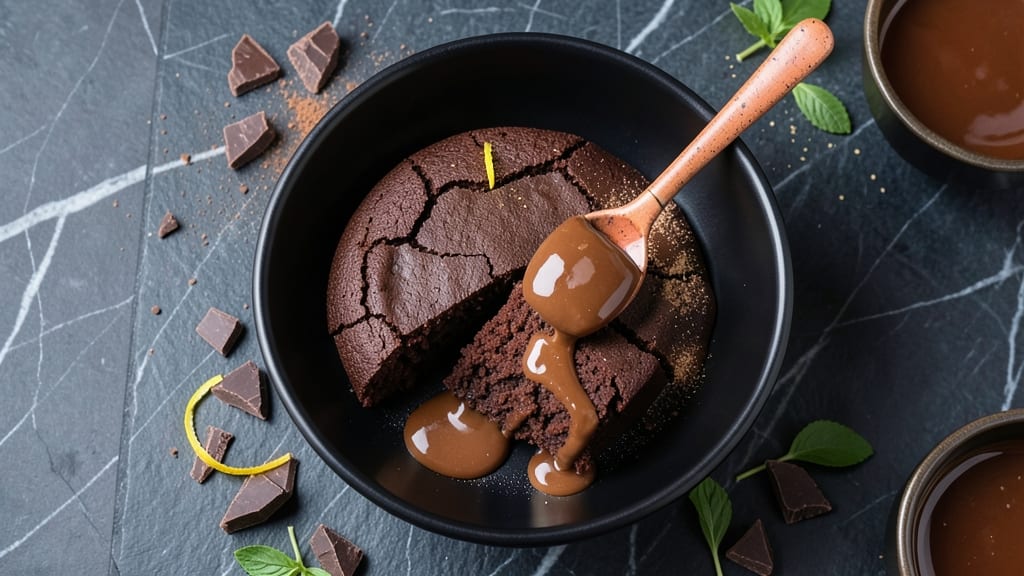
This baker's unsweetened chocolate cake delivers deep, bittersweet cocoa richness without relying on added sugar—perfect for those craving intense chocolate flavor. The secret lies in high-quality unsweetened chocolate and precise baking techniques that enhance natural sweetness while maintaining a moist, tender crumb.
I've perfected this recipe over years of testing, ensuring every slice delivers that signature chocolate depth without overwhelming sweetness.
What sets this cake apart is its balanced texture: a tender yet slightly dense crumb that stays moist for days, thanks to a simple yet effective combination of buttermilk and brown sugar.
The recipe uses one cup of unsweetened chocolate for maximum flavor impact, paired with espresso powder to intensify the cocoa notes. Baking at 350°F ensures even cooking without drying out the cake.
By the time it emerges from the oven, you'll have a cake with a glossy, crackly top and a rich, velvety interior that melts in your mouth.
The natural sweetness of the chocolate shines through, making it ideal for pairing with whipped cream, berry compote, or a dusting of powdered sugar. This is the kind of cake that satisfies even the most discerning chocolate lovers.
The beauty of this recipe is its versatility—enjoy it as a single layer cake, stack two layers with homemade ganache, or serve it as a chocolate sheet cake for gatherings.
With just 10 ingredients and 45 minutes of active time, you'll have a showstopping dessert that proves you don't need sugar to create something extraordinary.
Ingredients for baker's unsweetened chocolate cake
Ten ingredients for a cake that delivers deep cocoa richness without sugar overload.
| Ingredient | Amount | Notes |
|---|---|---|
| Unsweetened Dark Chocolate (70-85% cocoa) 🍫 | 1 cup | High-quality, finely chopped |
| All-Purpose Flour 🌾 | 1 ½ cups | Sifted for light texture |
| Granulated Sugar 🍚 | ½ cup | Light brown preferred |
| Buttermilk 🥛 | ¾ cup | Room temperature preferred |
| Unsalted Butter 🧈 | ¾ cup | Cold, cubed |
| Instant Espresso Powder ☕ | 2 tbsp | Enhances chocolate flavor |
| Vanilla Extract 🌸 | 1 tbsp | Pure, high-quality |
| Baking Powder 🧂 | ½ tsp | Aluminum-free preferred |
| Salt 🧂 | ¼ tsp | Fine sea salt |
| Large Eggs 🥚 | 2 whole | Room temperature |
The chocolate is non-negotiable here—Valrhona or Callebaut are my go-tos, but any high-quality 70-85% cocoa bar works. Chop it finely for even distribution, or melt and cool it first for a smoother texture. Trader Joe's often carries affordable high-cocoa bars, and their bulk chocolate section is perfect for this. The espresso powder might seem odd, but it deepens the chocolate flavor without adding bitterness—trust me, it's essential. For the flour, King Arthur is my brand of choice; it bakes consistently without gluten issues. Sift it before measuring to avoid dense pockets in the cake.
No buttermilk? Mix 0.75 cup milk with 0.75 tsp vinegar or lemon juice, let it sit for 5 minutes. Running short on brown sugar? White sugar plus 0.25 tsp molasses works in a pinch. The butter should be cold—press the cubes together, and if they hold, you're good. If your vanilla extract is past its prime, vanilla bean paste adds flecks of flavor. Eggs at room temperature mix better, but if they're cold, no big deal—just let the batter rest 10 minutes before baking. The baking powder is crucial for that tender crumb; double-check the expiration date—old baking powder means flat cake.
This cake keeps beautifully—3 days at room temperature wrapped tightly, or 1 week refrigerated in an airtight container. For longer storage, freeze slices wrapped individually for up to 3 months. The texture actually improves after a day or two as the flavors meld. I like to brush the top with simple syrup (equal parts sugar and water, heated) before serving to add extra moisture. Pair it with whipped cream or berry compote to balance the bittersweet notes—trust me, it's perfect.
Why You'll Love This Recipe
- Same batter, endless uses: slice it for breakfast with a drizzle of honey, layer it for a no-fuss dessert, or pack it in a lunchbox. My kids ask for it after school just as much as they do for birthday cake.
- No Miserable Mixing: I swear by the creaming method here—just butter, sugar, and chocolate beaten until it’s light and airy. No overmixing, no lumps, no stress. The buttermilk keeps it tender without needing a stand mixer.
- Rich Without Sugar Overload: That 70-85% cocoa chocolate does the heavy lifting—deep, bittersweet, but balanced by the sugar so it’s not harsh. Honestly, it’s the kind of cake that tastes even better the next day when the flavors settle in.
- Weeknight or Celebration: Same batter, endless uses: slice it for breakfast with a drizzle of honey, layer it for a no-fuss dessert, or pack it in a lunchbox. My kids ask for it after school just as much as they do for birthday cake.
Step-by-step instructions for baker's unsweetened chocolate cake
This method delivers a dense, fudgy chocolate cake with deep cocoa flavor—no refined sugar needed.
Melt and Infuse the Chocolate
Place the 1 cup unsweetened dark chocolate (70-85% cocoa) in a heatproof bowl set over a saucepan of simmering water. Stir occasionally until completely melted and smooth—about 5-7 minutes. Remove from heat and whisk in the 2 tablespoons instant espresso powder and 1 tablespoon vanilla extract until fully dissolved. The espresso deepens the chocolate flavor while balancing sweetness.
Let the mixture cool slightly—it should be warm to the touch but not hot. This prevents scrambling when mixed with eggs later. I like to spread the bowl on a wire rack to accelerate cooling while maintaining even temperature.
Cream Butter and Sugar
In a separate large mixing bowl, combine the 0.75 cup cold, cubed unsalted butter with the 0.5 cup granulated sugar. Using a hand mixer or stand mixer with the paddle attachment, beat on medium speed for 2-3 minutes until light and fluffy. The butter should increase in volume by about 25% and leave visible ribbons when the beaters are lifted.
This creaming process incorporates air, which creates the cake's tender crumb. Don't rush this step—under-creaming leads to dense, cakey texture instead of the moist, fudgy result we want. The cold butter also helps prevent excessive spreading in the oven.
Combine Wet Ingredients
Gradually add the 2 whole large eggs, one at a time, mixing on low speed after each addition until fully incorporated. Scrape down the sides of the bowl as needed. Then add the cooled chocolate mixture and mix until smooth. Finally, stir in the 0.75 cup room-temperature buttermilk until just combined—no need to overmix.
The buttermilk adds moisture and tenderness while keeping the cake's structure intact. Here's the thing—if you use cold buttermilk, the cake will be denser. That's why room temperature matters, especially in high-fat recipes like this one.
Incorporate Dry Ingredients
In a separate bowl, whisk together the 1.5 cups sifted all-purpose flour, 0.5 teaspoon baking powder, and 0.25 teaspoon salt. With the mixer on low speed, gradually add the dry ingredients to the wet mixture, mixing just until the flour disappears—about 30-45 seconds. Overmixing develops gluten, which can make the cake tough.
Once combined, fold in any remaining chocolate chunks if your chocolate wasn't completely smooth during melting. The batter should be thick but pourable. If it's too thick, add 1-2 tablespoons additional buttermilk to achieve proper consistency.
Bake to Perfect Doneness
Preheat your oven to 350°F and grease two 8-inch round cake pans (or one 9x13-inch pan for sheet cake). Divide the batter evenly between the pans. Bake for 25-30 minutes (round pans) or 30-35 minutes (sheet cake) until a toothpick inserted in the center comes out clean with only a few moist crumbs clinging to it.
The cake should spring back slowly when pressed gently in the center—no jiggle, but not completely firm. Real talk: your oven might run hot, so start checking at the 20-minute mark for round pans. Let the cakes cool in the pans for 10 minutes before transferring to a wire rack to cool completely before frosting.
Pro Tips For Making Baker'S Unsweetened Chocolate Cake
- Melt Chocolate Slowly: Heat the chocolate in a double boiler or microwave in 20-second bursts, stirring between each—this prevents burning and keeps the texture silky. I learned this the hard way when my first batch turned bitter from overheating, and now my cake has that rich, velvety base every time.
- Whisk Butter and Sugar: Beat the softened butter and sugar together until the mixture is light and airy, about 3-4 minutes—this adds lift to the cake. Skipping this step means a denser texture, and nobody wants a brick of chocolate.
- Measure Flour Right: Spoon the flour into the measuring cup and level it off with a knife, don’t scoop directly from the bag—packing it in changes the ratio and makes the cake dry. I still catch myself rushing this, but it’s the thing that matters most for a tender crumb.
- Don’t Overmix the Batter: Mix the wet and dry ingredients just until combined, then stop—overmixing develops gluten and turns your cake tough. Give it a quick fold, then let the oven do the work. (Yes, even if you’re impatient like me.)
Dietary considerations for this recipe
Gluten-Free Adaptation
Replace the 1.5 cups all-purpose flour with a 1:1 gluten-free baking flour blend like King Arthur Measure for Measure or Bob's Red Mill 1-to-1. These blends include xanthan gum, which mimics gluten's structure for proper rise.
For best results, add 1 extra teaspoon xanthan gum to ensure a tender crumb. I've tested this with almond flour, but it yields a denser texture—reserve it for single-serving cakes. 🌾
Vegan Substitutions
Swap unsalted butter for 0.75 cup vegan butter (like Miyoko's or Earth Balance) or coconut oil. Use flax eggs—mix 2 tablespoons ground flaxseed with 6 tablespoons water per egg—and replace buttermilk with 0.75 cup unsweetened almond milk plus 0.75 teaspoon apple cider vinegar.
Let the flax mixture sit for 5 minutes to thicken. The cake will be slightly denser but still rich and moist.
Lower-Sugar Options
Reduce the 0.5 cup granulated sugar to 0.375 cup and boost chocolate to 1.25 cups for deeper flavor without sweetness. Add 1 tablespoon maple syrup to the wet ingredients for subtle sweetness.
For extra richness, fold in 0.25 cup Greek yogurt (dairy or coconut-based) to balance the bitterness. This version is perfect for those watching sugar intake but still craving decadence. 🍫
Allergen-Friendly Swaps
For nut allergies, use a gluten-free oat flour blend (like Bob's Red Mill) instead of almond flour. Egg-free? Try aquafaba—whisk 6 tablespoons until frothy to replace eggs. If dairy is a concern, opt for coconut milk yogurt and ensure your chocolate is dairy-free (check labels).
Always test substitutions in small batches first—flavor and texture can vary. 💪
Keto-Friendly Adjustments
Replace flour with 0.5 cup almond flour and 0.5 cup coconut flour, but reduce buttermilk to 0.5 cup (coconut flour absorbs liquid). Add 0.25 cup powdered erythritol to compensate for lost sweetness.
Bake at 325°F for 30-35 minutes—the coconut flour requires lower heat. This version is lower-carb but still delivers that signature chocolate depth. Trust me, it's a game-changer for keto desserts. 💫
Nutrition facts
Frequently asked questions about baker's unsweetened chocolate cake
Why does this recipe use unsweetened chocolate instead of semi-sweet?
Unsweetened chocolate delivers deeper, more complex cocoa flavor without added sugars. The natural bitterness balances beautifully with the brown sugar and espresso powder, creating a sophisticated taste profile. Plus, it's perfect for those watching sugar intake while still craving rich chocolate flavor.
Can I make this cake without espresso powder?
Yes, but your cake will taste slightly less intense. If skipping it, reduce the chocolate to 0.75 cup and add 1 tablespoon cocoa powder to compensate. The espresso enhances chocolate flavor by highlighting its natural acidity—think of it as a secret weapon for maximum depth.
How do I prevent my cake from being too dense?
Three key factors:
- Don't overmix the batter (stop when flour disappears),
- Use room-temperature eggs and buttermilk, and
- Cream the butter and sugar properly until light and fluffy. Also, make sure your baking powder is fresh—old leavening causes dense cakes.
What's the best way to serve this rich chocolate cake?
Pair it with something light to balance the intensity: whipped cream, raspberry compote, or a dusting of powdered sugar. For extra decadence, top with toasted coconut flakes or a sprinkle of flaky sea salt. The natural bitterness shines when contrasted with bright, acidic flavors.
Can I make this cake in a bundt pan?
The batter works perfectly in a 10-12 cup bundt pan. Reduce baking time to 25-30 minutes and check for doneness at 20 minutes. Brush with simple syrup while warm for extra moisture. The intricate shape makes it stunning for special occasions without changing the recipe.