
Main Courses
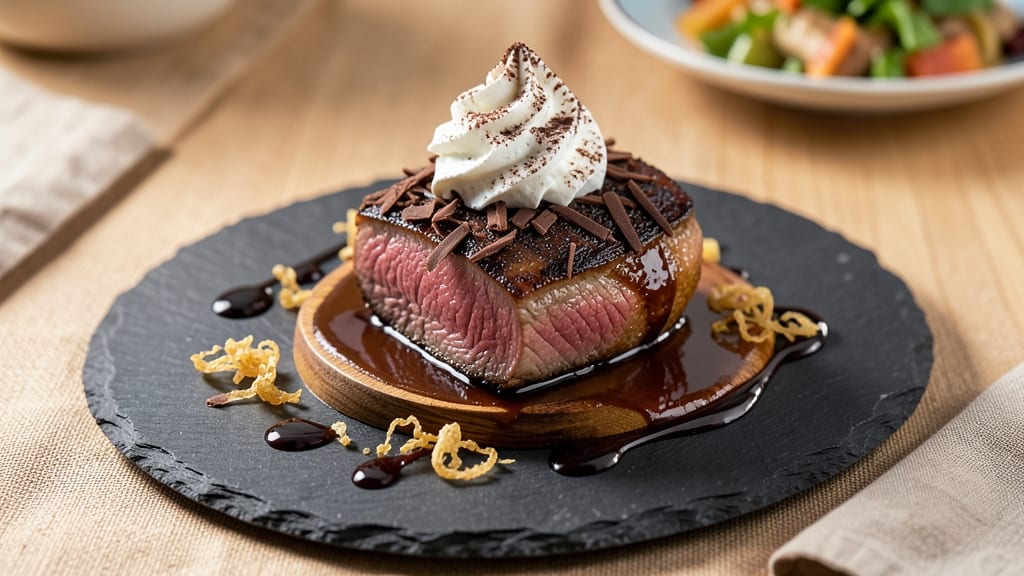
This beef and chocolate recipe delivers a sophisticated yet approachable dish that balances rich flavors with unexpected depth. The marriage of tender beef and velvety chocolate creates a luxurious experience that feels both indulgent and refined. Coffee-infused elements elevate the dish, adding complexity that transforms it from ordinary to extraordinary.
The foundation of this recipe lies in perfectly cooked beef—whether seared to medium-rare or braised until fork-tender—paired with a smooth chocolate sauce that's both decadent and balanced. The coffee infusion isn't overpowering; instead, it enhances the chocolate's natural richness while complementing the beef's savory notes.
This dish proves that unexpected combinations can yield remarkable results when executed with precision.
What makes this recipe particularly impressive is its versatility. You can serve it as an elegant main course for special occasions or as a comforting weeknight dinner with the right presentation.
The chocolate sauce can be adjusted for intensity, allowing you to tailor it to your preference—whether you prefer a subtle hint of bitterness or a deeper, more pronounced chocolate flavor.
The plating is where this dish truly shines. A perfectly sliced piece of beef alongside a glossy chocolate sauce, garnished with a dusting of cocoa powder or a sprinkle of toasted nuts, creates a visually stunning presentation.
The contrast between the deep brown of the chocolate and the rich red of the beef makes every bite feel like a celebration. Let's bring this unexpected pairing to life in your kitchen.
Ingredients for beef and chocolate
Rich beef and velvety chocolate blend with coffee's depth for a luxurious yet approachable dish.
| Ingredient | Amount | Notes |
|---|---|---|
| Beef Tenderloin 🥩 | 1 ½ lb | Center-cut, trimmed of fat |
| Dark Chocolate Chips 🍫 | 8 oz | 70% cocoa or higher |
| Instant Espresso Powder ☕ | 2 tbsp | High-quality, finely ground |
| Heavy Cream 🥛 | 1 cup | Full-fat for richness |
| Whole Milk 🥛 | ¼ cup | For sauce consistency |
| Shallots 🧅 | 2 whole | Finely minced for depth |
| Garlic Cloves 🧄 | 4 cloves | Peeled and smashed |
| Unsalted Butter 🧈 | 4 tbsp | Cold, for searing |
| Cocoa Powder 🍫 | ¼ cup | Natural or Dutch-processed |
| Red Wine 🍷 | ½ cup | Bold, dry variety |
| Beef Broth 💧 | 1 cup | Homemade or high-quality |
| Olive Oil 🫒 | 2 tbsp | Extra-virgin for finishing |
| Kosher Salt 🧂 | 1 ½ tsp | Diamond Crystal preferred |
| Freshly Ground Black Pepper 🌶️ | ½ tsp | Cracked peppercorns |
| Toasted Hazelnuts 🥜 | ¼ cup | Chopped, for garnish |
The beef tenderloin is the star—center-cut for tenderness, always. Look for a piece with good marbling but minimal fat cap. Whole Foods or high-end butchers carry the best cuts, but even your regular supermarket's pre-trimmed tenderloin works if you're in a pinch. For this recipe, the 70% cocoa dark chocolate is non-negotiable—lower percentages won't have enough depth to stand up to the beef's richness. Ghirardelli or Lindt are my go-tos, but any high-quality brand with no additives will do. The instant espresso powder should be finely ground—Starbucks or La Marzocco are reliable choices, and a quick test is to dissolve a pinch in water—it should disappear completely without grit.
No instant espresso? Brewed coffee reduced by half works in a bind, though the texture won't be as smooth. Swapping dark chocolate for bittersweet? Use 85% cocoa minimum—the extra bitterness balances the beef's richness. The shallots add subtle sweetness—substitute with 2 tbsp minced red onion if needed, but you'll lose some complexity. For the red wine, Cabernet Sauvignon or Malbec are ideal, but any bold, dry red will work. The beef broth? Homemade is best, but even the good store-bought stuff (like Pacific Foods) elevates the sauce. If you're feeling fancy, toast the cocoa powder in a dry pan for 2 minutes before adding to the sauce—trust me on this—it deepens the flavor exponentially.
This dish tastes even better the next day as the flavors meld. Store the beef and sauce separately—beef in the fridge for up to 2 days, sauce for 3 days—then reheat gently on the stove. The sauce thickens as it cools, so add a splash of milk when reheating. For make-ahead prep, the sauce can be frozen for up to 3 months—just thaw it in the fridge overnight. The toasted hazelnuts? Toast them fresh when you're ready to serve—5 minutes in a dry pan over medium heat until fragrant. They add a delightful crunch that contrasts perfectly with the silky sauce and tender beef.
Why You'll Love This Recipe
- One-Pan Magic: I swear by this—just sear the tenderloin, toss in the chocolate and espresso, then let the cream do the work. No chopping, no fuss, and the pan basically cleans itself.
- Rich, Unexpected Twist: That first bite of tender beef with melted dark chocolate and a hint of espresso? It’s like someone took a steakhouse classic and gave it a decadent dessert vibe. Honestly, my kids ask for it more than my usual pasta.
- Date Night or Lazy Sunday: Dress it up with roasted potatoes and a crisp salad for a restaurant-worthy meal, or serve it over mashed potatoes with a drizzle of cream for a cozy weekend brunch. It’s that kind of recipe.
- Leftovers That Don’t Suck: The sauce thickens beautifully when reheated—better than takeout, and way cheaper. I’ve packed it for work lunches (yes, even on a Tuesday) and never gotten a complaint.
Step-by-step instructions for coffee-infused beef with chocolate sauce
Here's how to balance rich beef with decadent chocolate in perfect harmony.
Sear the Beef Tenderloin to Perfection
Pat the 1.5 lb beef tenderloin completely dry with paper towels—this is non-negotiable for a good sear. Season generously with 1.5 tsp kosher salt and 0.5 tsp freshly ground black pepper, pressing the spices into the meat so they adhere. Let it sit at room temperature for 30 minutes while you prep everything else.
Heat 2 tbsp olive oil in a heavy skillet over medium-high heat until shimmering. Add the beef and sear for 4-5 minutes per side until it develops a deep mahogany crust. The internal temperature should reach 125°F—this is crucial for medium-rare doneness. Transfer to a cutting board and let rest for 10 minutes before slicing against the grain into ½-inch thick medallions.
Build the Coffee-Chocolate Sauce Foundation
In the same skillet (no need to clean it—those browned bits are flavor gold), melt 4 tbsp cold unsalted butter over medium heat. Add the 2 whole shallots and 4 cloves garlic cloves, cooking for 3-4 minutes until softened but not browned. Pour in the 0.5 cup red wine and scrape up all those delicious fond bits from the bottom of the pan.
Let the wine reduce by half (2-3 minutes), then stir in 2 tbsp instant espresso powder and 0.25 cup cocoa powder, whisking until smooth. Add 1 cup heavy cream and 0.25 cup whole milk, bringing everything to a gentle simmer. The sauce should thicken slightly—if it gets too stiff, whisk in 1-2 tablespoons of beef broth to loosen it.
Incorporate Chocolate and Finish the Sauce
Reduce heat to low and gradually add 8 oz dark chocolate chips, stirring constantly until fully melted and incorporated. The sauce should now be velvety with a deep, complex flavor—almost like a cross between a wine reduction and fudge. If it's too thick, add more beef broth 1 tablespoon at a time until it reaches a coating consistency.
Return the sliced beef to the skillet with the sauce, spooning it generously over the medallions. Let everything heat through together for 2-3 minutes, just until the beef reaches 130°F internally. The sauce should cling beautifully to the meat, creating a luxurious coating with every bite.
Plate with Elegance and Garnish
Transfer the beef and sauce to warm plates, arranging the medallions artfully. Drizzle any remaining sauce from the skillet over the top for maximum presentation. Sprinkle with 0.25 cup chopped toasted hazelnuts just before serving—their nutty crunch contrasts perfectly with the rich sauce and tender beef.
Serve immediately with your choice of sides—roasted vegetables or creamy mashed potatoes would complement this dish beautifully. The combination of coffee, chocolate, and beef creates a sophisticated flavor profile that's surprisingly balanced, with the espresso cutting through the richness while the cocoa adds depth. Each bite delivers that unexpected but perfect marriage of savory and sweet.
Pro Tips For Making Beef And Chocolate
- Sear the Beef First: Hit that tenderloin with a screaming-hot pan—no rushing—until it’s deep brown all over. I learned this the hard way: skipping the sear means flavorless beef, even with chocolate and espresso in the mix.
- Temper the Chocolate: Warm the heavy cream and milk together until steaming, then whisk in the dark chocolate gradually—or you’ll end up with grainy sauce. Sounds weird, but it works: slow wins here.
- Don’t Overcook the Beef: Pull the tenderloin at 125°F (52°C) for medium-rare—it’ll rest up to 130°F (54°C). Trust the thermometer, not the guesswork, or you’ll turn it into shoe leather.
- Bloom the Espresso: Mix the instant espresso powder with a splash of warm milk before adding it to the sauce—this dissolves it completely and cuts the bitter edge. Skimp here, and the dish tastes like burnt coffee grounds.
Serving suggestions for leftovers
Elegant Plating Ideas
For a restaurant-worthy presentation, arrange the beef medallions in a fan shape on each plate, letting the chocolate sauce pool naturally around them. Use a small spoon to create swirls in the sauce for visual interest. A dusting of cocoa powder along the plate's edge adds a professional touch. 💫
To elevate the look further, place edible flowers (like violets or nasturtiums) near the beef or use gold leaf flakes for a luxurious finish. Even a simple black plate makes the rich colors pop against the dark background. I love using white plates for contrast when serving this dish.
Side Dish Pairings
Creamy mashed potatoes with a touch of truffle oil balance the richness beautifully. The earthy notes complement the beef while the smooth texture contrasts with the sauce's silkiness. For something lighter, try roasted Brussels sprouts with balsamic glaze—their slight bitterness cuts through the sweetness.
Another fantastic option is wild rice pilaf with toasted almonds and dried cranberries. The nutty, chewy elements add texture while the berries introduce a subtle tartness. If you prefer vegetables, sautéed green beans with garlic and lemon zest keep the dish fresh and vibrant.
Beverage Matchings
A bold red wine like Cabernet Sauvignon or Malbec enhances the dish's richness without overpowering it. The tannins in these wines complement the beef while the chocolate adds a sweet contrast. For a non-alcoholic option, chilled hibiscus tea with a splash of orange juice provides a refreshing yet sophisticated pairing.
If you prefer beer, a dark ale or stout works beautifully—the malty notes mirror the coffee and chocolate flavors. I also love pairing this dish with a small espresso martini (without the coffee flavor, just the creamy texture) to echo the coffee infusion in the sauce.
Garnish Variations
Swap the hazelnuts for toasted pecans or walnuts if you prefer a different crunch. For a sweeter touch, add chopped dried apricots or candied ginger to contrast the richness. A few fresh raspberries on the side add a bright, tangy element that cleanses the palate between bites.
For a herbaceous finish, sprinkle micro cilantro or thinly sliced chives over the sauce. The freshness balances the richness, and the bright green color makes the dish visually appealing. A pinch of sea salt on top enhances all the flavors without being overpowering.
Nutrition facts
Frequently asked questions
Why does coffee work so well with beef and chocolate?
The coffee infusion acts as a flavor bridge between the savory beef and sweet chocolate. The natural acidity and bitterness in coffee cuts through the richness of both ingredients, creating balance. Think of it like espresso in a dessert—it enhances the chocolate's depth while complementing the beef's umami notes. This technique is inspired by traditional Mexican mole recipes, where chocolate and spices create complex layers of flavor.
Can I substitute the beef tenderloin with another cut?
Yes, but choose cuts with good marbling and tenderness. Ribeye or strip steak work well—just sear them longer to develop flavor. For budget options, try chuck roast (braised instead of seared) or sirloin, but these may need longer cooking times. Avoid lean cuts like flank steak—they won't hold up as well to the rich sauce. The key is medium-rare doneness to maintain tenderness.
What if my sauce gets too thick or too thin?
For a thicker sauce, simmer uncovered for 3-5 minutes to reduce. If it's still too thin, mix 1 tsp cornstarch with 1 tbsp cold water and whisk it in. For a thinner sauce, add beef broth or milk 1 tablespoon at a time while stirring constantly. The ideal consistency should coat the back of a spoon but still drizzle lightly.
How do I adjust the sweetness level in the sauce?
The sauce's sweetness comes from the chocolate and coffee—not added sugar. For a less sweet version, use 85% cocoa chocolate instead of 70%. For more sweetness, add 1-2 tsp honey or maple syrup at the end. Taste as you go—the coffee's bitterness should always be the dominant note, with chocolate providing depth. Balance is key!
Can I make this ahead of time?
Cook the beef and sauce separately, then refrigerate for up to 2 days. Reheat gently in a skillet with a splash of broth or milk to restore moisture. The sauce may thicken as it cools—thin it with extra milk when reheating. For longer storage, freeze the sauce for 3 months (thaw overnight in the fridge). The beef freezes well too, but it's best enjoyed fresh for peak tenderness.