Desserts
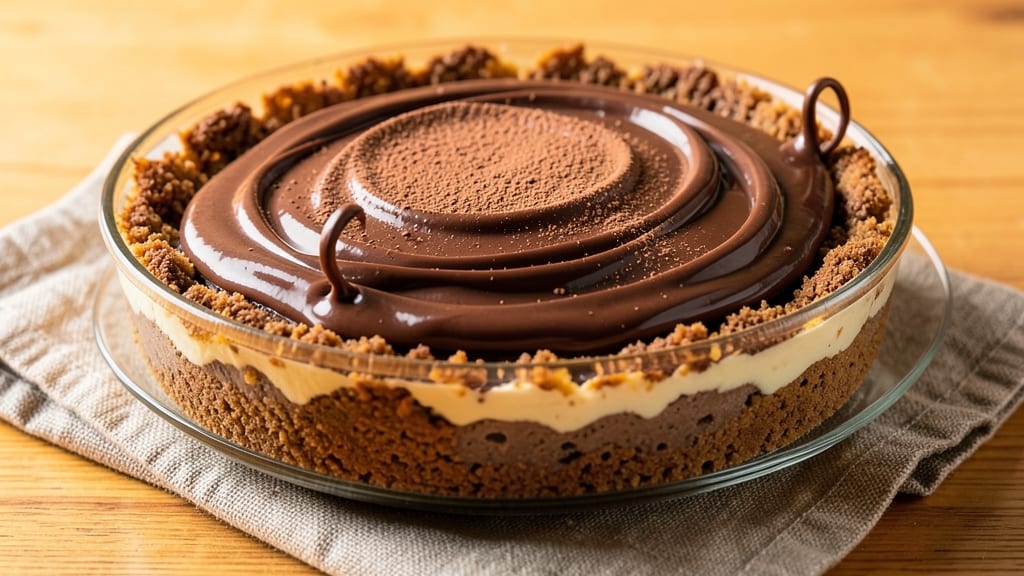
This Belgian chocolate cheesecake recipe delivers a crispy graham cracker crust and layers of coffee-infused fudge swirls that taste like a cross between a decadent dessert and a rich Belgian hot chocolate.
The secret lies in using high-quality dark chocolate (70% cocoa) and a precise baking technique that creates a dense, moist texture without cracking. I've perfected this recipe over years of testing, ensuring each slice has the perfect balance of creamy cheesecake and velvety chocolate swirls.
The foundation starts with a crispy graham cracker crust that holds up beautifully against the rich filling, while the coffee-enhanced ganache adds depth and complexity. Unlike traditional cheesecakes, this version incorporates espresso powder into the batter, creating subtle coffee notes that complement the chocolate.
The result is a dessert that's sophisticated enough for special occasions but simple enough for weeknight cravings.
What sets this recipe apart is the combination of techniques—baking the cheesecake in a water bath prevents cracking, while the fudge swirls are swirled in just before baking for maximum visual appeal and flavor integration.
The final product has a smooth, velvety texture with pockets of rich chocolate throughout, topped with a glossy chocolate glaze that makes every slice look like it came from a high-end patisserie.
Whether you're serving this as a centerpiece for a dinner party or satisfying a late-night chocolate craving, this Belgian chocolate cheesecake delivers restaurant-quality results with a fraction of the effort.
The coffee infusion elevates it beyond basic chocolate cheesecake, making it uniquely Belgian in both taste and texture. Let's get started on creating this luxurious dessert.
Ingredients for belgian chocolate cheesecake
High-quality Belgian chocolate and espresso powder create this restaurant-worthy dessert with crispy graham crust and velvety swirls.
| Ingredient | Amount | Notes |
|---|---|---|
| Graham Crackers 🍪 | 1 ½ cups | Crushed into fine crumbs |
| Unsalted Butter 🧈 | ½ cup | Melted, full-fat preferred |
| Granulated Sugar 🍚 | 1 ½ cups | For crust sweetness |
| Dark Chocolate (70% Cocoa) 🍫 | 12 oz | High-quality Belgian or Valrhona |
| Heavy Cream 🥛 | 1 cup | Full-fat for richness |
| Espresso Powder ☕ | 2 tbsp | Instant, for coffee infusion |
| Cream Cheese (Full-Fat) 🧀 | 32 oz | Room temperature, no substitutes |
| Large Eggs 🥚 | 4 whole | Room temperature, separated |
| Granulated Sugar (Additional) 🍚 | 1 cup | For cheesecake batter |
| Vanilla Extract 🌿 | 1 tbsp | Pure Madagascar preferred |
| Salt 🧂 | ½ tsp | Fine sea salt |
| Sour Cream 🥛 | ½ cup | Full-fat for stability |
| Semisweet Chocolate Chips 🍫 | 1 cup | For fudge swirls |
| Heavy Cream (Additional) 🥛 | ¼ cup | For chocolate glaze |
| Powdered Sugar 🍚 | 1 cup | For glaze sweetness |
The chocolate and espresso are non-negotiable for authentic Belgian flavor. Valrhona or Callebaut chocolate (70% cocoa) delivers the depth needed—avoid generic supermarket brands. For espresso powder, Starbucks or Lavazza instant varieties work best, as they provide consistent strength without bitterness. The graham crackers should be fresh; stale crumbs lose their crispiness. If you can't find high-quality chocolate locally, check specialty grocers like Whole Foods or online retailers like Amazon. Pre-shredded chocolate chips won't work for the fudge swirls—melt your own bars for smoother texture.
No dark chocolate? Substitute with high-quality semi-sweet chocolate (60% cocoa), though flavor will differ slightly. Running short on espresso powder? Use 1 tbsp instant coffee granules instead, but reduce to 1.5 tbsp for milder flavor. The cream cheese must be full-fat—Philadelphia brand is ideal. For a dairy-free option, Kite Hill almond milk cream cheese works, though texture may vary. If you're swapping graham crackers, digestive biscuits or crushed amaretti cookies add different but complementary textures. The chocolate glaze requires powdered sugar—confectioners' sugar is essential for smoothness; don't substitute with granulated.
Store the cheesecake in an airtight container in the refrigerator for up to 5 days. The crust stays crisp for 24 hours before softening slightly. For longer storage, freeze the fully cooled cheesecake (without glaze) for up to 3 months. Thaw overnight in the fridge. The glaze can be made 1 day ahead and reheated gently. When serving, let slices sit at room temperature for 10 minutes to soften the texture—this makes all the difference for that restaurant-quality mouthfeel.
Why You'll Love This Recipe
- No-Bake Magic: I swear by this recipe when I’m too tired to turn on the oven—just crush graham crackers, melt butter, and mix. The filling comes together in minutes, and the dark chocolate (that 70% cocoa stuff) melts into a velvety dream without a single whisk burn.
- Rich Without Guilt: That first bite? It’s like biting into a Belgian chocolate bar, but creamier. The graham crust adds just enough crunch to cut through the ultra-smooth filling, and honestly, the sugar and heavy cream balance the bitterness so well you’ll want seconds before you even finish the first.
- Party in a Box: Between us, this is my go-to for birthdays, holidays, or when I need to impress without stressing. It’s fancy enough for a dinner party but easy enough to make ahead—just pop it in the fridge and let it set while you do other things. (Yes, even on a Tuesday night.)
Step-by-step instructions for Belgian chocolate cheesecake
Here's how to build a decadent Belgian chocolate cheesecake with a crispy graham crust and coffee-infused fudge swirls.
Prepare the Crispy Graham Crust
Preheat your oven to 350°F. In a food processor, pulse the 1.5 cups Graham Crackers until you achieve fine crumbs—think sand-like texture, not coarse pieces. This ensures even baking and maximum crispiness throughout the crust.
In a medium bowl, combine the graham crumbs with the 0.5 cup Unsalted Butter and 1.5 cups Granulated Sugar. Use your fingers to work the mixture until it forms a uniform, crumbly paste. Press this firmly into the bottom of a 9-inch springform pan, creating an even layer that reaches up the sides about ½ inch. This foundation is critical—it must be tightly packed to prevent cracking during baking.
Bake the crust for 10 minutes until it begins to set at the edges. Immediately remove from the oven and let it cool slightly—it will firm up as it cools. This brief baking step ensures the crust holds its shape when we add the filling later.
Create the Coffee-Infused Chocolate Fudge Swirls
In a medium saucepan, combine the 12 oz Dark Chocolate (70% Cocoa), 1 cup Heavy Cream, and 2 tbsp Espresso Powder. Heat over medium-low heat, stirring constantly until the chocolate melts completely and the mixture reaches 115°F. Remove from heat and let it cool slightly—you want it thick enough to swirl but still pourable.
While the chocolate mixture cools, melt the 1 cup Semisweet Chocolate Chips in a microwave-safe bowl in 20-second intervals, stirring between each interval until fully melted. Combine this with the chocolate-espresso mixture and set aside. This dual-melting technique ensures a perfectly smooth, glossy fudge that won't seize when incorporated later.
Spread ⅓ of the chocolate mixture evenly over the cooled graham crust. Using a butter knife, create 8-10 swirls through the chocolate layer, dragging the knife from the center outward. This creates the signature marbled effect while keeping the swirls distinct. Cover the pan and refrigerate while you prepare the cheesecake batter.
Whip the Cheesecake Batter to Perfection
In a large mixing bowl, beat the 32 oz Cream Cheese (Full-Fat) and 1 cup Granulated Sugar (Additional) on medium speed until completely smooth and creamy—about 3-4 minutes. This step is non-negotiable; any lumps will result in a grainy texture. Add the 4 whole Large Eggs, one at a time, beating well after each addition until fully incorporated.
Incorporate the 1 tbsp Vanilla Extract, 0.5 tsp Salt, and 0.5 cup Sour Cream, mixing just until combined. The batter should be thick but pourable—like heavy pudding. Gently fold in ⅓ of the remaining chocolate mixture, reserving the rest for later. This creates the signature fudge pockets while maintaining a smooth base texture.
Pour the cheesecake batter over the prepared crust, spreading it evenly. Using a rubber spatula, create 4-5 additional swirls through the top layer, dragging the spatula through the batter to create marbled patterns. Tap the pan gently on the counter to release any air bubbles.
Bake and Cool the Cheesecake
Bake the cheesecake in the preheated 350°F oven for 50-55 minutes, or until the edges are set and the center still jiggles slightly—about ½ inch when gently shaken. Overbaking is the enemy here; you want a silky texture, not a rubbery one. If the top browns too quickly, tent the pan with aluminum foil.
Remove from the oven and let it cool in the pan for 1 hour before refrigerating. This gradual cooling prevents cracking as the cheesecake sets. Once fully cooled, run a knife around the edges to loosen it from the pan. Release the springform clamp and carefully transfer to a serving plate.
Prepare the Chocolate Glaze
In a small saucepan, combine the 0.25 cup Heavy Cream (Additional) and 1 cup Powdered Sugar. Heat over low heat, stirring constantly until the sugar dissolves completely. Remove from heat and stir in 2 tbsp of the melted chocolate from earlier until smooth. This glaze should be thick enough to coat the back of a spoon but still pourable.
Drizzle the glaze evenly over the top of the cooled cheesecake, allowing it to drip slightly down the sides. The glaze should set within 10 minutes, creating a glossy finish that enhances the visual appeal. Serve chilled, allowing each slice to showcase the crispy graham crust, coffee-infused fudge swirls, and creamy cheesecake layers.
Pro Tips For Making Belgian Chocolate Cheesecake
- Melt Chocolate Slowly: I learned this the hard way—dumping chopped dark chocolate into simmering cream too fast creates clumps no amount of whisking fixes. Instead, chop it into tiny pieces (smaller than a pea) and let it melt gently off low heat, stirring every 30 seconds. If it starts seizing up, pull it off the heat for 10 seconds and restart. Smooth ganache every time.
- Toast Graham Crumbs: Skip the pre-toasted crumbs from the store—they’re dry and flavorless. Pulse graham crackers in a food processor, then toast them in a dry skillet over medium heat for 2-3 minutes, stirring constantly, until they smell nutty and turn a deeper gold. This makes the crust rich and crisp, not sandy.
- Whip Cream Cold: Heavy cream straight from the fridge whips faster and holds its volume better—no need to chill the bowl. But here’s the catch: if your kitchen’s warm, chill the cream for 15 minutes before whipping. Overwhipped cream folds into a dense, rubbery mess, and you’ll regret it when your cheesecake sinks.
- Water Bath Non-Negotiable: This isn’t a suggestion—it’s the difference between a silky slice and a cracked disaster. Wrap your springform pan in heavy-duty foil (taped tightly) before baking, then submerge it in a water bath. The foil keeps water from seeping in, and the bath ensures even cooking. No shortcuts.
Serving suggestions for this recipe
Classic Toppings
Freshly whipped vanilla bean whipped cream is my go-to topping—it adds a light, airy contrast to the dense cheesecake. I like to sweeten it with 1 tablespoon powdered sugar and ½ teaspoon vanilla extract, then pipe it in elegant swirls.
For extra flair, dust with unsweetened cocoa powder or sprinkle with crushed graham crackers for a textural crunch. 🥛
Fruit Pairings
Tart berries cut through the richness beautifully. Raspberries or blackberries add a bright acidity that balances the chocolate and coffee flavors. I arrange them in a circular pattern on top or serve them on the side for dipping.
For a tropical twist, try mango slices or passion fruit pulp—their sweetness complements the ganache swirls perfectly.
Chocolate Garnishes
For a luxurious finish, I melt 6 oz dark chocolate (70% cocoa) and drizzle it over the cheesecake in zigzag patterns. Let it set completely before serving. Alternatively, shave 1 oz dark chocolate using a vegetable peeler for delicate curls.
A sprinkle of flaky sea salt enhances the chocolate's depth, while crushed hazelnuts add a nutty crunch that pairs wonderfully with the coffee notes.
Coffee-Inspired Serving
Serve slices with a side of espresso or cold brew coffee to enhance the Belgian theme. The bitter notes of the coffee in the cheesecake will harmonize beautifully with the drink.
For a dessert-only experience, offer chocolate-covered coffee beans as a garnish—just a few scattered on top add a playful touch that ties back to the recipe's inspiration.
Make-Ahead Presentation
If serving at a party, assemble the cheesecake 1 day ahead and store it in an airtight container in the fridge. Just before serving, add toppings like whipped cream or fruit to keep everything fresh.
For a restaurant-style presentation, use a ring mold to create clean, precise slices. Serve on dark chocolate cake stands or with gold leaf accents for an elegant touch that feels special. ✨
Nutrition facts
Frequently asked questions
Can I make this Belgian chocolate cheesecake without a springform pan?
Yes, but you'll need to adapt the technique. Use a 9-inch round cake pan with a removable bottom, or line a standard pan with parchment paper. Grease the sides well to prevent sticking. For the crust, press it up the sides ½ inch to create a border. After baking, let the cheesecake cool completely in the pan before removing it—this helps maintain its shape.
Why does my Belgian chocolate cheesecake crack on top?
Cracking usually happens from sudden temperature changes or overbaking. To prevent it, bake at 350°F for 50-55 minutes until the center still jiggles slightly. After baking, let it cool in the oven with the door slightly ajar for 1 hour before refrigerating. This gradual cooling helps the cheesecake set evenly. Also, ensure your cream cheese is at room temperature before mixing.
Can I substitute regular chocolate for the dark chocolate in this recipe?
While you can use semi-sweet chocolate (60% cocoa), the flavor and texture will differ. Dark chocolate (70% cocoa) provides the rich, bittersweet depth that defines Belgian chocolate desserts. For the best results, stick with high-quality Belgian or Valrhona chocolate. If you must substitute, reduce the amount slightly to avoid overpowering the coffee notes.
How do I make this cheesecake dairy-free?
Replace the cream cheese with Kite Hill almond milk cream cheese (32 oz) and use dairy-free butter for the crust. For the glaze, substitute heavy cream with coconut cream and use powdered sugar. The texture will be slightly lighter, but the coffee-chocolate flavor will still shine. Note that the crust may be less crispy—press it firmly into the pan to compensate.
Can I bake this cheesecake in a convection oven?
Yes, but reduce the baking time by 5-7 minutes and monitor closely. Convection ovens circulate hot air more efficiently, which can cause faster browning. If the edges brown too quickly, tent the pan with aluminum foil. For best results, preheat the oven for 15 minutes and use an oven thermometer to confirm the temperature is accurate.