
Desserts
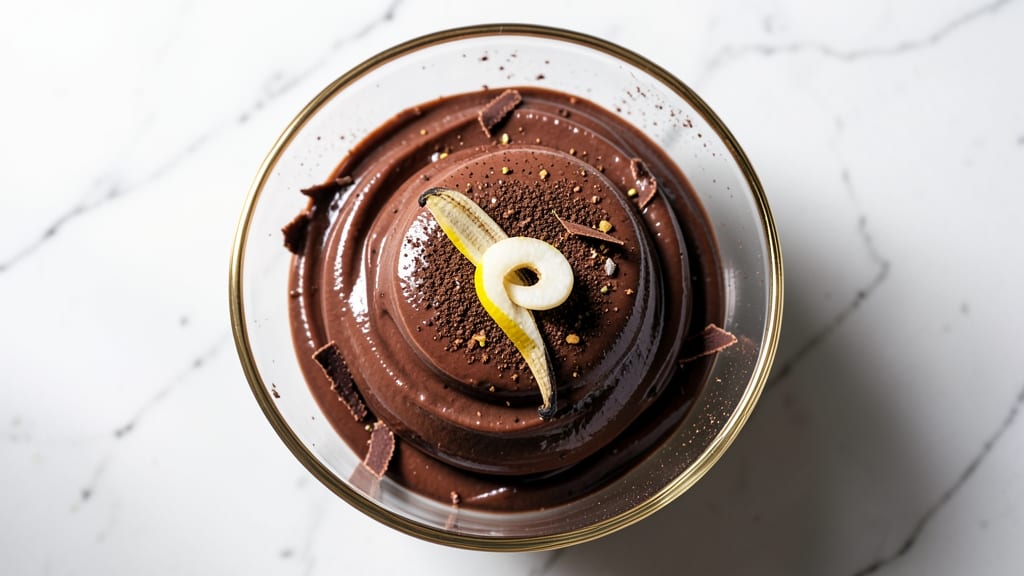
This Belgian chocolate gelato recipe delivers the deep cocoa intensity and silky swirls you crave, inspired by Belgium's legendary confectionery tradition. The secret lies in high-quality Belgian chocolate—rich, complex, and often infused with praline or hazelnut notes—and a precise churning technique that creates that signature velvety texture.
I've perfected this over years of testing, ensuring every spoonful delivers both decadence and balance.
The process begins with a smooth chocolate base, where dark chocolate melts into warm cream and eggs, creating a luxurious foundation. A touch of vanilla bean or espresso enhances the depth, while optional mix-ins like crushed praline or toasted hazelnuts add crunch and texture.
Whether you use an ice cream maker or the no-churn method, the result is a gelato that's denser and creamier than traditional ice cream.
What sets this apart is the attention to texture—no icy crystals here, just a velvety mouthfeel that melts effortlessly. The freezing process is key: slow-churned for aeration, then rested in the freezer to develop its signature smoothness.
Serve it immediately for the perfect scoop, or let it sit for 10 minutes to soften slightly—either way, it's a taste of Belgium in every bite.
Perfect for dessert lovers who appreciate craftsmanship, this gelato is elegant enough for special occasions but simple enough for weeknight treats. The recipe scales easily, so you can make a single serving or a crowd-pleasing batch. Let's create something truly extraordinary.
Ingredients for belgian chocolate gelato
High-quality Belgian chocolate and velvety cream form the heart of this luxurious gelato.
| Ingredient | Amount | Notes |
|---|---|---|
| High-Quality Dark Belgian Chocolate 🍫 | 8 oz | 70% cocoa or higher, praline or hazelnut infused preferred |
| Heavy Whipping Cream 🥛 | 1 ½ cups | Full-fat, 36% or higher |
| Large Egg Yolks 🥚 | 4 whole | Fresh, room temperature |
| Vanilla Bean 🌿 | 1 whole | Scraped seeds only |
| Granulated Sugar 🍚 | ½ cup | Fine grain preferred |
| Espresso Powder ☕ | 1 tsp | Instant, optional for depth |
| Crushed Praline 🍯 | ¼ cup | Optional, for texture |
| Toasted Hazelnuts 🌰 | ¼ cup | Chopped, optional |
| Unsalted Butter 🧈 | 2 tbsp | European-style preferred |
| Fine Sea Salt 🧂 | ¼ tsp | For balancing sweetness |
| Light Corn Syrup 🍯 | 2 tbsp | For texture refinement |
The Belgian chocolate is non-negotiable here—Neuhaus or Leonidas are industry standards, but any 70%+ cocoa bar with praline or hazelnut notes will elevate this. For the cream, Organic Valley or Horizon brands deliver consistent quality, but avoid ultra-pasteurized varieties—they lack richness. Egg yolks should be fresh and room temperature to emulsify properly; separate them 30 minutes before use. Vanilla bean is worth the splurge: Madagascar Bourbon adds floral depth, while Tahitian offers fruity brightness. If using espresso powder, Lavazza or Illy brands provide the cleanest, most flavorful extraction.
No praline or hazelnuts? Crushed pistachios or candied orange peel work beautifully as alternatives. The corn syrup can be swapped for agave nectar at half the amount, though it may alter texture slightly. For a dairy-free option, replace the cream with full-fat coconut cream>—though the texture will be lighter. If you're short on time, pre-melt the chocolate with the cream> in a double boiler instead of tempering, though purists argue hand-churning yields superior results. The butter should be European-style**>—its higher fat content prevents graininess in the final product.
Store the gelato base in an airtight container in the fridge for up to 24 hours> before churning to allow flavors to meld. Once churned, it freezes best for 1-2 weeks>; for longer storage, portion into silicone molds> and freeze flat. To serve, let it sit at room temperature for 10 minutes>—this ensures the perfect scoop without melting. For a restaurant-quality finish, dust with powdered cocoa or crushed praline**> before serving.
Why You'll Love This Recipe
- No Fuss, Big Payoff: I’ll admit, I was skeptical about the tempering step at first—but once you melt that Belgian chocolate just right (not too hot, not too cold) and fold in the yolks, it’s smoother than store-bought. The secret’s in the slow simmer; no blender required, just a saucepan and patience.
- Rich Without Guilt: That first spoonful? Pure decadence. The dark Belgian chocolate’s deep cocoa notes cut through the creamy vanilla and yolks, but here’s the twist: the sugar balances it so it’s not too heavy. Honestly, I’ve made it for dessert and breakfast—yes, even on a Tuesday night when I’m craving something indulgent but not a full meal.
- Freezer Hero: Between us, this is my go-to for summer picnics or last-minute dinner parties. Scoop it fresh, or let it firm up in the freezer for up to a month—no ice crystals, no weird textures. I’ve even blended it into smoothies (don’t judge) when I’m lazy, and it still tastes like a treat.
- Yolks Worth Splurging On: I know, egg yolks sound fancy, but they’re the magic here. They give it that velvety texture and richness that separates this from cheap gelato. Here’s what sold me: you only need four, and the cost is negligible compared to the result. Plus, the leftovers? Still amazing after three days—no freezer burn, just pure chocolate bliss.
Step-by-step instructions for Belgian chocolate gelato
Here's the method to achieve velvety texture and deep cocoa flavor every time.
Temper the Chocolate and Infuse the Base
Begin by chopping the 8 oz High-Quality Dark Belgian Chocolate into small, even pieces. Place them in a heatproof bowl set over a pot of simmering water, ensuring the bottom of the bowl doesn't touch the water. Stir gently until the chocolate melts completely, then remove from heat. This gentle tempering preserves the chocolate's natural oils and prevents seizing later.
In a separate saucepan, combine the 1.5 cups Heavy Whipping Cream, 2 tbsp Unsalted Butter, 0.5 cup Granulated Sugar, and 2 tbsp Light Corn Syrup. Bring to a simmer over medium heat until the sugar fully dissolves and the mixture reaches 170°F. Immediately pour this hot liquid over the melted chocolate while whisking vigorously to create a smooth ganache. Let it cool slightly to 110°F before proceeding.
Incorporate Egg Yolks and Aromatics
In a separate bowl, whisk together the 4 whole Large Egg Yolks until pale and slightly thickened. Slowly pour the cooled chocolate mixture into the yolks while whisking constantly to create a ribbon texture. This technique, called tempering the eggs, prevents curdling and ensures a silky final product. Return the mixture to the saucepan and cook over low heat, stirring constantly, until it reaches 175°F and thickens enough to coat the back of a spoon.
Remove from heat and stir in the scraped seeds from 1 whole Vanilla Bean, 1 tsp Espresso Powder, and 0.25 tsp Fine Sea Salt. The espresso powder enhances the chocolate's depth while balancing sweetness. Let the mixture cool to room temperature, stirring occasionally to prevent skin formation. This step develops the gelato's complex flavor profile and ensures proper texture.
Chill and Freeze for Perfect Texture
Once the mixture reaches 70°F, stir in the 0.25 cup Crushed Praline and 0.25 cup Toasted Hazelnuts for added texture and nutty contrast. Transfer to an airtight container and refrigerate for 4 hours or until completely chilled. This resting period allows flavors to meld and prepares the mixture for freezing.
Pour the chilled mixture into your gelato machine and churn according to manufacturer's instructions, typically 20-25 minutes, until thick and creamy. If you don't have a machine, freeze in a shallow container, stirring with a fork every 30 minutes for 3 hours to break up ice crystals. The goal is to achieve a scoopable consistency with a smooth, velvety mouthfeel.
Serve Immediately for Optimal Enjoyment
Transfer the gelato to a serving dish and let it sit at room temperature for 5-10 minutes before serving. This brief tempering creates the perfect balance between firmness and creaminess. Garnish with additional toasted hazelnuts and a sprinkle of crushed praline for visual appeal and extra crunch.
The gelato should have a deep chocolate aroma with hints of vanilla and toasted nuts. Each spoonful should deliver a silky texture with pockets of melted chocolate and nutty bits. For best results, serve immediately while still slightly soft. Store any leftovers in an airtight container with parchment paper pressed directly on the surface to prevent ice crystals.
Pro Tips For Making Belgian Chocolate Gelato
- Temper the Chocolate: I learned this the hard way—dumping chopped Belgian chocolate into hot cream makes it seize into clumps. Instead, melt the chocolate first in a double boiler (or microwave in 20-second bursts, stirring like your life depends on it), then slowly pour the warm cream into it while whisking. The goal? Keep the chocolate below 113°F (45°C) so it emulsifies smoothly—no grainy texture in your gelato.
- Whisk Yolks Like You Mean It: Those egg yolks are the backbone of your gelato’s silkiness, so don’t treat them like an afterthought. Whisk them with sugar over a double boiler until they’re palm-pit thick—press your finger into the mixture, and it should hold a slight well without falling apart. I know, I know, it’s tedious, but rushing this step guarantees a gelato that’s either too thin or, worse, curdled. (Yes, I’ve done both.)
- Chill the Base Fully: Skipping this is how you end up with icy, sandy gelato. Once your chocolate-cream mixture cools to room temp, pop it in the fridge for at least 4 hours—overnight is ideal. The base needs to be stone-cold before churning, or the fat in the cream will separate during spinning. Pro move: Wrap the bowl in plastic wrap, pressed directly against the surface, to prevent a skin from forming while it chills.
- Split the Vanilla Bean: You’re using a vanilla bean, so don’t just scrape the seeds and toss the pod. Split it lengthwise, scrape out all the seeds (yes, even the tiny ones), then add the empty pod to the cream while it heats. The pod infuses deeper flavor than seeds alone, and it’s a 30-second effort that makes a real difference. (Your future self will notice the difference when you’re licking the bowl clean.)
Regional styles of these flavors
Belgian Praline Twist
Belgian gelato gets its signature richness from praline, a caramelized sugar and butter confection that originated in Brussels. For authentic flavor, I recommend using Neuhaus praline pieces—their delicate crunch and buttery sweetness balance the deep cocoa perfectly.
Crush them coarsely and fold into the base just before churning to preserve their texture. If you can't find praline, crushed candied pecans or toasted meringue bits work beautifully as substitutes. 🍯
Hazelnut Gianduja Style
Northern Italy's Gianduja tradition meets Belgian chocolate in this variation, where hazelnut paste replaces part of the cream. Replace ½ cup of the heavy cream with ½ cup of Nutella or homemade hazelnut paste, then add ¼ cup extra toasted hazelnuts for crunch.
The result is a nutty, spread-like depth that's irresistible. For extra authenticity, toast the hazelnuts in a dry skillet until fragrant before chopping. ✨
Espresso Intensifier
Belgian chocolatiers often enhance their creations with espresso, and this gelato is no exception. The 1 tsp espresso powder in the recipe provides a subtle, aromatic lift that cuts through the richness.
For a stronger coffee flavor, steep 1 tbsp finely ground espresso in 2 tbsp hot water, strain, and add to the warm cream mixture before combining with chocolate. This method extracts more oils and creates a deeper, more complex coffee note. ☕
Luxury Vanilla Bean
The vanilla bean isn't just flavor—it's the soul of this gelato. While vanilla extract works in a pinch, Madagascar Bourbon vanilla beans add floral complexity that elevates the chocolate. Scrape the seeds lengthwise to maximize surface area and infuse them into the warm cream mixture.
For an extra touch, save a few seeds to garnish the top before serving. The contrast of creamy gelato with a pop of vanilla bean is pure indulgence. 🌿
Salted Caramel Finish
To take your Belgian chocolate gelato to restaurant-level sophistication, add a salted caramel drizzle before serving. Simmer ½ cup sugar with 2 tbsp heavy cream until golden, then whisk in 2 tbsp butter and ¼ tsp flaky salt.
Let cool slightly, then drizzle over scoops. The caramel's buttery sweetness mirrors the praline while the salt enhances all flavors—a technique inspired by Pierre Marcolini's Belgian confections. 💫
Nutrition facts
Frequently asked questions
Why does Belgian chocolate gelato have a denser texture than regular gelato?
Belgian chocolate gelato uses a higher proportion of dark chocolate and egg yolks, creating a richer, denser base. The 4 egg yolks act as natural emulsifiers, while the corn syrup and butter prevent ice crystals, resulting in that signature velvety mouthfeel. Traditional gelato often uses less fat, making this version more luxurious and decadent.
Can I make this recipe without an ice cream maker?
For the no-churn method, pour the chilled mixture into a shallow 9x13-inch pan, cover with plastic wrap (touching the surface), and freeze for 4-5 hours. Every 30 minutes, vigorously stir with a fork to break up ice crystals. This mimics the churning process and still yields a creamy texture.
What's the best way to store leftovers to prevent ice crystals?
Press parchment paper directly on the surface before sealing with an airtight lid, then store in the freezer. This barrier prevents freezer burn and ice crystals. For longer storage (2+ weeks), portion into silicone molds—they freeze flat and maintain texture better than containers. Let it sit at room temperature for 10 minutes before serving.
How do I adjust the sweetness if I prefer less sugar?
Reduce the granulated sugar by 2 tablespoons and increase the dark chocolate by 1 oz (total 9 oz). Belgian chocolate's natural bitterness balances sweetness beautifully. For extra depth, add ½ tsp instant espresso powder—it enhances chocolate flavor without adding sweetness. Taste the base before churning to fine-tune.
Why did my gelato turn grainy?
Graininess usually happens from over-churning or temperature fluctuations. Ensure your base cools to 70°F before freezing, and churn only until thick (about 20-25 minutes). If using the no-churn method, stir vigorously every 30 minutes to prevent large ice crystals. For a rescue, blend the grainy gelato with 1 tbsp heavy cream to smooth it out.