Desserts
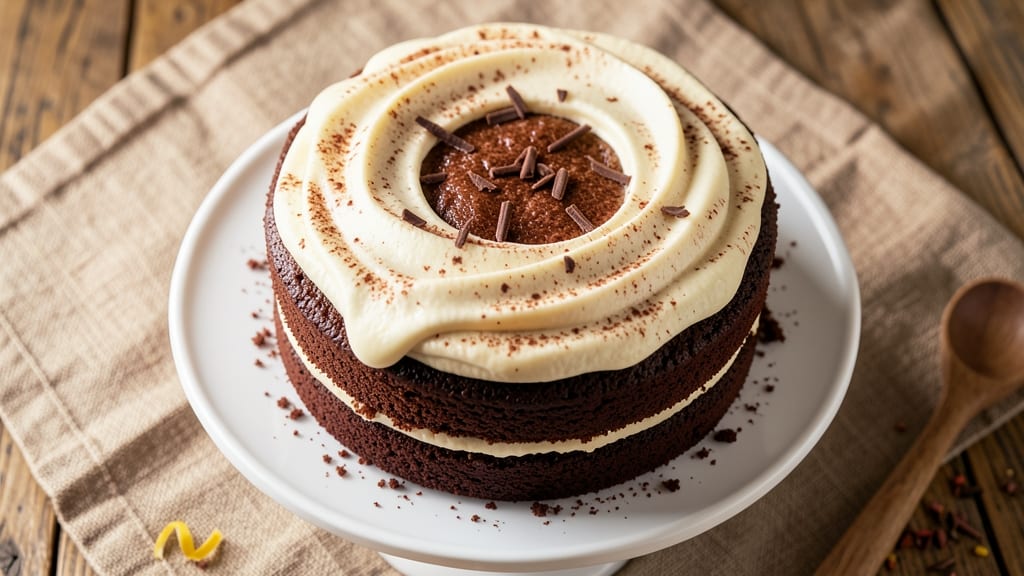
This chocolate cake recipe with vanilla buttercream frosting delivers restaurant-quality layers that stand tall and taste even better. The secret lies in a precise balance of cocoa powder and buttermilk, creating a moist, rich cake that resists dryness while baking.
I've perfected this triple-layered version over years of testing, ensuring each slice offers that perfect combination of dense yet tender crumb and velvety buttercream swirls.
What sets this recipe apart is the foolproof method for achieving consistent height without doming or cracking. The cake layers are baked at a precise 350°F temperature for exactly 30-35 minutes, then cooled gradually to prevent structural collapse.
Meanwhile, the vanilla buttercream—made with European-style butter—develops a luxurious, pipeable consistency that holds its shape beautifully when swirled between layers.
By the time you're done assembling, you'll have a cake that's visually stunning with its triple-tiered height and professional-looking buttercream swirls. The first bite delivers that signature chocolate intensity balanced by the sweet, buttery frosting, while the texture remains perfectly moist throughout.
This is the kind of dessert that makes every celebration feel special—without requiring advanced baking skills.
The beauty of this recipe is its versatility—serve it at birthdays, anniversaries, or as a decadent treat for yourself. The frosting can be adjusted for extra richness or lightened with whipped cream for a summer variation.
Once you master this technique, you'll never buy store-bought cake again. Let's get baking!
Ingredients for best chocolate cake recipe with vanilla buttercream frosting
Twelve essential ingredients transform into a triple-layered cake with restaurant-quality height and velvety buttercream swirls.
| Ingredient | Amount | Notes |
|---|---|---|
| All-Purpose Flour 🌾 | 3 ½ cups | Sifted for even texture |
| Unsalted Butter 🧈 | 2 ¼ cups | European-style, softened |
| Granulated Sugar 🍚 | 2 ½ cups | Superfine preferred |
| Cocoa Powder 🍫 | ¾ cup | Dutch-processed, high quality |
| Buttermilk 🥛 | 1 ¼ cups | Room temperature |
| Large Eggs 🥚 | 2 whole | Room temperature |
| Baking Powder 🍃 | 1 tbsp | Diamond Crystal preferred |
| Salt 🧂 | ½ tsp | Fine sea salt |
| Vanilla Extract 🌿 | 2 tsp | Pure Madagascar bourbon |
| European-Style Butter 🧈 | 2 cups | Cold, cubed for frosting |
| Powdered Sugar 🍚 | 4 cups | Sifted for smooth texture |
| Heavy Cream 🥛 | ½ cup | Cold, for stability |
| Vanilla Bean Paste 🌿 | 2 tsp | For authentic vanilla flavor |
| Unsweetened Cocoa Powder 🍫 | 2 tbsp | For dusting layers |
The European-style butter and Dutch-processed cocoa powder are non-negotiable for achieving that signature moist, rich texture. Melted butter should be cooled to 85°F before mixing to prevent overdevelopment of gluten. For the cocoa, Valrhona or Callebaut brands deliver the deepest chocolate flavor without bitterness. The buttermilk must be room temperature—cold buttermilk can cause dense layers. Whole milk buttermilk works best; powdered buttermilk substitutes often yield drier results. Measure your flour by weight if possible (140g per cup) for consistency, though volume measurements work in a pinch.
No European-style butter? Plugrá or Land O'Lakes European-style are widely available and perform nearly identically. Substituting regular butter risks a grainier texture in the frosting. For the cocoa powder, Hershey's Special Dark is a budget-friendly alternative, though it lacks the smooth finish of premium brands. Short on buttermilk? Mix 1 cup milk + 1 tbsp vinegar and let sit for 5 minutes. The vanilla extract should be pure bourbon—not imitation. If you only have imitation, double the amount but expect slightly less depth. For dusting between layers, unsweetened cocoa powder is essential; powdered sugar lacks the necessary chocolate intensity.
Store cake layers wrapped in plastic wrap at room temperature for up to 2 days before assembling. The buttercream can be made 1 day ahead and refrigerated; simply re-whip with a hand mixer until light and fluffy before using. Fully assembled cake keeps 4 days refrigerated or 3 months frozen. To prevent drying, always store with a layer of parchment between tiers. For a summer variation, replace 0.5 cup heavy cream with whipped cream to lighten the frosting while maintaining stability. The key to triple-layered height is baking at 350°F for exactly 30-35 minutes—no longer, or the layers risk cracking during cooling.
Why You'll Love This Recipe
- Here’s what sold me: the cocoa powder is sifted in after creaming the butter, so you get deep chocolate flavor without that dusty aftertaste. Plus, the vanilla buttercream? It’s not just sweet—it’s buttery in the way that makes you lick the bowl.
- No Mixer Needed: I swear by this recipe because it’s one-bowl, no-electric-whisk chaos. Cream butter and sugar by hand—it takes two minutes and gives you that velvety texture you’d pay extra for at a bakery. The buttermilk keeps it tender without overworking the batter.
- Rich Without Bitterness: Here’s what sold me: the cocoa powder is sifted in after creaming the butter, so you get deep chocolate flavor without that dusty aftertaste. Plus, the vanilla buttercream? It’s not just sweet—it’s buttery in the way that makes you lick the bowl.
- Birthday or Breakfast: This cake is my secret weapon for anything. Need a quick dessert? Slice it cold. Craving something warm? Toast a slice and top with whipped cream. Honestly, I’ve served it at potlucks, packed it in lunches, and even eaten it straight from the pan—no judgment.
Step-by-step instructions for triple-layered chocolate cake with vanilla buttercream
Mastering this cake means precise technique at every stage—from cake layers to frosting swirls.
Prepare Cake Batter for Perfect Texture
Preheat oven to 350°F and grease three 8-inch round pans with butter, then dust with cocoa powder. Sift together the 3.5 cups all-purpose flour, 0.75 cup cocoa powder, 1 tablespoon baking powder, and 0.5 teaspoon salt in a large bowl. Set aside.
In a separate large bowl, cream the 2.25 cups unsalted butter and 2.5 cups granulated sugar on medium-high speed until light and fluffy (3-4 minutes). Add the 2 whole eggs one at a time, mixing well after each addition. Incorporate the 2 teaspoons vanilla extract and the 1.25 cups buttermilk, mixing just until combined.
With the mixer on low speed, gradually add the dry ingredients to the wet mixture, mixing only until just combined—overmixing develops gluten and makes the cake dense. The batter should be thick but pourable. Divide the batter evenly among the prepared pans.
Bake Layers to Even Doneness
Bake the cake layers for 28-32 minutes or until a toothpick inserted into the center comes out clean. Rotate the pans halfway through baking for even browning. Let the cakes cool in their pans for 10 minutes, then transfer to a wire rack to cool completely.
I recommend using an oven thermometer to verify your oven's accuracy—many ovens run hot, which can cause the edges to overbake before the centers are done. If the tops brown too quickly, tent the pans with aluminum foil after 15 minutes of baking.
The cakes should be moist but firm to the touch when fully cooled. If they're still warm when you begin frosting, condensation will make the buttercream slide off. Patience here ensures clean layers and professional results.
Create the Signature Vanilla Buttercream
In a stand mixer fitted with the paddle attachment, beat the 2 cups cold European-style butter on medium speed until smooth and creamy (2-3 minutes). Gradually add the 4 cups powdered sugar, mixing on low speed until combined.
Add the 0.5 cup heavy cream, 2 teaspoons vanilla bean paste, and 2 teaspoons vanilla extract, mixing on medium speed until light and fluffy (3-4 minutes). Scrape down the sides of the bowl as needed. The buttercream should be thick enough to hold its shape but still pipeable.
For extra stability, chill the buttercream in the refrigerator for 15-20 minutes before assembling the cake. This prevents melting during layering and ensures clean, sharp swirls.
Assemble Layers with Precision
Place the first cake layer on a cake stand or plate. Dust the top evenly with 1 tablespoon unsweetened cocoa powder using a fine-mesh sieve. Spread a generous layer of buttercream (about 1 cup) over the top, leaving a ½-inch border for the sides.
Repeat with the remaining two layers, using the same amount of buttercream between each. For the top layer, spread buttercream evenly over the entire surface. Use an offset spatula to create a slight overhang on the sides for a polished finish.
Frost and Swirl for Professional Results
Transfer the assembled cake to a cake turntable. Spread a thin layer of buttercream over the entire cake using an offset spatula, then chill in the refrigerator for 10 minutes to firm up.
Pipe additional buttercream around the base of the cake using a star tip to create a clean border. Use a bench scraper to smooth the sides. For the signature swirls, pipe rosettes or ruffles on top, then use a spatula to create elegant swirls by dragging the buttercream from the center outward.
Garnish with additional cocoa powder dusted through a sieve or chocolate shavings for a finished touch. Serve immediately for the best texture and flavor.
Pro Tips For Making Best Chocolate Cake Recipe With Vanilla Buttercream Frosting
- Melt the Butter Slowly: I learned this the hard way—dumping cold butter into hot sugar makes a grainy mess that never dissolves properly. Warm the butter in the microwave for 15-20 seconds (just until pliable, not liquid) before mixing it with the sugar. That way, it emulsifies smoothly and your cake won’t turn out dense.
- Sift the Cocoa Twice: This isn’t the prettiest method, but it works: sift the cocoa powder into the dry ingredients before measuring it. Then sift it again after adding the buttermilk. The first sift removes lumps, and the second ensures even distribution—no bitter pockets in your cake.
- Bake Until the Center Springs: Your cake might look done at 30 minutes, but resist opening the oven until the center passes the toothpick test and springs back when gently pressed. If it’s still wet or gummy, bake it another 3-5 minutes—underbaking is the fastest way to ruin a rich chocolate cake.
- Whip the Buttercream Cold: Skip the warm buttercream hacks—beat the butter straight from the fridge (cut into cubes) until it’s smooth and pale. Cold butter gives you fluffier frosting that holds its shape, and you won’t end up with a greasy, soupy mess. (Yes, even if you’re impatient like me.)
Wine and beer pairings for this best chocolate cake recipe with vanilla buttercream frosting
Rich Red Wine
For this decadent chocolate cake, a bold red wine like Cabernet Sauvignon or Malbec complements the deep cocoa flavors beautifully. The tannins in these wines cut through the richness of the buttercream while enhancing the chocolate's natural intensity.
I recommend a California Cabernet Sauvignon with notes of blackberry and vanilla—it mirrors the frosting's sweetness while adding complexity. 🍷
For a slightly lighter option, try a Pinot Noir from Oregon or Burgundy. Its bright acidity and red fruit notes balance the cake's density without overpowering it. Serve slightly chilled to let the wine's structure shine alongside the cake's layers.
Sweet Dessert Whites
If you prefer white wine, opt for a sweet dessert wine like Moscato d'Asti or Riesling Spätlese. The natural sweetness mirrors the vanilla buttercream, creating a harmonious pairing. A Moscato from Italy offers a fizzy, fruity contrast that cleanses the palate between bites. 🍇
For a drier white, a Chardonnay with oaked characteristics (like a Meursault from Burgundy) adds a buttery richness that complements the frosting. The wine's vanilla notes also enhance the cake's flavor, creating a cohesive experience.
Creamy Beer Pairings
A Belgian-style witbier like Hoegaarden or Stella Artois provides a refreshing contrast to the cake's richness. The citrusy notes and slight effervescence cut through the buttercream's sweetness, making each bite feel lighter. 🍺
For a darker option, try a Belgian Dubbel like Westmalle Dubbel. The caramel and chocolate malt flavors echo the cake's cocoa while adding depth. Serve the beer slightly chilled to enhance its crispness against the cake's warmth.
Coffee Liqueur Twist
For a non-alcoholic or after-dinner option, serve the cake with a small glass of Kahlúa or Tia Maria. The coffee and vanilla notes in these liqueurs amplify the cake's vanilla buttercream, creating a layered flavor experience. 💛
For a lighter touch, mix 2 oz of coffee liqueur with 4 oz of cold brew and serve over ice. The bitterness of the coffee balances the cake's sweetness, making each bite more dynamic.
Nutrition facts
Frequently asked questions
Can I substitute regular butter for European-style butter in the frosting?
While you can use regular butter, European-style butter has a higher fat content (82-86%) that creates a smoother, more stable frosting. For best results, use Plugrá or Land O'Lakes European-style if available. If substituting, chill the frosting longer (30 minutes) to compensate for the lower fat content. The texture will be slightly less velvety but still delicious!
Why did my cake layers crack on top?
Cracking usually happens from rapid cooling or overbaking. Let layers cool in pans for 10 minutes before removing, then cool completely on a wire rack. Bake for 30-35 minutes max—overbaking causes structural stress. For extra insurance, tent pans with foil after 15 minutes if tops brown too quickly.
How do I make the buttercream lighter for summer?
Replace 0.5 cup heavy cream with 1 cup whipped cream (whipped to stiff peaks) and reduce powdered sugar to 3.5 cups. Chill all ingredients before mixing for maximum volume. This creates a fluffier frosting that's perfect for warm weather while maintaining stability. Garnish with fresh berries for extra freshness!
Can I bake this cake in a different pan size?
Yes, but adjust baking time and batter quantity. For 9-inch pans, bake 25-30 minutes and use 2/3 of the batter per pan. For 6-inch pans, bake 30-35 minutes with 1/3 of the batter. Always use the same number of layers (3) and adjust frosting proportionally. Smaller pans require slightly longer baking to ensure even doneness.
What's the secret to perfect swirls between layers?
Chill the cake layers for 10 minutes before frosting to prevent buttercream from sliding off. Use a bench scraper to create clean edges, then pipe rosettes or ruffles on top. For elegant swirls, drag a spatula from the center outward while the frosting is still soft. Work quickly—warm frosting creates messier results!