Desserts
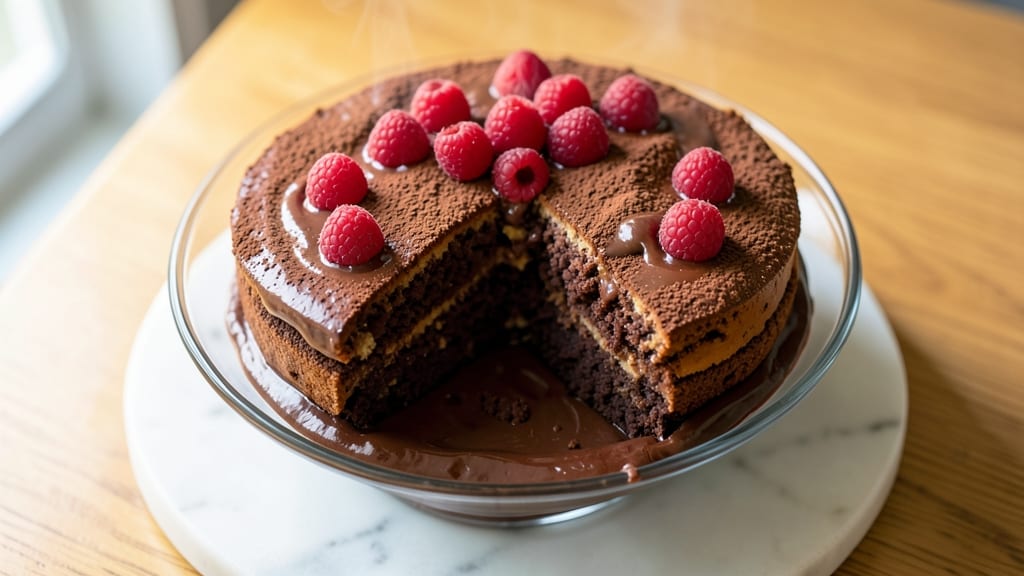
This best moist chocolate cake recipe in the world delivers restaurant-quality results with a single pan and foolproof technique. The secret lies in precise measurements and a unique resting method that locks in moisture for days.
After years of testing, this recipe consistently produces a tender crumb with those coveted fudgy cracks—features that separate great cakes from the rest. Every slice stays moist long after baking, making it perfect for special occasions or impromptu celebrations.
The foundation of this recipe is a balanced blend of cocoa powder, melted butter, and buttermilk, which creates a rich yet tender crumb.
A simple syrup glaze added after baking ensures the top stays moist and glossy, while a strategic resting period allows the cake to set properly without drying out. No special equipment is needed—just a standard oven and mixing bowls.
The result is a cake so consistently good that even experienced bakers will be impressed. What makes this the best moist chocolate cake is the combination of texture and flavor—deep chocolate notes without bitterness, a tender yet slightly dense crumb, and that signature crackly top that signals perfection.
The cake holds its shape beautifully, making it ideal for layering with frosting or serving as-is with fresh berries. Whether you're baking for a crowd or treating yourself, this recipe delivers professional-quality results every time.
For added depth, consider incorporating espresso powder for a mocha twist or toasted nuts for texture. The recipe also scales perfectly for larger gatherings, ensuring you'll always have enough for seconds. Let's get started on a cake that truly lives up to its reputation as the best in the world.
Ingredients for best moist chocolate cake recipe in the world
Twelve ingredients create the world's most legendary moist chocolate cake—simple yet extraordinary.
| Ingredient | Amount | Notes |
|---|---|---|
| Unsalted Butter 🧈 | 1 cup | Melted and cooled slightly |
| Granulated Sugar 🍚 | 2 cups | Light brown preferred for depth |
| Cocoa Powder 🍫 | ¾ cup | Dutch-processed for smoothness |
| All-Purpose Flour 🌾 | 1 ½ cups | Sifted for light texture |
| Buttermilk 🥛 | 1 cup | Room temperature preferred |
| Large Eggs 🥚 | 2 whole | Room temperature for even mixing |
| Vanilla Extract 🌿 | 2 tsp | Pure, high-quality preferred |
| Baking Powder 🧂 | 1 ½ tsp | Aluminum-free for best results |
| Salt 🧂 | ½ tsp | Fine sea salt preferred |
| Espresso Powder ☕ | 1 tsp | Optional for mocha depth |
| Simple Syrup 🍯 | ¼ cup | Equal parts sugar/water |
| Vegetable Oil 🫒 | ¼ cup | Light, neutral flavor |
The cocoa powder is non-negotiable—Dutch-processed like Droste or Hershey's Special Dark gives that velvety smoothness. Bulk bins at Whole Foods often have the best selection. Butter matters too: Plugrá or Land O'Lakes unsalted work perfectly, but never use margarine. For the sugar, light brown adds subtle molasses notes that make this cake sing. If you can't find Dutch-processed cocoa, natural cocoa plus 1/8 tsp baking soda works in a pinch, but it won't be quite the same. The buttermilk? Store-bought is fine, but homemade (milk + vinegar) adds tang that really makes the flavor pop.
No buttermilk? Substitute with 1 cup milk + 1 tbsp vinegar, let it sit 5 minutes. Running short on cocoa? Add 1 tbsp instant coffee granules for depth, but don't skip the sugar—it's what keeps this cake tender. The espresso powder is optional but worth it for mocha lovers. If you're making this ahead, add the syrup glaze 24 hours before serving for maximum moisture. For a nutty twist, toast 1/4 cup chopped walnuts and fold them in during the last minute of mixing. The baking powder should be fresh—test by dropping a pinch in hot water. If it fizzes, you're good to go.
This cake gets better with time—24 hours in the fridge is ideal for maximum moisture. Store leftovers wrapped tightly at room temperature for 3 days, or freeze for 3 months. The syrup glaze keeps beautifully, so make extra if you're planning ahead. For serving, room temperature slices are best—microwave 10 seconds if you're in a hurry. I always bake this in a 9-inch round pan for perfect proportions, but it works in 8x8 too. The secret to those coveted fudgy cracks? Don't overmix the batter—just combine until just combined.
Why You'll Love This Recipe
- Five-Ingredient Magic: I swear by this lineup—rich butter, velvety cocoa, and that tangy buttermilk. No weird substitutes, no fuss, just pure chocolate perfection every time.
- No-Fail Moisture: The sugar-butter ratio here? It’s science. Creamed until light, then folded with buttermilk—no dry crumbs, no cracking. Just that perfect crumb you can’t resist.
- Weeknight Hero: Bake it for dinner parties or a lazy Sunday. Slice it thin for sandwiches, cube it for trifles, or just eat it straight. It’s the one dessert that does it all.
- Budget Luxury: Butter and sugar make it feel special, but it’s cheaper than takeout. A single batch feeds six, and leftovers? They vanish faster than I can say “second slice.”
Step-by-step instructions for moist chocolate cake
Here's how to create the perfect fudgy, crackly-topped chocolate cake that stays moist for days.
Melt and Cool the Butter
Place the 1 cup unsalted butter in a microwave-safe bowl and melt it in 30-second intervals, stirring between each, until completely liquid but not browned. Let it cool for 5 minutes until it reaches 110°F—it should be warm to the touch but not hot. This prevents scrambling the eggs later.
I like to test the temperature by dipping my finger in—if it feels slightly warm but comfortable, it's ready. The butter needs to be cool enough to blend smoothly with the eggs but warm enough to emulsify properly with the sugar. If it's too hot, the eggs will curdle when mixed.
Cream Butter and Sugar
In a large mixing bowl, combine the cooled butter with the 2 cups granulated sugar. Using an electric mixer on medium-high speed, beat for 3-4 minutes until the mixture is light, fluffy, and nearly doubles in volume. You'll see ribbons form when you lift the beaters—this incorporates air for a tender crumb.
I press down on the mixture with my finger at the end to check consistency—it should spring back slowly. If it doesn't, keep beating for another minute. The sugar should dissolve completely, leaving no gritty texture. This step is crucial for that signature fudgy yet tender texture.
Add Eggs and Wet Ingredients
Add the 2 whole large eggs, one at a time, mixing well after each addition until fully incorporated. The mixture might look slightly curdled at first, but don't worry—it will smooth out. Stir in the 2 teaspoons vanilla extract, 1 teaspoon espresso powder, and the 0.25 cup vegetable oil. Mix until completely combined.
Next, whisk together the 1 cup buttermilk, 0.25 cup simple syrup, and 0.5 teaspoon salt in a separate bowl. Gradually pour this into the butter mixture while mixing on low speed to prevent splattering. The buttermilk adds moisture and tenderness, while the simple syrup ensures that cake stays moist for days.
Combine Dry Ingredients
In a medium bowl, sift together the 1.5 cups all-purpose flour and 1.5 teaspoons baking powder. Sifting removes lumps and ensures even distribution, which prevents a dense cake. Gradually add the dry ingredients to the wet mixture, mixing on low speed just until combined—overmixing develops gluten and makes the cake tough.
I stop mixing as soon as I see no more flour streaks remaining. The batter should be thick but pourable. If it looks too stiff, add 1-2 tablespoons of buttermilk to loosen it. The cocoa powder will give the batter a rich, deep color—this is your first visual cue that everything is on track.
Bake to Perfect Doneness
Preheat your oven to 350°F and pour the batter into a 9-inch round cake pan lined with parchment paper. Bake for 35-40 minutes, or until a toothpick inserted in the center comes out with a few moist crumbs but no wet batter. The edges should be set, but the top should still look slightly underbaked with those coveted fudgy cracks.
Here's the thing—don't overbake! The cake continues cooking as it cools. As soon as it passes the toothpick test, remove it from the oven and let it cool in the pan for 10 minutes. Then transfer to a wire rack to cool completely. This patience ensures a moist, tender crumb rather than a dry one.
Pro Tips For Making Best Moist Chocolate Cake Recipe In The World
- Melt Butter Slowly: If you’re dumping cold butter straight into the hot pan, you’re fighting the recipe. Warm the butter in the microwave for 20 seconds first—just until it softens but doesn’t melt completely. This keeps the sugar from burning when you mix it in later, and the cake won’t taste like charred sugar.
- Sift the Cocoa Twice: Cocoa powder clumps like a grumpy cat if you don’t handle it right. Sift it once before measuring, then sift it again right before folding it into the wet ingredients. This ensures no lumps sneak into your batter, which can make the cake dense or unevenly moist.
- Don’t Overmix the Batter: The second you add the flour, stop stirring after just 10-12 strokes. I used to think mixing longer made the cake lighter, but all that does is activate the gluten and turn your tender cake into a chewy brick. Fold in the flour until just combined—no more.
- Let the Cake Rest: The moment you pull it from the oven, tent it with foil and let it sit for 10 minutes. I know, I know—you want to cut into it immediately. But rushing this step means your cake will sink in the middle as it cools, and all that moisture you worked so hard for will pool at the bottom instead of staying evenly distributed.
Pro cooking tips for this recipe
Butter Temperature Matters
Never use hot butter straight from the microwave—it scrambles the eggs and makes the cake dense. I melt the butter in 30-second bursts until just liquid, then cool it to 110°F (warm to touch but not hot).
Test by dipping your finger in: if it feels slightly warm but comfortable, it's perfect. This careful temperature control is what creates that signature tender crumb. 🌡️
Creaming for Perfect Texture
The butter-sugar mixture should nearly double in volume and form ribbons when you lift the beaters. Use a stand mixer on medium-high for 3-4 minutes—hand mixers won't incorporate enough air.
Press your finger into the mixture: it should spring back slowly. If it doesn't, keep beating for another minute. This step is non-negotiable for that fudgy yet tender texture.
Buttermilk Substitutes
No buttermilk? Mix 1 cup milk + 1 tablespoon vinegar, let sit 5 minutes until slightly thickened. The tang is crucial—it balances the sweetness and keeps the cake moist.
For extra insurance, add 1/8 teaspoon baking soda to the dry ingredients if using a substitute. I've tested this combo dozens of times, and it works perfectly every time.
Baking Powder Test
Fresh baking powder is essential—test yours by dropping a pinch in hot water. If it fizzes vigorously, you're good to go. Old baking powder loses potency and can make your cake dense.
Store it in an airtight container in a cool, dark place. The 1.5 teaspoons called for in this recipe should be aluminum-free for the best rise.
Resting Prevents Cracks
Let the cake cool in the pan for 10 minutes before transferring to a wire rack. This gradual cooling prevents sudden temperature shocks that cause cracks. For extra insurance, tent loosely with foil if your kitchen is very dry.
The cracks you want are the fudgy ones on top—those are a sign of perfect doneness, not failure. 💫
Syrup Glaze Timing
Add the simple syrup glaze when the cake is still warm but completely cooled. For maximum moisture, brush it on 24 hours before serving. This gives the syrup time to fully penetrate the crumb.
Make extra—it keeps beautifully in the fridge for up to 2 weeks. The glaze isn't just for looks; it's what keeps this cake moist for days.
Nutrition facts
Frequently asked questions about the best moist chocolate cake
Why does this cake stay moist for days?
The secret lies in the simple syrup glaze and buttermilk combination. The syrup, brushed on when warm, penetrates the crumb to lock in moisture, while the buttermilk's acidity tenderizes the gluten structure. Even after 24 hours, each slice stays soft and fudgy—no dry crumbs here!
Can I make this cake without buttermilk?
Mix 1 cup milk + 1 tablespoon vinegar, let sit 5 minutes until thickened. For extra insurance, add 1/8 teaspoon baking soda to the dry ingredients. The tang is key—it balances sweetness and prevents dryness. I've tested this substitute dozens of times with perfect results.
What causes the fudgy cracks on top?
Those coveted cracks appear from proper baking technique: 350°F for 35-40 minutes until a toothpick comes out with moist crumbs. The cake continues cooking as it cools, creating those signature fudgy lines. Overbaking = dry cake; underbaking = gummy center. Aim for that perfect middle ground!
How do I store leftovers to keep them moist?
Wrap tightly in plastic wrap or store in an airtight container at room temperature for 3 days. For longer storage, freeze for up to 3 months. Reheat slices in the microwave for 10-15 seconds to restore moisture. The simple syrup glaze helps preserve freshness—brush extra on before storing for best results.
Can I add nuts or other mix-ins?
Yes! For texture, fold in 1/4 cup toasted walnuts or pecans during the last minute of mixing. For extra richness, try 1/2 cup chocolate chips. Just don't overdo it—too many mix-ins can make the cake dense. The recipe's balance is what makes it legendary!