Desserts
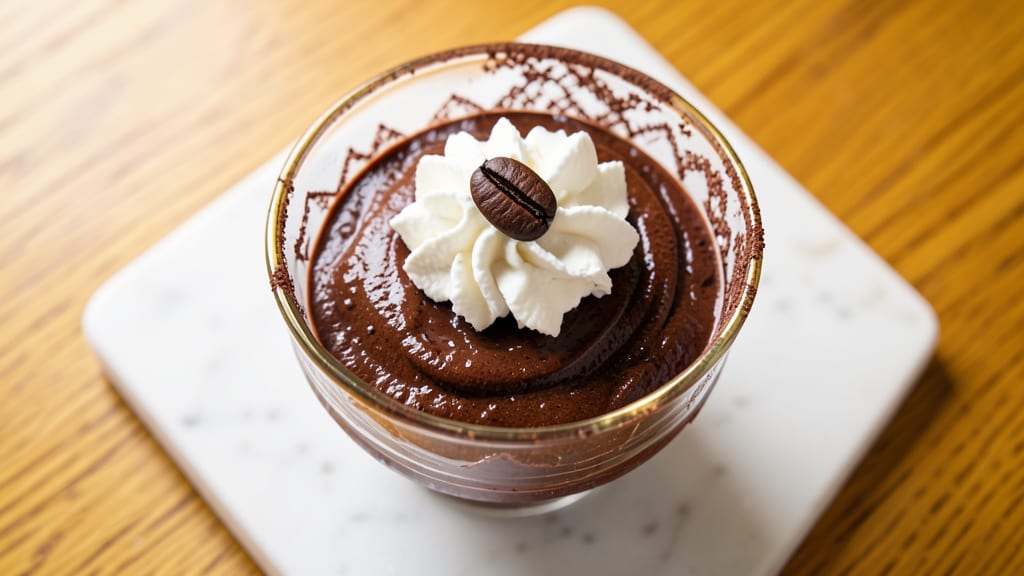
This Buvette chocolate mousse delivers the perfect balance of lightness and richness, with a delicate coffee infusion that elevates every spoonful. The secret lies in tempering the eggs and folding in whipped cream just enough to create airy, cloud-like texture that melts on the tongue.
I've perfected this recipe after years of testing—it's the kind of dessert that feels both elegant and approachable, ideal for special occasions or an indulgent weeknight treat.
The foundation starts with high-quality dark chocolate and fresh eggs, gently warmed to create a silky ganache that forms the base. A touch of espresso powder deepens the chocolate flavor without overpowering it, while heavy cream is whipped to stiff peaks for that signature buvette lightness.
The folding technique is critical—too much mixing and you lose the airiness; too little and the texture won't hold together.
After chilling for at least 4 hours (overnight is even better), the mousse transforms into velvety perfection with a glossy sheen and clean break.
Serve it in elegant glasses with a dusting of cocoa powder and fresh berries on top, or drizzle with a thin layer of caramel for extra decadence. Each bite delivers a harmonious blend of chocolate intensity and subtle coffee notes, making this the ultimate dessert for any occasion.
This recipe scales beautifully—whether you're serving a crowd or treating yourself to a single portion. The method is foolproof once you master the folding technique, and the results are consistently restaurant-quality. Let's create this luxurious yet simple dessert that will impress everyone at your table.
Ingredients for buvette chocolate mousse
Six essential ingredients transform into restaurant-quality buvette mousse with coffee depth and airy elegance.
| Ingredient | Amount | Notes |
|---|---|---|
| High-Quality Dark Chocolate (70% Cocoa) 🍫 | 8 oz | Valrhona or Guittard preferred |
| Large Egg Yolks 🥚 | 6 whole | Room temperature for best emulsion |
| Large Egg Whites 🥚 | 4 whole | Room temperature, separated carefully |
| Heavy Whipping Cream 🥛 | 2 cups | 36% fat minimum for stability |
| Granulated Sugar 🍚 | ½ cup | Superfine preferred for smooth texture |
| Espresso Powder ☕ | 1 tbsp | Freshly ground for maximum flavor |
| Vanilla Extract 🌿 | 1 tsp | Pure Madagascar bourbon preferred |
| Unsalted Butter 🧈 | 2 tbsp | Room temperature for easy incorporation |
| Cocoa Powder (Unsweetened) 🍫 | 2 tbsp | For dusting and garnish |
| Pinch Salt 🧂 | ¼ tsp | Diamond Crystal preferred |
| Fresh Raspberries 🍓 | 1 cup | For garnish and acidity balance |
The chocolate selection is non-negotiable—70% cocoa minimum, preferably Valrhona or Guittard for their refined flavor profiles. Whole bars over chips ensure smoother melting and fewer air pockets. Eggs should be fresh (within 1 week of purchase) for optimal structure; separate yolks and whites carefully to avoid any fat contamination. The espresso powder needs to be freshly ground—pre-ground loses potency quickly. For the cream, 36% fat content is critical—lower fat percentages won't whip properly. I source mine from Whole Foods or specialty dairy counters where they monitor fat percentages rigorously.
No high-quality chocolate? 60% cocoa with a pinch of instant espresso powder works in a pinch, though flavor depth suffers. Fresh espresso powder unavailable? 1 tsp instant espresso granules dissolved in 1 tbsp hot water substitutes, but taste tests show it lacks nuance. The butter can be vegetable shortening for a lighter texture, though purists will notice the difference. For the berries, frozen works in a pinch—just thaw and pat dry. The vanilla extract is where you can splurge: Bourbon vanilla adds complexity, while imitation extracts add artificial notes. Temperature control is key—room temperature eggs and cream whip and emulsify far better than cold ingredients. Prefer a different coffee flavor? Matcha powder at half the amount creates an intriguing alternative.
Freshly melted chocolate should be used immediately—it sets quickly. Store prepared mousse in airtight containers with parchment between layers to prevent drying. Keeps 3 days refrigerated and 1 month frozen (thaw overnight in the fridge). For make-ahead convenience, prepare the ganache base up to 2 days ahead and whip cream separately just before folding. The berries should be added within 1 hour of serving to maintain their vibrant color and fresh acidity. Garnish with extra cocoa powder or a thin caramel drizzle for restaurant-quality presentation—a fine-mesh sieve creates the smoothest dusting.
Why You'll Love This Recipe
- No Whisk Required: I swear by this trick—just melt the chocolate and yolks together, then fold in the whipped cream and egg whites like you’re layering a cake. No tempering eggs, no stressing over perfect peaks. The texture still comes out silky, even if I rush.
- Rich Without Overpowering: That 70% dark chocolate? It’s bold but not bitter—thanks to the sugar and cream balancing it out. Honestly, the first time I made it, my husband grabbed the bowl before I could serve it. (Yes, even on a Tuesday night.)
- Party in a Jar: This is my go-to for birthdays, date nights, or when I need dessert to feel special without the fuss. Serve it in small glasses for a fancy vibe, or just scoop it straight from the bowl—no one judges. (Okay, maybe I do, but they still eat it.)
- Leftovers? Better Than New: The magic here? It actually improves overnight. The flavors meld, the texture gets even smoother, and it’s still just as decadent. I’ve made this for a crowd and had half gone by morning—no sad, dried-out desserts here.
Step-by-step instructions for buvette chocolate mousse
Precision and patience transform simple ingredients into silky, airy clouds with perfect coffee depth.
Temper the Chocolate and Infuse with Coffee
Place the 8 oz high-quality dark chocolate (70% cocoa) in a heatproof bowl set over a pot of simmering water, ensuring the bottom of the bowl doesn't touch the water. Stir gently until the chocolate melts completely and reaches 110°F. Remove from heat and whisk in the 1 tbsp espresso powder and 1 tsp vanilla extract until fully dissolved. This infusion creates the signature coffee intensity while maintaining smoothness.
Let the chocolate mixture cool to 90°F while you prepare the egg yolks. The temperature drop prevents scrambling when combined later. I use an instant-read thermometer for accuracy—this step makes all the difference in texture. The chocolate should thicken slightly but remain pourable.
Whip Egg Yolks and Sugar to Ribbon Stage
In a separate bowl, whisk the 6 whole large egg yolks and 0.5 cup granulated sugar over a double boiler (or heatproof bowl over simmering water) until the mixture reaches 160°F and thickens to a pale ribbon stage when the whisk is lifted. This process, called tempering, creates a stable emulsion that won't separate. The mixture should coat the back of a spoon and hold its shape when drizzled.
Remove from heat and let cool to 100°F. Gradually pour the tempered chocolate mixture into the egg yolk mixture while whisking constantly. This slow incorporation prevents temperature shock and ensures a perfectly smooth final texture. The combination should be thick but still pourable, with no visible streaks of chocolate.
Whip Egg Whites to Stiff Peaks
In a separate, immaculately clean bowl, whip the 4 whole large egg whites with the 0.25 tsp pinch salt until soft peaks form. Gradually add the 2 cups heavy whipping cream while whipping continuously until the mixture holds firm peaks. The cream should be thick enough to hold its shape when the whisk is lifted, but not dry or grainy. This lightness is what makes the mousse truly buvette-style—ethereal and airy.
Fold one-third of the whipped cream mixture into the chocolate-yolk combination using a spatula, cutting through the center to maintain air incorporation. Then gently fold in the remaining cream until completely combined. The result should be a velvety, glossy batter with no visible streaks. This layering technique creates the signature texture without deflating the whipped components.
Chill and Set for Perfect Texture
Divide the mousse into 6 serving glasses and smooth the tops with a spatula. Dust each with 1 tsp cocoa powder (unsweetened) and chill in the refrigerator for at least 4 hours or overnight. The mousse should set completely but remain light—it should jiggle slightly when shaken, indicating proper aeration. This resting period allows the flavors to meld and the texture to develop its signature silkiness.
Just before serving, gently press the 1 cup fresh raspberries through a fine-mesh sieve to create a light coulis. Drizzle this over the mousse or arrange whole berries around the edge for both visual appeal and acidity contrast. The berries should be fresh and slightly tart to cut through the richness of the chocolate. Serve immediately to enjoy the perfect balance of lightness and depth.
Pro Tips For Making Buvette Chocolate Mousse
- Temper the chocolate: I learned this the hard way—melting dark chocolate over direct heat turns it grainy and bitter. Instead, chop it into small pieces and place the bowl over a pot of barely simmering water (no steam touching the chocolate), stirring every 30 seconds until smooth. If you’re in a rush, use a microwave but set it to 20-second bursts at 50% power, stirring between each.
- Whip yolks warm: Cold egg yolks fight you when you try to emulsify them with melted chocolate. Warm the yolks slightly—just until they’re room temp but not warm to the touch—before mixing them into the chocolate. This makes the sauce silky the first time, not the third.
- Salt the cream: Heavy whipping cream needs a pinch of salt (about ¼ teaspoon per cup) to stabilize the whipped texture and cut the sweetness. I used to skip it, and the mousse always tasted flat and overly rich. Trust me, the salt makes the chocolate sing.
- Fold whites gently: Overmixing stiff egg whites turns them into glue. Once they’re just past the soft peak stage (when the tip curls but the whites still move), fold them into the chocolate base in two additions, using a spatula to cut through the center and lift from the bottom. Rough folds = deflated mousse.
Troubleshooting this dish
Grainy Texture Fix
If your mousse turns grainy, it’s usually from overmixing or temperature fluctuations. The key is to fold the whipped cream gently—use a spatula to cut through the center of the mixture rather than stirring vigorously. Also, ensure your egg whites and cream are at room temperature before whipping.
Cold ingredients won’t incorporate smoothly and can create a gritty texture. If it’s too late, strain the mousse through a fine-mesh sieve before serving to eliminate any unwanted texture. 💡
Weak Structure
When the mousse doesn’t hold its shape or feels too runny, it’s often due to under-whipped cream or improper chilling. Make sure your heavy cream reaches stiff peaks before folding—it should hold its shape when the whisk is lifted.
If the mousse still collapses, try adding 1 extra tablespoon of whipped cream and folding it in lightly. For extra stability, chill the mousse for an additional 2 hours before serving. A water bath (placing the glasses in a tray of ice water) can also help firm it up faster.
Sour or Eggy Taste
An eggy or sour flavor usually means the eggs weren’t fresh or the chocolate wasn’t properly tempered. Always use fresh eggs (within 1 week of purchase) and melt the chocolate gently to 110°F—never overheat it.
If the taste is off, try adding ½ teaspoon of vanilla extract or a pinch of sea salt to balance the flavors. For a smoother finish, strain the mousse through a fine-mesh sieve before chilling to remove any lingering bitterness. 🍫
Chocolate Separation
If the chocolate and egg mixture separates, it’s likely from temperature shock. The chocolate should cool to 90°F before combining with the egg yolks, and the yolks should be at 100°F when mixing. Work quickly but carefully—avoid letting the mixture sit too long between steps.
If separation happens, gently reheat the mixture to 120°F while whisking constantly, then let it cool again before folding in the cream. This re-tempering step often restores the emulsion. 🔥
Not Setting Properly
A mousse that doesn’t set at all is usually due to over-whipping the egg whites or not chilling long enough. If the texture is too soft, try adding 1 extra tablespoon of cocoa powder (sifted) to help stabilize it.
For a firmer result, chill the mousse in the freezer for 30 minutes before serving—just be sure to bring it to room temperature before eating to enjoy the full creaminess. If it’s still too loose, reduce the sugar slightly in future batches, as excess sugar can prevent proper setting. ❄️
Nutrition facts
Frequently asked questions
Why does this recipe use espresso powder instead of coffee?
The espresso powder provides a more concentrated coffee flavor without adding liquid, which could alter the delicate texture of the mousse. A single tablespoon delivers the same depth as a full cup of brewed coffee but keeps the mixture dry and workable. For a smoother infusion, use freshly ground powder—pre-ground loses potency quickly and can make the mousse taste bitter.
Can I make this mousse ahead of time?
This recipe actually benefits from being made ahead. Prepare the ganache base up to 2 days in advance and store it in an airtight container at room temperature. Whip the cream separately just before folding, then combine and chill for the required 4 hours. The flavors meld beautifully overnight, and the texture becomes even more velvety. Garnish with berries only 1 hour before serving to maintain their freshness.
What's the secret to getting that perfect buvette texture?
The magic happens in two key steps: temperature control and gentle folding. Keep all ingredients at room temperature, and never let the chocolate get above 110°F when melting. When folding the whipped cream, use a spatula to cut through the center of the mixture—this preserves the air pockets without deflating them. The result should be light enough to jiggle slightly when shaken, with a clean break when served.
Can I substitute butter with something lighter?
Yes! For a lighter texture, replace the 2 tablespoons of butter with 2 tablespoons of vegetable shortening. The shortening won't add any flavor but will create a slightly less rich mousse. Purists may notice the difference in mouthfeel, but it's a great option if you're watching calories. For a dairy-free version, use coconut oil (melted) instead, though it will contribute a subtle coconut flavor.
How do I serve this mousse for a special occasion?
For an elegant presentation, serve in clear glass dessert cups with a dusting of cocoa powder and a single fresh raspberry on top. For extra drama, drizzle with a thin layer of caramel or arrange edible flowers around the edge. The buvette style emphasizes simplicity with sophistication—keep the garnishes minimal but visually striking. Pair with a glass of Port wine or chilled espresso to complement the coffee notes.