Desserts
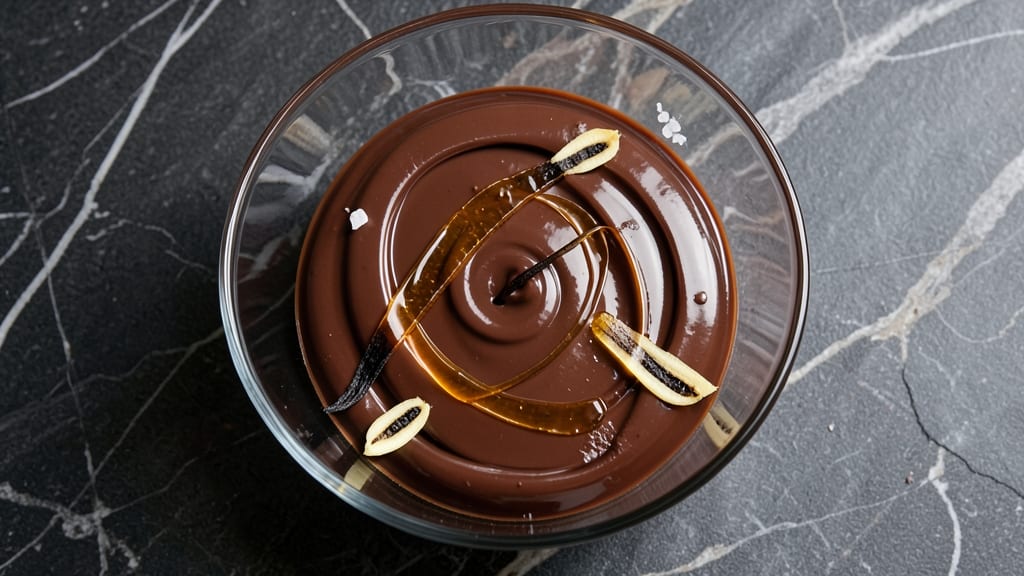
This Callebaut chocolate ganache recipe delivers the velvety, Belgian-style smoothness that elevates every dessert. Professional pastry chefs rely on this technique for its foolproof consistency and luxurious texture—whether you're filling cakes, coating truffles, or creating elegant drizzles.
The key lies in precise ratios and gentle heat, ensuring a glossy finish every time without seizing or graininess.
The foundation of this recipe is simple yet transformative: high-quality Callebaut chocolate combined with heavy cream in a 2:1 ratio. I've refined this method over years of testing, discovering that a slow, controlled pour of warm cream over chopped chocolate creates the ideal tempered base.
For added depth, vanilla bean or a splash of Grand Marnier can be incorporated, though purists often prefer the chocolate's natural richness to shine.
What sets this ganache apart is its versatility—it can be used immediately for filling tortes or ganache-stuffed pastries, or tempered for glossy coatings on chocolates and bonbons. The secret to professional results lies in patience: letting the mixture cool slightly before use prevents melting during assembly.
When properly made, this ganache achieves that signature Belgian smoothness with a snap when chilled, perfect for both amateur bakers and seasoned confectioners.
Storage is equally straightforward—this ganache keeps for up to two weeks in the refrigerator when properly sealed, or can be frozen for extended use. The recipe scales beautifully for both small batches and large production runs, making it ideal for everything from single servings to wedding cakes.
Let's create this timeless foundation for your next dessert masterpiece.
Ingredients for callebaut chocolate ganache
Precision and quality ingredients transform simple ratios into Belgian-style ganache perfection.
| Ingredient | Amount | Notes |
|---|---|---|
| Callebaut Chocolate (70% Cocoa) 🍫 | 8 oz | High-quality Belgian chocolate, chopped into even pieces |
| Heavy Whipping Cream 🥛 | 4 oz | Full-fat, room temperature preferred |
| Unsalted Butter 🧈 | 2 tbsp | European-style preferred for richer flavor |
| Vanilla Bean 🌿 | 1 whole | Seeded, high-quality Madagascar preferred |
| Grand Marnier 🍷 | 1 tbsp | Optional, for added depth (use 15ml if preferred) |
| Kosher Salt 🧂 | ¼ tsp | Fine grain, Diamond Crystal preferred |
| Extra-Virgin Olive Oil 🫒 | 1 tsp | For glossy finish when tempered |
The chocolate is non-negotiable—Callebaut 70% cocoa delivers that signature Belgian smoothness with a perfect snap when chilled. Chop it into even, pea-sized pieces for consistent melting. Whole beans from Madagascar (like those from Madagascar Vanilla Company) add depth without overpowering. For the cream, full-fat heavy whipping cream is essential—skip the light versions. Butter should be European-style (like Plugrá) for its higher fat content and richer flavor profile. Store all ingredients in a cool, dark place to preserve freshness.
No vanilla bean? Pure vanilla extract at half the amount works in a pinch, though purists will notice the difference. Substituting Grand Marnier? Cointreau or orange liqueur maintains the citrus note. For a dairy-free version, replace butter with vegan butter** and use coconut cream instead of heavy cream, though texture will differ. The olive oil is optional but recommended for that signature glossy finish—California Early Harvest brands work best. Always use room-temperature cream to avoid graininess, and if your chocolate is old or dry, add an extra 1/2 tsp of cream to compensate.
This ganache maintains its professional quality for up to 2 weeks in the refrigerator when stored in an airtight container with parchment between layers. For longer storage, freeze in 1/2 cup portions for up to 3 months. To reheat, gently warm in a double boiler until smooth, then cool slightly before use. For tempering, spread on parchment and refrigerate for 1 hour—this creates the signature snap perfect for coatings. Always let it cool to 88°F (31°C) before using to prevent melting during assembly.
Why You'll Love This Recipe
- No-Mess Magic: I swear by this two-ingredient base—just chocolate and cream—and it comes together while I’m still deciding what to have for dinner. The butter and Grand Marnier at the end? That’s where the real alchemy happens, but honestly, even if I rush, it still tastes like I spent hours.
- Velvet Smooth Richness: That 70% Callebaut melts into a ganache so silky it practically slides off the spoon. The vanilla bean scrapes add depth without overpowering, and the Grand Marnier? A whisper of citrus that makes it taste like a fancy dessert, not just chocolate puddle.
- Endless Uses: Drizzle it over cakes, fold into mousse, or just eat it straight with a spoon—this ganache is my secret weapon for last-minute desserts. I’ve used it to elevate store-bought cookies, fill macarons, and even glaze store-bought pound cake. (Yes, even on a Tuesday night.)
- Makes Ahead, Costs Less: I double the batch and keep it in the fridge for weeks—perfect for when I forget to plan ahead. The butter keeps it stable, and the Grand Marnier stretches the flavor so it doesn’t taste cheap. Plus, Callebaut chocolate is my go-to because it’s reliable and won’t break the bank for a little luxury.
Step-by-step instructions for Belgian-style chocolate ganache
Master this technique for velvety, tempered ganache with perfect snap and gloss.
Prepare the Chocolate and Infuse the Cream
Chop the 8 oz Callebaut Chocolate (70% Cocoa) into even ¼-inch pieces for consistent melting. Place them in a heatproof bowl set over a saucepan of simmering water—this creates a double boiler that gently melts the chocolate without scorching. The water should never touch the bowl bottom.
In a separate saucepan, heat the 4 oz Heavy Whipping Cream over medium-low heat until it reaches 170°F—just below a simmer. This temperature is crucial; hotter cream will seize the chocolate. While heating, split the 1 whole Vanilla Bean lengthwise and scrape out the seeds using the back of a knife. Add the seeds and scraped vanilla pod to the warm cream. Let it steep for 5 minutes to develop deep vanilla flavor.
Combine and Temper the Ganache
Remove both the chocolate and cream from heat. Immediately pour the warm vanilla-infused cream over the chopped chocolate. Let it sit for 1 minute—this allows the cream to bloom the chocolate's cocoa solids evenly. Then gently stir with a silicone spatula in smooth, figure-eight motions until completely smooth. You'll know it's ready when the mixture reaches 95-100°F and has a glossy sheen.
Here's where precision matters: Stir in the 2 tbsp Unsalted Butter and 1 tbsp Grand Marnier (if using) while the mixture is still warm. The butter adds richness while preventing sugar crystallization, and the Grand Marnier introduces subtle citrus notes that balance the chocolate's intensity. For an extra layer of sophistication, whisk in the 1 tsp Extra-Virgin Olive Oil—it enhances the ganache's gloss and adds a subtle fruity complexity.
Rest and Refine the Texture
Transfer the ganache to a clean bowl and let it rest at room temperature for 10-15 minutes. This resting period allows the cocoa butter crystals to properly form, giving the ganache its signature snap when set. You'll notice it thicken slightly but remain pourable—this is ideal for drizzling or filling.
After resting, check the consistency by dipping a spoon in and lifting it. The ganache should hold its shape briefly before slowly melting back into itself. If it's too thick, gently warm it over a double boiler for 10-15 seconds and stir until smooth again. For the final touch, whisk in the 0.25 tsp Kosher Salt to enhance all the flavors and balance the sweetness.
Test and Use Immediately
To verify your ganache is perfectly tempered, place a small amount on a chilled plate and let it set for 30 seconds. It should firm up slightly but still feel soft to the touch, with a glossy finish that reflects light. If it's too firm, it needs more time to temper; if too soft, it requires a few more minutes of resting.
Use the ganache immediately for best results—whether drizzling over cakes, filling truffles, or creating decadent chocolate mousses. For a professional finish, strain it through a fine-mesh sieve to remove any air bubbles or vanilla pod fragments. The result should be silky, with a perfect balance of richness and acidity that makes every bite unforgettable.
Pro Tips For Making Callebaut Chocolate Ganache
- Chop Chocolate Coarse: Skip the fine dust—break the Callebaut bars into rough ½-inch chunks. They melt faster and more evenly than shards, and you’ll avoid the dreaded grainy texture that sneaks in when chocolate sits too long in hot cream.
- Warm Cream Slowly: Heat the heavy cream to just under simmering—90°C (195°F) max—then pour it over the chocolate. I learned this the hard way: boiling cream seizes the cocoa butter, and your ganache turns into a sad, lumpy mess. A thermometer’s worth the trouble.
- Scrape the Bowl: Don’t just stir. After 2 minutes, grab a spatula and scrape the bottom and sides of the bowl vigorously. The first few minutes are when the chocolate clings stubbornly, and skipping this step means you’ll end up with pockets of unmelted bits hiding in your ganache.
- Infuse Vanilla Early: Split the vanilla bean lengthwise, scrape the seeds into the warm cream before adding the chocolate, then drop the pod in too. The alcohol in Grand Marnier will mellow out, and the vanilla’s aroma gets woven into the ganache from the start—not just sprinkled on top like an afterthought.
Regional styles of this dish
Belgian Tradition
This recipe draws directly from Belgium's pastry traditions, where chocolate ganache became a cornerstone of their confectionery. Belgian chocolatiers like Neuhaus pioneered the technique in the early 20th century, using high-quality cocoa beans and precise tempering methods.
The 2:1 chocolate-to-cream ratio we use mirrors their approach, creating that signature velvety texture with a slight snap when chilled. 🍫
French Influence
While Belgian in origin, this ganache technique absorbed French pastry methods during Belgium's time under French rule. The French introduced the concept of tempering chocolate to achieve glossy finishes, which we incorporate by letting the ganache rest at 88°F (31°C) before use.
French patisseries also popularized using vanilla bean for depth, rather than extract—a technique we've preserved here.
Swiss Adaptation
Swiss chocolatiers took the Belgian ganache concept and elevated it with their precision techniques. They developed the method of adding butter and olive oil to enhance both richness and gloss, which we've incorporated into this recipe.
The Swiss also perfected the art of straining ganache through fine-mesh sieves for ultra-smooth textures—a step I always include before final use.
Modern American Twist
In the US, we've adapted Belgian ganache by incorporating local flavor profiles. The addition of Grand Marnier reflects American pastry trends toward citrus notes in chocolate desserts.
Many American bakers also use this ganache as a filling for layer cakes and cheesecakes, rather than just for European-style pralines and truffles.
Japanese Precision
Japanese confectioners have taken Belgian ganache to new levels of precision, particularly in their mochi-infused ganache variations. While we stick to the classic version here, their techniques of controlling temperature to ±1°F during preparation have influenced how we approach the resting phase.
The Japanese also popularized using ganache as a dipping sauce for fruit tarts—a creative application worth exploring.
Latin American Fusion
In Latin America, ganache gets a tropical twist with additions like orange liqueur or even coffee liqueur instead of Grand Marnier. Many Latin bakers also add a touch of cinnamon to their ganache, creating a warm spice profile that pairs beautifully with fruit fillings.
This fusion approach shows how versatile the basic Belgian technique can be when adapted to local flavors.
Nutrition facts
Frequently asked questions
Why does Callebaut chocolate work better than other brands for ganache?
Callebaut's Belgian chocolate has a higher cocoa butter content and smoother texture, which creates the signature velvety finish. The precise 70% cocoa ratio we use balances richness with acidity, preventing graininess that can occur with lower-quality chocolates. The tempering process works best with its refined cocoa solids.
Can I substitute heavy cream with half-and-half or coconut milk?
For best results, stick to full-fat heavy cream—it has the right fat content to create proper tempering. Half-and-half will make the ganache too thin, while coconut milk will alter the flavor and texture completely. If you must substitute, use 1 cup heavy cream + 1 tbsp cornstarch for thickness, but expect a different mouthfeel.
How do I fix grainy ganache?
Graininess happens when chocolate overheats or cools too quickly. To fix it, gently reheat the ganache over a double boiler until smooth (95-100°F), then strain through a fine-mesh sieve. For prevention, always use room-temperature cream and chop chocolate into even pieces. A splash of 1 tsp olive oil can also help smooth out textures.
What's the best way to store leftover ganache?
For short-term storage (2 weeks), keep it in an airtight container with parchment between layers in the fridge. For longer storage (3 months), freeze in ½ cup portions. To reheat, warm gently in a double boiler until smooth, then cool slightly before using. Always let it rest 10 minutes after reheating for proper tempering.
Can I make this ganache without alcohol?
Simply omit the Grand Marnier and use 1 tsp vanilla extract instead. For extra depth, try ½ tsp orange zest or ½ tsp instant espresso powder**. The alcohol helps balance sweetness and adds complexity, but these alternatives work beautifully for non-alcoholic versions. The texture remains identical.