
Beverages
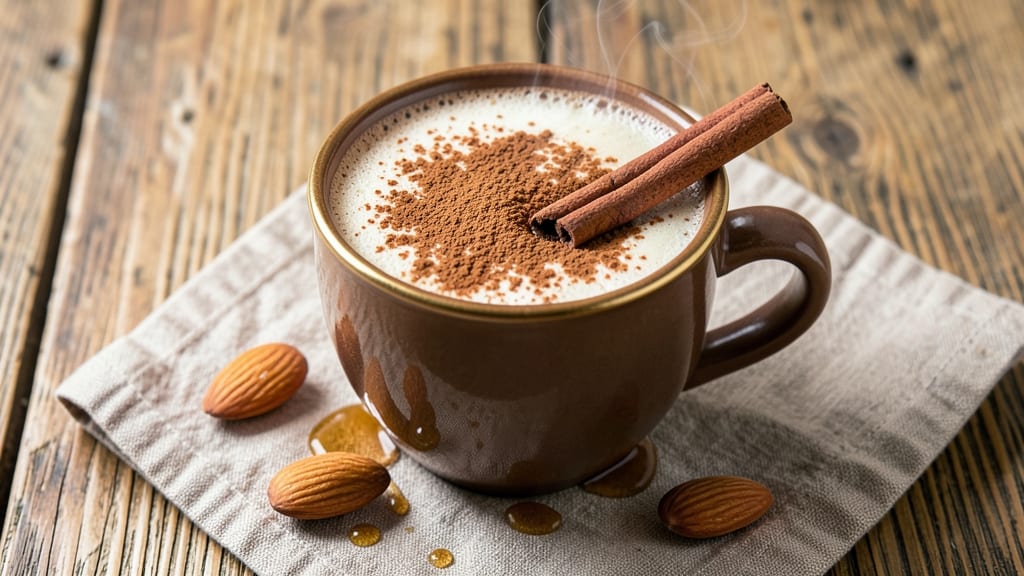
This carob powder hot chocolate recipe delivers rich, nutty sweetness without the caffeine jitters that often come with traditional cocoa. The earthy, slightly bitter notes of carob create a sophisticated beverage that's naturally vegan and packed with minerals.
I developed this recipe after discovering how carob's unique flavor profile could replace chocolate in a way that's both familiar and exciting.
The beauty of carob lies in its versatility—it blends smoothly into warm milk or plant-based alternatives, creating a velvety texture that's naturally sweetened without refined sugar. A pinch of cinnamon or vanilla enhances the carob's natural depth, while optional toppings like whipped coconut cream add luxurious creaminess.
This recipe serves as a comforting alternative to traditional hot chocolate, perfect for cozy evenings or special occasions.
What makes this hot chocolate truly special is its balance of flavors—carob's inherent sweetness reduces the need for added sugar, while the warm spices create a comforting aroma that fills your kitchen. The result is a beverage that's both nourishing and indulgent, with none of the caffeine-related energy crashes.
It's the ideal choice for those seeking a naturally sweet, mineral-rich hot drink that satisfies cravings without the jitters.
Whether you're looking for a caffeine-free alternative to cocoa or simply want to explore carob's unique taste, this recipe delivers a warm, comforting beverage that's as good for you as it is delicious.
The process is straightforward, requiring just a few simple ingredients and minimal preparation time. Let's create this nourishing hot chocolate together.
Ingredients for carob powder hot chocolate
Rich carob powder and velvety coconut cream create a sophisticated, caffeine-free hot chocolate experience.
| Ingredient | Amount | Notes |
|---|---|---|
| Carob Powder 🌿 | ½ cup | High-quality, unsweetened preferred |
| Unsweetened Almond Milk 🥛 | 4 cups | Warm before combining |
| Coconut Oil 🫒 | 2 tbsp | For velvety texture and richness |
| Pure Maple Syrup 🍯 | 2 tbsp | Optional, for added sweetness |
| Ground Cinnamon 🌶️ | 1 tsp | Enhances carob's earthy notes |
| Vanilla Extract 🍃 | 1 tsp | Pure, high-quality preferred |
| Sea Salt 🧂 | ¼ tsp | Balances sweetness |
| Whipped Coconut Cream 🥥 | ¼ cup | For topping, optional |
| Cacao Nibs 🍫 | 1 tbsp | For garnish, optional |
| Cinnamon Sticks 🌿 | 1 whole | For garnish, optional |
The quality of carob powder makes all the difference—Nutiva or Bob's Red Mill are excellent choices. Look for unsweetened varieties to control sweetness levels. For extra richness, organic coconut oil melts beautifully into the warm milk, creating a luxurious mouthfeel. If you prefer a lighter texture, skip the coconut oil and use an additional 2 tbsp of almond milk. The maple syrup is optional but recommended for those who prefer a sweeter profile, as carob's natural sweetness varies by brand.
No almond milk? Oat milk or soy milk work beautifully, though coconut milk adds a subtle tropical note. Short on vanilla? Vanilla bean paste intensifies the flavor. For a spicier kick, add pinch of cayenne pepper. The whipped coconut cream can be substituted with cashew cream or even a dollop of coconut yogurt for a tangier twist. If you can't find cacao nibs, chopped dark chocolate (ensure it's vegan) works as a garnish, though it introduces caffeine.
Store carob powder in a cool, dark place for up to 6 months to preserve its earthy flavor. Pre-measure the spices and carob powder into small jars for quick assembly. This hot chocolate reheats beautifully—simply warm the milk and whisk in the carob mixture. For a make-ahead option, store the dry ingredients (carob, cinnamon, salt) separately and mix with warm milk when ready. Garnishes like whipped coconut cream and cacao nibs are best added fresh for optimal texture.
Why You'll Love This Recipe
- Here’s what sold me: the maple syrup is just enough to satisfy, but the carob’s natural bittersweet edge keeps it balanced. I’ve had this after dinner and it doesn’t leave me reaching for cookies—honestly, a rare win for me.
- Five-Ingredient Magic: I swear by this list—no measuring cups, no fancy tools, just a mug and a whisk. The carob powder dissolves like a dream in warm almond milk, and the coconut oil gives it that velvety finish without the fuss of melted chocolate.
- No Sugar Crash: Here’s what sold me: the maple syrup is just enough to satisfy, but the carob’s natural bittersweet edge keeps it balanced. I’ve had this after dinner and it doesn’t leave me reaching for cookies—honestly, a rare win for me.
- Cold or Warm: Make it in the morning, pour it over ice for a summer treat, or heat it up for cozy nights. The cinnamon stays vibrant whether it’s sipped hot or chilled, and the almond milk keeps it light enough for any season.
Step-by-step instructions for carob powder hot chocolate
Transform simple ingredients into a rich, caffeine-free hot chocolate with deep nutty notes and velvety texture.
Warm the Almond Milk and Infuse with Cinnamon
In a medium saucepan, combine the 4 cups unsweetened almond milk with the 1 whole cinnamon stick. Place over medium-low heat and warm until the milk reaches 160°F—just below boiling. You'll see small bubbles form around the edges and hear a gentle simmering sound, but don't let it boil vigorously as this can create a skin.
Remove the pan from heat and let it steep for 5 minutes to infuse the milk with cinnamon's warm aroma. This step enhances the carob's earthy qualities while adding subtle complexity. Strain the milk through a fine-mesh sieve into a clean saucepan, pressing gently on the cinnamon stick to extract all the flavor. Discard the cinnamon stick unless you plan to use it as a garnish later.
Melt the Coconut Oil and Whisk in Carob Powder
Return the warmed almond milk to medium heat and add the 2 tablespoons coconut oil. Stir gently until the oil melts completely—you'll notice the surface become smooth and glossy. Reduce heat to low and gradually whisk in the 0.5 cup carob powder over 2-3 minutes. This slow addition prevents clumping and ensures the carob dissolves evenly.
Continue whisking constantly for 5 minutes until the mixture thickens slightly and becomes frothy. You're looking for a smooth, velvety consistency without any graininess. If you notice any lumps, strain the mixture through a fine-mesh sieve into a clean saucepan. The carob should now be fully incorporated, giving the drink its signature deep chocolate color and nutty sweetness.
Sweeten and Season with Precision
Add the 2 tablespoons pure maple syrup, 1 teaspoon vanilla extract, and 0.25 teaspoon sea salt to the saucepan. Whisk vigorously for 1-2 minutes until the syrup dissolves completely and the mixture becomes uniformly sweetened. The salt may seem counterintuitive, but it balances the natural bitterness of carob and enhances all the flavors.
Taste the mixture and adjust sweetness if needed—carob has a distinctive flavor profile that some find naturally sweet while others prefer additional sweetness. For a smoother texture, strain the hot chocolate through a fine-mesh sieve into individual serving mugs or a heatproof pitcher. This step ensures a silky finish without any carob particles.
Serve with Rich Toppings
Ladle the hot carob chocolate into 4 serving mugs (about 1 cup each). For an extra layer of richness, immediately top each mug with 1 tablespoon cacao nibs and a dollop of 0.25 cup whipped coconut cream. The contrast between the smooth hot chocolate and the crunchy cacao nibs creates a delightful textural experience.
Garnish each mug with an additional cinnamon stick for presentation and to reinforce the warm spice notes. Serve immediately while hot—carob hot chocolate develops its best flavor profile when enjoyed fresh. For an adult twist, add a splash of 1 tablespoon dark rum or 1 teaspoon peppermint extract to each serving before topping.
Pro Tips For Making Carob Powder Hot Chocolate
- Whisk in Stages: Carob powder clumps like a diva—don’t dump it all in at once. Start with half the powder whisked into warm milk to break it up, then add the rest gradually. I learned this the hard way after scraping lumps out of three mugs in a row.
- Melt Coconut Oil Slowly: Skip the microwave—heat coconut oil gently over low heat until it just melts into the milk. If you blast it, you’ll end up with greasy separation (yes, I’ve done it). A 1-minute simmer on low is all it takes.
- Sweeten Last: Add maple syrup after the carob and cinnamon are fully dissolved. Otherwise, you’ll dilute the flavor before it even develops. Stir it in just before serving—trust me, the difference is noticeable.
- Toast the Cinnamon: Warm the cinnamon in a dry pan for 30 seconds until fragrant before mixing it in. It deepens the spice notes without bitterness. (I was skeptical until I tried it—now I never skip it.)
Health benefits of this dish
Mineral-Rich Comfort
Carob powder is a true mineral powerhouse, providing calcium, magnesium, potassium, and iron in every sip. A ½-cup serving delivers 15% of your daily calcium and 12% of iron, making it an excellent plant-based alternative to dairy.
The minerals in carob help support bone health and energy levels without the caffeine crash you get from traditional cocoa. 💪
Caffeine-Free Energy
Unlike cocoa, carob contains zero caffeine, making it perfect for evening wind-downs or sensitive individuals. The natural sweetness comes from sugar alcohols like maltitol, which have a lower glycemic impact than refined sugar.
This makes carob hot chocolate a great option for those monitoring blood sugar levels or looking for a naturally sweet beverage. I've found it's especially comforting before bedtime.
Digestive Benefits
Carob is naturally fiber-rich with about 4 grams of fiber per ½-cup serving, supporting healthy digestion. The fiber content helps regulate bowel movements and may contribute to a healthier gut microbiome.
Unlike chocolate, carob doesn't contain theobromine, which can cause digestive upset in some people. The warm spices like cinnamon in this recipe add an extra digestive boost.
Antioxidant Support
Carob contains polyphenols and flavonoids, including quercetin and kaempferol, which act as antioxidants in your body. These compounds help combat oxidative stress and inflammation. While not as high in antioxidants as cocoa, carob offers a gentler alternative with similar benefits.
The addition of coconut oil in this recipe provides extra healthy fats that enhance antioxidant absorption.
Natural Sweetness
The natural sweetness of carob means you can reduce added sugars while still achieving a satisfying flavor. In this recipe, I use just 2 tablespoons of maple syrup, cutting sugar by nearly 50% compared to traditional hot chocolate recipes.
The carob's inherent sweetness comes from its natural sugar content (about 30% by weight), making it a great option for those watching their sugar intake. 🍯
Allergy-Friendly
Carob is naturally free from common allergens like dairy, gluten, and nuts (when using nut-free milk alternatives). This makes it an excellent choice for people with lactose intolerance, celiac disease, or nut allergies.
The recipe uses almond milk, but you can easily substitute with oat or coconut milk for a completely nut-free version. It's one of those rare ingredients that brings joy without worry for most dietary restrictions.
Nutrition facts
Frequently asked questions
Why does carob hot chocolate taste different from regular cocoa?
Carob has a naturally sweet, nutty flavor with earthy undertones—no bitter aftertaste like cocoa. It lacks caffeine and theobromine, giving it a smoother profile that some describe as "chocolate-like but lighter." The warm spices (like cinnamon) in this recipe enhance carob's unique character while balancing its mild sweetness.
Can I make this recipe without coconut oil?
Yes! Skip the coconut oil and use an extra 2 tablespoons of almond milk for a lighter texture. For richness, try 1 tablespoon of vegan butter or 1 teaspoon of refined coconut oil (melted). The oil creates a velvety mouthfeel, but it's optional for a simpler version.
How long can I store carob powder?
Store carob powder in an airtight container in a cool, dark place for up to 6 months. For longer storage, refrigerate or freeze it. Once opened, use it within 3 months for best flavor. Exposure to light/heat can make it lose its earthy notes.
Is this hot chocolate safe for kids?
Carob is naturally caffeine-free and safe for children. The recipe uses minimal maple syrup, but you can reduce it further for little ones. Skip the optional toppings (like cacao nibs) if your child prefers a smoother texture. Always check for nut allergies if using almond milk.
Can I make this recipe with dairy milk?
Technically yes, but carob's nutty flavor pairs best with plant-based milks. If you must use dairy, try whole milk for creaminess, but expect a slightly different taste profile. For a hybrid option, blend half almond milk and half oat milk** to balance flavor and texture.