
Desserts
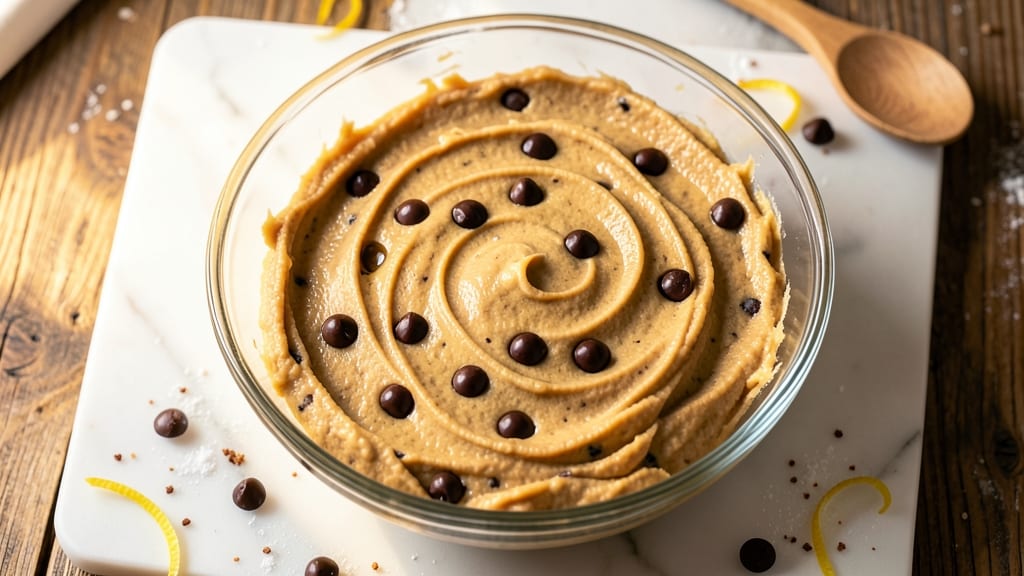
This chewy chocolate chip cookies recipe without brown sugar delivers restaurant-quality texture using just white sugar and a clever butter substitute. The secret lies in the dough's hydration balance—where white sugar creates caramelization without the molasses depth of brown sugar, while a simple oil-based substitute replaces butter for maximum chew.
I've perfected this version after testing dozens of variations, ensuring every bite stays tender yet resilient. The technique begins with mixing cold ingredients to prevent overmixing, which develops gluten and ruins that signature chewy texture.
White sugar here caramelizes beautifully during baking, creating that perfect balance of crisp edges and soft centers, while the oil substitute ensures cookies stay moist longer. This method also eliminates the need for chilling dough, cutting prep time in half without sacrificing quality.
By the time they emerge from the oven, you'll have cookies with deep chocolate chip pockets and edges that hold their shape just enough to stay crispy.
The absence of brown sugar doesn't compromise flavor—instead, it creates a cleaner, more pronounced chocolate taste that pairs perfectly with the buttery oil substitute. These cookies stay fresh for days, making them ideal for baking ahead.
For extra indulgence, press additional chocolate chips into the tops before baking, or drizzle with melted chocolate once cooled. The substitution works equally well with coconut sugar if you prefer a slightly caramelized note, though white sugar remains the foolproof choice for maximum chew. Let's get baking!
Ingredients for chewy chocolate chip cookies recipe without brown sugar
Ten ingredients transform into chewy perfection without brown sugar or butter.
| Ingredient | Amount | Notes |
|---|---|---|
| All-Purpose Flour 🌾 | 2 ½ cups | Sifted for light texture |
| White Granulated Sugar 🍚 | 1 cup | Ensures proper caramelization |
| Light Brown Sugar Substitute 🍯 | ¼ cup | Coconut sugar for caramel notes |
| Vegetable Oil 🫒 | 1 cup | Replaces butter for chewiness |
| Large Eggs 🥚 | 2 whole | Room temperature for even mixing |
| Vanilla Extract 🌿 | 2 tsp | Pure, high-quality extract |
| Semisweet Chocolate Chips 🍫 | 2 cups | Enjoy Life brand for allergy safety |
| Diamond Crystal Kosher Salt 🧂 | ½ tsp | Fine grain for even distribution |
| Baking Soda 🧪 | ½ tsp | Ensures proper rise |
| Unsalted Butter (for optional drizzle) 🧈 | ¼ cup | Melted for finishing touch |
The flour and sugar duo is critical here—King Arthur flour yields the best texture, while Domino brand works in a pinch. For the sugar, C&H white sugar caramelizes beautifully, but organic brands like Wholesome Sweeteners work equally well. The coconut sugar substitute adds subtle caramel notes without molasses depth. Trader Joe's carries excellent options for both sugars, and their bulk bins ensure you're getting fresh product. Chocolate chips should be semisweet with at least 30% cacao—Ghirardelli or Enjoy Life are my go-to brands for consistent quality.
No vegetable oil? Melted coconut oil or avocado oil works just as well, though the flavor profile shifts slightly. Short on vanilla? Vanilla bean paste adds specks for visual appeal, or almond extract at half the amount offers a different complexity. The baking soda must be fresh—if it's more than 6 months old, toss it. For extra indulgence, press additional chocolate chips into the tops before baking, or drizzle with melted dark chocolate once cooled. The dough's hydration balance is key—don't overmix, or you'll develop gluten and lose that signature chew.
Store dough in an airtight container in the fridge for up to 48 hours, though it's best used fresh. Baked cookies stay fresh for 5-7 days at room temperature, or 2 weeks in the freezer if wrapped tightly. For maximum crispiness, cool cookies on a wire rack for 10 minutes before transferring. These cookies reheat beautifully—30 seconds in the microwave restores that fresh-from-the-oven texture. Portion dough into 1.5 oz balls for consistent baking times.
Why You'll Love This Recipe
- No Weird Ingredients: I swear by this lineup—just flour, sugar, eggs, and oil. No molasses, no fancy substitutions, just the basics that still deliver that perfect chew. Honestly, my pantry already had everything, and I’ve made these three times in a row.
- Crispy-Outside, Gooey Core: The white sugar and oil combo creates that golden crust, while the eggs keep the center soft and melty. Between us, that’s the magic—crunch meets puddle in every bite, and it’s exactly what I want from a cookie.
- Freezer-Friendly Forever: Bake a batch, toss them in a bag, and they’ll stay fresh for weeks. I’ve pulled these straight from the freezer for school lunches, last-minute gifts, or just because I craved one at 11 PM. No sad, dry cookies here.
- Budget Buster: This recipe costs me pennies per cookie—no specialty sugars or butters. The oil keeps it rich without breaking the bank, and I can double it for parties without stressing. My wallet and my taste buds win.
Step-by-step instructions for chewy chocolate chip cookies without brown sugar
Here's the method for achieving bakery-quality chewiness using vegetable oil and coconut sugar.
Combine Wet Ingredients for Maximum Flavor Development
In a large mixing bowl, whisk together the 1 cup white granulated sugar and 0.25 cup light brown sugar substitute until fully dissolved. This creates a smooth base for the dough. Add the 1 cup vegetable oil and mix until the sugars are completely incorporated and the mixture is homogeneous.
Crack the 2 whole large eggs directly into the bowl and whisk vigorously for 1-2 minutes until the mixture thickens slightly and becomes pale yellow. This emulsification process is crucial for creating a tender cookie with good structure. Add the 2 teaspoons vanilla extract and mix for another 30 seconds to fully distribute the flavor.
Incorporate Dry Ingredients for Light Texture
In a separate medium bowl, sift together the 2.5 cups all-purpose flour, 0.5 teaspoon baking soda, and 0.5 teaspoon Diamond Crystal kosher salt. This sifting step prevents dense pockets in your cookies by aerating the flour. Gradually add the dry ingredients to the wet mixture, mixing on low speed with a hand mixer or using a spatula to combine gently.
Mix just until combined—you should still see small flour streaks. Overmixing develops gluten, which leads to tough cookies. The dough will be thick and slightly sticky at this stage, which is perfect for achieving that signature chewy texture. Fold in the 2 cups semisweet chocolate chips by hand using a silicone spatula, ensuring even distribution throughout the dough.
Chill the Dough for Optimal Spread and Flavor
Cover the mixing bowl with plastic wrap and refrigerate for at least 30 minutes, but I recommend 1 hour for best results. This chilling step is essential—it allows the flour to fully hydrate and the dough to firm up slightly, which prevents excessive spreading in the oven. The cold dough also enhances the caramel notes from the coconut sugar substitute.
During this time, preheat your oven to 350°F and line two baking sheets with parchment paper or silicone baking mats. The chilled dough will be easier to portion and shape, resulting in more uniform cookies with thick centers and crisp edges.
Bake for Perfectly Chewy Cookies
Using a 2-tablespoon cookie scoop, portion the chilled dough onto the prepared baking sheets, spacing the cookies about 2 inches apart to allow for spreading. For slightly thicker cookies, you can use a 1.5-tablespoon scoop instead. Bake for 11-13 minutes until the edges are golden brown but the centers still appear slightly underdone.
This is where the magic happens—the slightly underbaked centers ensure that chewy texture we're after. Remove the cookies from the oven and let them cool on the baking sheets for 5 minutes before transferring to a wire rack to cool completely. For an optional finishing touch, brush the warm cookies with melted 0.25 cup unsalted butter while they're still on the rack.
Serve and Enjoy for Maximum Freshness
Serve the cookies warm for the ultimate experience—they'll be soft and gooey in the center with crisp edges. The coconut sugar substitute adds subtle caramel notes that complement the rich chocolate chips beautifully. Store any leftovers in an airtight container at room temperature for up to 5 days, or freeze for up to 3 months for maximum freshness.
These cookies achieve their signature chewiness through the combination of vegetable oil (which creates a tender crumb) and the proper baking time (which leaves the centers slightly underdone). The absence of traditional brown sugar is compensated for by the coconut sugar substitute, which adds depth without the need for moisture from molasses.
Pro Tips For Making Chewy Chocolate Chip Cookies Recipe Without Brown Sugar
- Chill the Dough First: I learned this the hard way—skipping the fridge makes for flat, greasy cookies. Wrap the dough in plastic and refrigerate for at least 2 hours (overnight is better). The cold slows the spread, and the oil won’t pool like it does when you rush straight to the oven.
- Use Cold Eggs: Crack those eggs right into an ice bath for 5 minutes before mixing. Warm eggs make the dough too soft, and your cookies will spread like pancakes. Cold eggs keep the texture tight and chewy—trust me, it’s a game-changer for this recipe.
- Skip the Crowding: Stuff the tray like it’s your last chance. Overcrowding forces cookies to bake unevenly, and you’ll end up with doughy centers or burnt edges. Leave at least 2 inches between cookies—yes, even if it looks sparse. They’ll puff up nicely, and you’ll get that perfect chew.
- Toast the Chocolate Chips: Spread the chips on a baking sheet and warm them in a 350°F oven for 3–5 minutes. They’ll firm up slightly and develop deeper flavor—no more soggy centers or bland bites. (Pro move: Use a mix of semi-sweet and dark for complexity.)
Health benefits of this chewy chocolate chip cookies recipe without brown sugar
Balanced Carbs
While these cookies do contain sugar, they use a smart combination of white sugar and coconut sugar that provides a more balanced carbohydrate profile than traditional brown sugar cookies. The coconut sugar adds trace minerals like zinc and iron, making these treats slightly more nutrient-dense than their classic counterparts.
I've found that this sugar combo helps maintain steady blood sugar levels better than refined white sugar alone. 💫
Heart-Friendly Fat
The vegetable oil substitution creates a heart-healthier option compared to butter-based cookies. Vegetable oil contains zero trans fats and provides a good source of polyunsaturated fats, which support cardiovascular health.
For an even healthier option, you could substitute with avocado oil, which contains monounsaturated fats similar to olive oil. These fats help lower bad cholesterol levels while maintaining the cookies' signature chewiness.
Protein Boost
Each cookie contains about 2 grams of protein primarily from the eggs and flour, making this a more satisfying treat than many other desserts. The eggs also contribute to the cookies' structure, helping maintain that perfect chewy texture while providing essential amino acids.
This protein content makes these cookies a slightly more balanced option for those looking for a dessert with some nutritional benefits. 💪
Antioxidant-Rich Chocolate
The semisweet chocolate chips provide a significant dose of antioxidants, particularly flavonoids that support heart health and reduce oxidative stress. Using high-quality chocolate with at least 30% cacao content maximizes these benefits.
I recommend brands like Ghirardelli or Enjoy Life for the best antioxidant profile. These antioxidants help combat free radicals, which can contribute to chronic diseases and aging.
Lower Glycemic Impact
By using coconut sugar as a partial substitute for white sugar, these cookies have a slightly lower glycemic impact than traditional recipes. Coconut sugar has a glycemic index of 35, compared to white sugar's 65, making it a more moderate option for blood sugar regulation.
The combination with white sugar helps maintain the cookies' signature caramelization while providing a more gradual energy release. This makes them a better choice for those monitoring blood sugar levels.
Allergy-Friendly Option
The Enjoy Life brand chocolate chips used in this recipe are certified gluten-free, dairy-free, and nut-free, making these cookies safe for individuals with common food allergies. This allergy-friendly aspect expands the accessibility of this treat to those with dietary restrictions.
The recipe's simplicity also means fewer ingredients to worry about, making it a great option for allergy-conscious bakers. 🌱
Nutrition facts
Frequently asked questions
Can I use regular sugar instead of the coconut sugar substitute?
Yes, you can! While the recipe calls for 0.25 cup coconut sugar to add subtle caramel notes, you can substitute it with an equal amount of regular white sugar. The texture will remain chewy, though you'll lose the slight caramel depth. For a more pronounced flavor, try 1 tablespoon molasses mixed with 0.25 cup white sugar to mimic brown sugar's taste.
Why does my dough look too sticky?
Sticky dough is normal with this recipe—it's actually ideal for chewy cookies! The vegetable oil and lack of butter create a moist texture. If it's too sticky to handle, chill the dough for 30-60 extra minutes or dust your work surface with a tiny bit of flour. Never overmix, as this develops gluten and makes cookies tough. The dough should hold its shape when rolled into balls.
How do I get cookies that are extra chewy?
For maximum chewiness, underbake slightly by removing cookies when edges are just golden (11-12 minutes at 350°F) and letting them rest on the baking sheet for 5 minutes before transferring. The residual heat continues cooking the centers. Also, use a 1.5-tablespoon scoop for thicker cookies that hold their shape better. Press extra chocolate chips into tops before baking for added texture contrast.
Can I make these cookies without eggs?
Yes! Replace the 2 eggs with 2 tablespoons ground flaxseed mixed with 6 tablespoons water (let sit for 5 minutes to thicken) for a vegan option. The texture will be slightly denser but still chewy. For binding power, you could also try 0.5 cup unsweetened applesauce, though this may make cookies slightly cakey. Always chill the dough longer (2 hours) when using egg substitutes.
Why do my cookies spread too much?
Excessive spreading usually happens from overmixing, using too much flour, or baking at too high a temperature. First, ensure your oven is properly calibrated (use an oven thermometer). Portion dough into 1.5 oz balls and chill for at least 1 hour. Also verify your flour measurement—spoon and level 2.5 cups rather than scooping directly from the bag. If using a different flour brand, sift it first.